Manduka PROlite vs Lululemon The (Big) Mat: Which One Should You Buy?
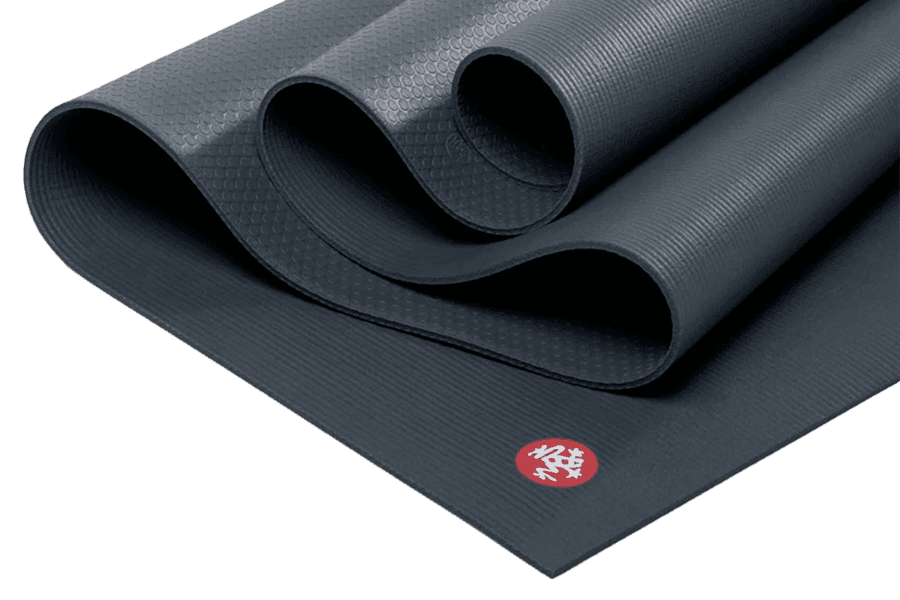
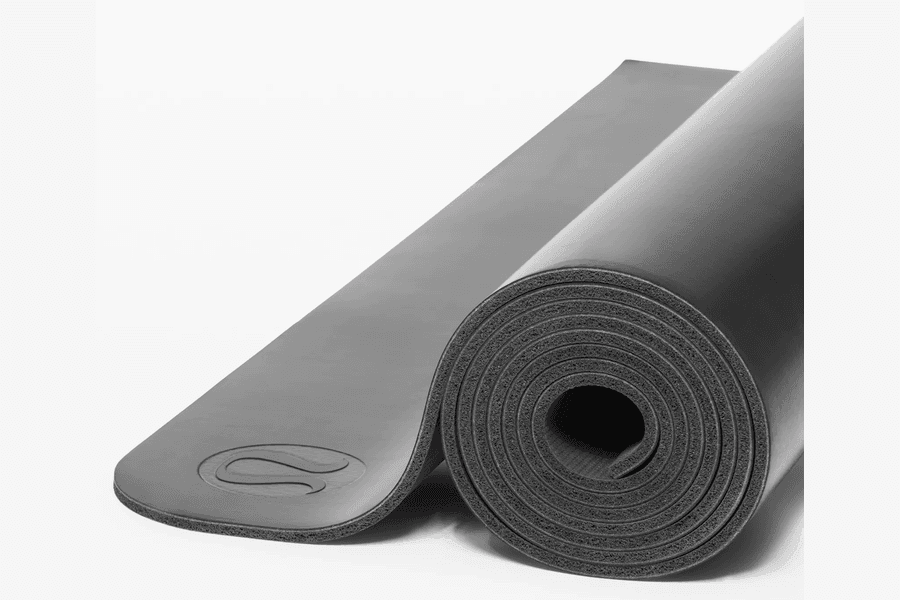
This is the narrowest premium mat we cover against the widest. The Manduka PROlite is 71 by 24 inches of dense German PVC that weighs 4.6 pounds and lasts about a decade. Lululemon's (Big) Mat is 84 by 28 inches of natural rubber under an absorbent polyurethane top, at 7.1 pounds. Sixteen dollars separate them, and roughly 40% more floor.
As an Amazon Associate, we earn from qualifying purchases made through links on this page. How this works
The quick answer
The (Big) Mat gives you 13 more inches of length and 4 more of width, grips from the first class, and handles sweat that the PROlite simply cannot. What it costs is 2.5 extra pounds, a roll too long for most straps, a surface that stains, black as your only color, and a warranty with no stated term.
If you carry your mat, the PROlite wins on weight alone and will still be here in ten years. If your mat lives in one room and you have ever run out of it, the (Big) Mat is the one that fixes that.
Get the Manduka PROlite if...
- You carry your mat; 4.6 pounds against 7.1 is the difference between casual and planned
- You want a mat measured in decades rather than years
- You have a latex allergy, which rules the Lululemon out
- You want a choice of colors and an easy Amazon return
Get The (Big) Mat if...
- You are tall or broad, and 71 by 24 inches has never been enough
- You want grip on day one instead of a month of break-in
- You sweat, and want a top layer that soaks it up rather than beading it
- The mat stays home, where 84 by 28 inches costs you nothing
Side by side
Price
The PROlite lists for $16 less.
$112
List price · check price at Amazon
$128
List price · check price at lululemon.com
Thickness
The Big Mat is 6% thicker.
4.7 mm0.19″
5 mm0.2″
Weight
The PROlite is 2.5 lbs lighter.
4.6 lbs2.1 kg
7.1 lbs3.2 kg
Size
The Big Mat is 13″ longer; the Big Mat is 4″ wider.
Same on both
- Firm support rather than plush cushion
- Wipe-clean care; neither belongs in a washing machine
- Both are sold at list price more often than not
- Both stay flat on the floor without curling at the corners
Full specs
Dimensions
Materials & build
Buying
The narrowest premium mat against the widest
The PROlite is 71″ × 24″, built to be the Manduka PRO you can actually carry: dense German PVC at 4.6 pounds, backed by a guarantee written in years. The Lululemon (Big) Mat is 84″ × 28″, the largest thing either brand sells, with an absorbent polyurethane skin over natural rubber.
Sixteen dollars separate them and about 40% more floor. That makes this less a comparison of quality than of what you want a mat to do: travel light and last a decade, or take over a corner of the room and work perfectly from day one.
What 84 by 28 actually changes
Thirteen more inches of length and four more of width isn’t a spec adjustment, it’s a different practice. A six-foot-four practitioner lies flat in savasana with margin. Hands stop creeping onto floorboards in down dog. Wide-legged standing poses land on rubber rather than straddling the edge.
The width does more of that work than people expect. Twenty-four inches is the old standard and the first dimension you run out of, especially with broad shoulders. If you have ever laid two mats side by side to stop stepping onto hardwood, the Lululemon is the mat built for you and the PROlite is the mat you were compensating for.
Weight: the argument in the other direction
The PROlite weighs 4.6 pounds. The (Big) Mat weighs about 7.1, and rolls into an 84 inch tube that overwhelms most mat straps and sticks out of standard bags. Two and a half pounds sounds manageable until it’s on a shoulder for a fifteen-minute walk several times a week.
Studio etiquette is the other half of this. An oversized mat takes up meaningfully more than one spot in a packed class, and in a full room that margin belongs to somebody else. The PROlite exists precisely because Manduka wanted a version of a heavy mat that leaves the house, and it does that job better than almost anything.
Grip: a month of patience against none
A new PROlite slides. It shares its surface with the PRO and it shares the PRO’s opening problem: the traction shows up after a few weeks of regular practice rather than out of the wrapper. Manduka dropped its old sea-salt scrub advice and now says the surface sorts itself out through use.
The (Big) Mat asks for nothing. Its polyurethane face grips immediately and gets tackier as your palms dampen, because it pulls moisture in rather than letting it bead. Flip it and the textured rubber underside gives you a drier second surface.
How far that goes in a heated room is worth qualifying. GearLab lists “sticky when wet” among the strengths of the standard Mat that shares this build, and in the same 2026 roundup its side-by-side wet grip scoring came in at 4.5 out of 10. Read that as: better than the PROlite, which absorbs nothing at all, and still short of a mat built for heat.
Cushion and feel
The PROlite is 4.7 mm of compressed PVC: firm, flat, and steadier under a standing balance than the number suggests, because density does more than height. The (Big) Mat is 5 mm of rubber under a softer top layer, and GearLab gave this build a perfect 10 for comfort and support.
On wood or carpet the difference is small. On tile or concrete the Lululemon is kinder to knees, and it also gives you the option of practicing on the rubber side instead. Neither is what anyone would call plush.
Durability: a decade against four to six years
This is where the PROlite earns its place. Dense PVC barely wears, and Manduka’s lifetime guarantee spells out what that means: roughly ten years of regular use, one replacement, and a receipt from a seller it recognizes, which on Amazon means the first-party listing. Mats in this family stay in studios long after anyone remembers buying them.
The Lululemon wears from the top down. Its grip fades gradually, which GearLab lists among this construction’s drawbacks, putting the realistic lifespan at four to six years, and the absorbent face stains where hands and feet land. The mat only comes in black, which hides that better than a pale colorway would. Lululemon’s Quality Promise covers gear that doesn’t perform as designed but names no term.
Materials and latex
The PROlite is PVC made in Germany and certified to OEKO-TEX Standard 100, with no natural rubber in it. That settles the page outright for anyone with a latex allergy, since the (Big) Mat sits on a natural rubber base and tree rubber carries trace latex proteins.
On environmental grounds the Lululemon has the better raw material, with FSC-certified rubber in the base, and the PROlite has the better lifespan. One mat that runs a decade is its own argument, even when the material isn’t the one you’d have chosen.
Colors and where you can buy
The PROlite comes in around 13 colorways and sells through manduka.com and Amazon, with discounts often enough to be worth checking and returns that take no conversation.
The (Big) Mat comes in black. Lululemon keeps sales inside its own channel, so it comes from lululemon.com or a store. Nothing about that channel discounts, and the marketplace listings under its name are resold stock. If you want the same surface in ten colors and a normal size, the standard Mat is $10 cheaper than the oversized one.
Bottom line
Get the PROlite if the mat travels, if you want to buy once and stop thinking about it, or if a latex allergy decides it for you. Budget a month before you judge the grip and keep a towel handy in warm rooms.
Get the (Big) Mat if size is the problem you’re actually solving. It grips the day it arrives, it’s the largest mainstream mat sold, and it costs $16 more than a mat a third its size. Accept the staining, the single color, and a lifespan measured in years. For the same argument with a heavier, longer-lived Manduka, see our PRO vs the (Big) Mat comparison.
Manduka PROlite
List price $112
Lululemon The (Big) Mat 5mm
List price $128
Frequently Asked Questions
- How much bigger is the (Big) Mat, really?
- Substantially. The PROlite is 71 by 24 inches, the narrower of the two standard widths. The (Big) Mat is 84 by 28, which works out to around 40% more mat under you. In practice that means a six-foot-four practitioner lies flat in savasana with room left, hands stop creeping onto floorboards in down dog, and wide-legged standing poses land on rubber. The width matters more than most people expect; 24 inches is where hands and feet run out first.
- Does the PROlite need breaking in?
- Yes, and it is the standard complaint. It shares its surface with the Manduka PRO, so a new one slides, and the traction shows up after a few weeks of regular practice. Manduka used to recommend a sea-salt scrub to speed it up and no longer does, saying the surface resolves through use. The Lululemon works properly the day it arrives, which is a real advantage if you want a mat that performs this week.
- Which one handles sweat?
- The Lululemon, though not brilliantly. Its polyurethane face absorbs moisture rather than letting it pool, and GearLab lists 'sticky when wet' among the strengths of the standard Mat that shares this build. In the same roundup its side-by-side wet-grip scoring came in at 4.5 out of 10, so a genuinely heated class still wants a towel. The PROlite absorbs nothing at all, which is why Manduka sells towels cut to its dimensions.
- How long does each last?
- Very different clocks. Dense PVC barely wears, and Manduka's lifetime guarantee spells out roughly ten years of regular use plus one replacement, from a seller it recognizes. The Lululemon's grippy top fades with use, which GearLab lists among the drawbacks of this construction, putting the realistic lifespan at four to six years. It also stains where hands and feet land, though the mat only comes in black, which hides it.
- Can I carry the (Big) Mat to class?
- You can, but you will notice. At around 7 pounds and 84 inches it rolls into a long, fat tube that overwhelms most mat straps and sticks out of standard bags. There is also studio etiquette to think about, since a mat that size takes up meaningfully more than one spot in a packed room. The PROlite exists precisely because Manduka wanted a carryable version of a heavy mat, and it does that job well.
- Where do you buy them?
- The PROlite sells through manduka.com and Amazon, discounts fairly often, and returns without a conversation; Manduka's guarantee recognizes Amazon purchases when the listing is sold and shipped by Amazon itself. Lululemon keeps everything in its own channel, so the (Big) Mat comes from lululemon.com or a store, and anything under its name on a marketplace is resold stock at a markup with no coverage.
Related comparisons
- Manduka PROlite vs JadeYoga Harmony 2.0 68"
- Manduka PROlite vs JadeYoga Harmony 74"
- Manduka GRP Adapt 2.0 vs Lululemon The (Big) Mat 5mm
- Manduka eKO Long vs Lululemon The (Big) Mat 5mm
- Manduka PROlite vs Lululemon The Mat 5mm
- Manduka GRP Adapt 2.0 Long vs Lululemon The (Big) Mat 5mm
- Manduka PROlite vs JadeYoga Harmony 68"
- Manduka eKO vs Lululemon The (Big) Mat 5mm
- Manduka PROlite vs b, halfmoon B Mat Everyday 4mm