Manduka eKO Long vs Manduka X: Which One Should You Buy?
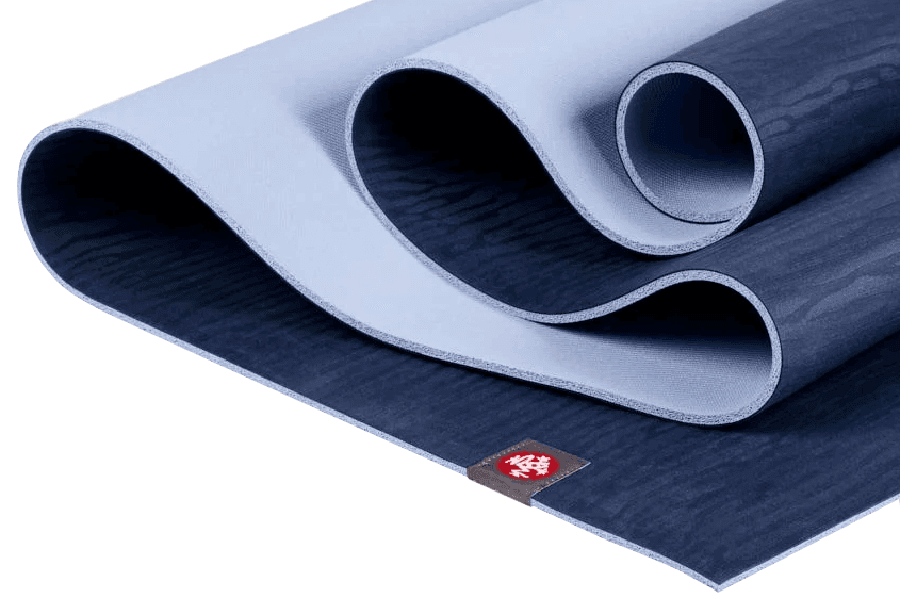
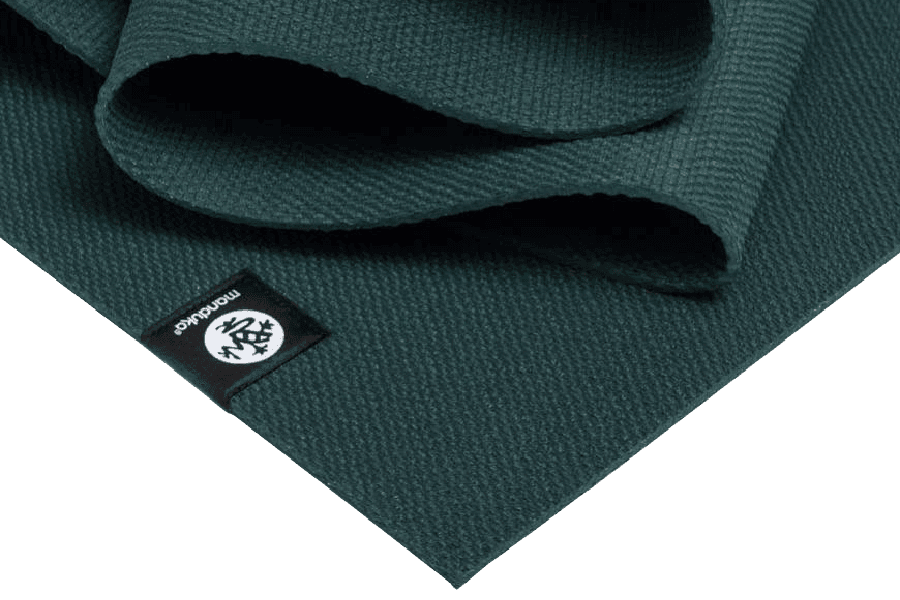
The eKO Long and Manduka X are both 5 mm closed-cell mats, but they suit different bodies and routines. The eKO is a 79 by 26 inch natural-rubber yoga mat that weighs 8 pounds. The X is a 71 by 24 inch latex-free TPE mat that weighs 3.4 pounds and is designed for mixed fitness.
As an Amazon Associate, we earn from qualifying purchases made through links on this page. How this works
The quick answer
The eKO Long is the stronger yoga mat for tall practitioners. It supplies eight extra inches of length, two extra inches of width, and more convincing dry traction from its natural-rubber surface.
Choose the Manduka X if 71 inches fits and the mat will handle yoga, strength work, shoes, or outdoor sessions. It costs $52 less, weighs 4.6 pounds less, and is latex-free.
Get the eKO Long if...
- You need 79 inches of length
- You want a 26-inch-wide surface
- You prefer natural-rubber yoga grip
- The mat will mostly stay in one place
Get the Manduka X if...
- Seventy-one inches fits your body
- You mix yoga with strength training
- You need a latex-free mat
- You would rather keep $52
Side by side
Price
The X lists for $52 less.
$124
List price · check price at Amazon
$72
List price · check price at Amazon
Thickness
Identical thickness.
5 mm0.2″
5 mm0.2″
Weight
The X is 4.6 lbs lighter.
8 lbs3.6 kg
3.4 lbs1.5 kg
Size
The eKO Long is 8″ longer; the eKO Long is 2″ wider.
Same on both
- Exactly 5 mm thick
- Closed-cell wipe-clean surfaces
- Made in Taiwan
- Firm support for standing balance
- No long-term warranty
- Need a towel for sustained hot yoga
Full specs
Dimensions
Materials & build
Buying
A tall yoga mat against a lighter fitness mat
The eKO Long and Manduka X share a brand, a 5 mm thickness, and a closed-cell construction. That is where the close resemblance ends. The eKO is a 79 by 26 inch natural-rubber yoga mat weighing 8 pounds. The X is a 71 by 24 inch TPE mat weighing 3.4 pounds, built for yoga, strength work, shoes, and outdoor training.
Choose by fit and workload before comparing smaller details. The eKO Long gives tall practitioners meaningful room and a more tactile barefoot surface. The X is much easier to carry, costs $52 less, and is the sensible choice when one mat has to serve several kinds of exercise.
The eKO Long gives you a larger practice area
Eight extra inches of length can keep a tall practitioner’s head and heels on the mat during savasana. The eKO is also two inches wider, which adds useful room for wide stances, floor work, and transitions. Its 79 by 26 inch footprint offers about 21% more surface area than the X’s 71 by 24 inches.
The X has no Long size. If you already fit comfortably on a common 71-inch mat, its smaller footprint is easier to place in crowded classes and compact rooms. Shoppers who want the eKO surface without the extra length should compare the standard eKO with the Manduka X. Measure the space your body actually uses before paying for the larger version.
Natural rubber gives the eKO better dry yoga grip
The eKO’s textured natural-rubber surface has immediate traction and clear feedback under bare hands and feet. It does not need the gradual break-in associated with Manduka’s dense PVC PRO mats. For unheated yoga, especially poses that load the hands, the eKO feels more secure and purpose-built.
The X uses a performance texture on both TPE surfaces. It supplies practical traction for varied movement, but does not have the same tactile rubber bite. Both mats are closed-cell, so perspiration stays on top instead of soaking in. Manduka says the eKO may feel slick for sweaty users and recommends a towel for heated practice. We would use a towel on either mat once sweat begins pooling.
Equal thickness does not mean an identical feel
Both mats measure exactly 5 mm, enough for everyday knee and wrist support without the wobble of thick exercise foam. The eKO’s natural rubber feels responsive and gently rebounds under pressure. Its density and weight help it stay planted during deliberate standing sequences.
The X uses high-density TPE, with a firmer fitness-oriented feel that suits strength circuits, mobility sessions, and recovery work. The materials matter more than the matching number on the spec sheet. Neither mat is plush, and practitioners with very sensitive knees may still want a folded blanket on concrete or another unforgiving floor.
Shoes and outdoor workouts favor the Manduka X
Manduka explicitly designs the X for pavement, dirt, grass, training, and gym use. Its dual-surface TPE tolerates shoes and mixed movement, and the company says it can be rinsed or hosed off after heavier buildup. Let it air dry completely before rolling it for storage.
The eKO Long is better treated as a barefoot yoga mat. Its natural rubber needs protection from direct sun, hot cars, and abrasive cleaning. Rough ground, dumbbells, and shoes can damage the surface that makes it appealing for yoga. If the mat will alternate between flows and workouts, the less precious X is better matched to that routine.
The X weighs less than half as much
At 3.4 pounds, the X is 4.6 pounds lighter than the 8-pound eKO Long. That difference is obvious on a walk to class, on stairs, and when lifting a rolled mat into overhead storage. The X also rolls to a narrower 24-inch package instead of 26 inches.
Neither is a folding travel mat, but the X is the realistic commuter of the two. The eKO Long makes more sense when it stays at home, rides in a car, or lives at a studio. Tall practitioners who want a lighter compromise can consider the 4 mm eKO Lite Long versus Manduka X. It keeps the 79-inch length while cutting 2.4 pounds from the full eKO Long.
Latex sensitivity rules out the eKO
The eKO uses natural rubber with more than 30% recycled content. That gives it a strong renewable-material story, but Manduka says it is not recommended for people with latex sensitivities. The rubber also needs protection from direct sunlight and extreme heat.
The X is made from latex-free, high-density TPE. It lacks the eKO’s natural feel, yet it is the straightforward choice for a latex-aware household. Both are made in Taiwan, resist moisture absorption, and clean more easily than open-cell hot-yoga mats. Neither belongs to the PRO series covered by Manduka’s limited lifetime guarantee.
The eKO premium only pays off when you need the space
The eKO Long lists for $124 and the X for $72, a $52 difference. Check current offers for the eKO Long and Manduka X. Amazon prices and stock can change by color, so we do not treat a temporary discount as part of the verdict.
The exact eKO Long variant is Midnight only at last count, while the standard-size X has a broader color selection. Paying more for the eKO makes sense when 79 inches, 26-inch width, and natural-rubber traction improve every practice. If a 71 by 24 inch mat fits, the X gives you the same nominal cushioning, far easier transport, and a more adaptable surface for considerably less money.
Bottom line
Buy the eKO Long for barefoot yoga when a standard mat leaves your head, feet, or hands off the surface. Its larger footprint and dry rubber grip are the reasons to accept the high price, 8-pound carry weight, latex content, and more careful storage.
Buy the Manduka X if 71 inches fits and you want one mat for yoga, strength work, outdoor sessions, and recovery. It is cheaper, latex-free, and genuinely portable by comparison. The X gives up the eKO’s extra room and more convincing yoga grip, so tall yoga-first practitioners should not choose it just to save money.
Manduka eKO Long
List price $124
Manduka X
List price $72
Frequently Asked Questions
- Which mat is better for tall people?
- The eKO Long. It measures 79 by 26 inches, while the Manduka X measures 71 by 24. The extra length keeps more tall practitioners fully on the mat in savasana, and the extra width adds room for broad stances.
- Which mat has better grip?
- The eKO Long has stronger immediate dry grip from its textured natural-rubber surface. The X has double-sided textured TPE that works across yoga and fitness, but it feels less tactile. Both are closed-cell and need a towel when sweat pools.
- Do the eKO Long and Manduka X feel equally cushioned?
- Not exactly, despite both being 5 mm thick. The eKO's natural rubber feels responsive and planted, while the X uses firmer high-density TPE intended for mixed movement. Both provide moderate support without feeling like thick exercise foam.
- Can I use both mats outdoors or with shoes?
- Manduka specifically designs the X for outdoor training, pavement, dirt, grass, and mixed fitness. The eKO Long is better reserved for barefoot yoga because rough ground, shoes, heat, and sunlight can shorten the life of its natural-rubber surface.
- Which mat is easier to carry?
- The Manduka X. It weighs 3.4 pounds, which is 4.6 pounds less than the 8-pound eKO Long. It also rolls to a narrower 24-inch package instead of 26 inches.
- Are both mats latex-free?
- No. The Manduka X is latex-free TPE. The eKO Long is made from natural rubber, and Manduka does not recommend it for people with latex sensitivities.
Related comparisons
- Manduka X vs Gaiam Performance Dry-Grip 5mm
- Manduka eKO Long vs Lululemon The (Big) Mat 5mm
- Manduka eKO Long vs Hugger Mugger Para Rubber 5mm
- Manduka X vs Gaiam Performance Dry-Grip Long & Wide
- Manduka X vs IUGA Eco Friendly Non Slip PU
- Manduka eKO Long vs Yoga Design Lab Infinity 5mm
- Manduka X vs Hugger Mugger Earth Elements 5mm
- Manduka X vs JadeYoga Level One
- Lululemon The Mat 5mm vs Manduka eKO Long