Manduka X vs Hugger Mugger Earth Elements: Which One Should You Buy?
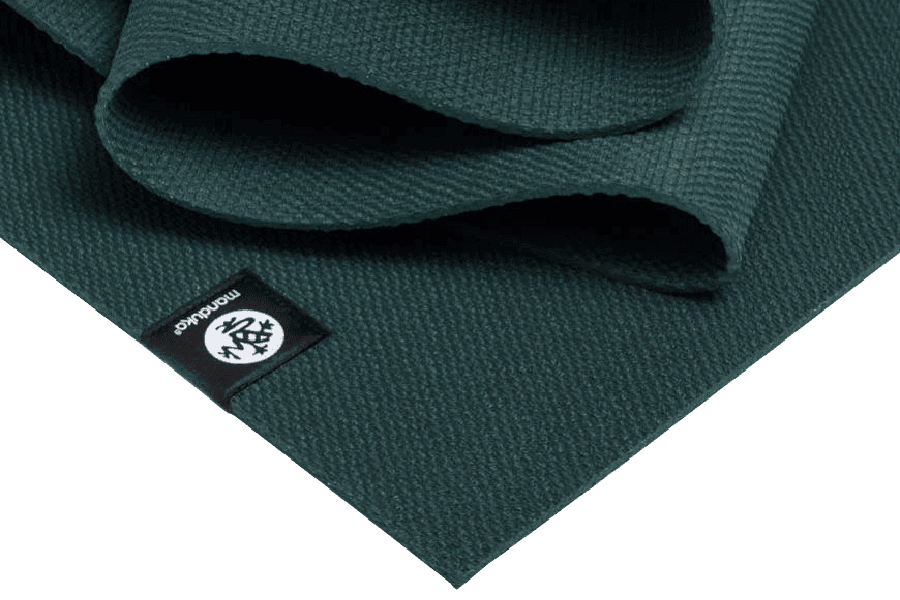
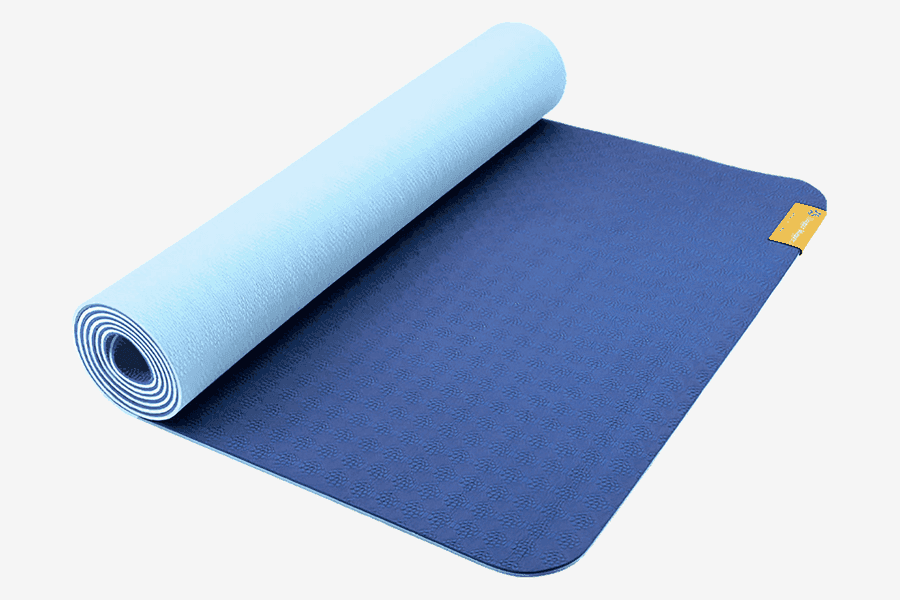
These two line up almost exactly on paper: both TPE, both 5 mm, both closed cell, both made in Taiwan, both 24 inches wide and both latex free. The prices have drifted apart, $72 against $83, but the real difference is density. Manduka made the X hard because it is sold as a hybrid fitness mat meant to take shoes and dumbbells. Hugger Mugger made the Earth Elements soft because it is sold as a comfortable yoga mat.
As an Amazon Associate, we earn from qualifying purchases made through links on this page. How this works
The quick answer
At two dollars apart there is no value argument to make here, so buy the one whose feel matches your practice. The X is firmer, tougher, and the only one of the two that survives weights, trainers, or a garage floor. The Earth Elements is genuinely plusher, scored 70 of 100 in OutdoorGearLab's test with plush comfort leading its pros, and is the kinder mat under a knee.
Get the X if anything other than barefoot yoga happens on the mat. Get the Earth Elements if your practice is yin, restorative, or mostly seated. Whichever you pick, plan on a towel if you sweat, because neither has an answer for it.
Get the Manduka X if...
- The mat has a second job: weights, HIIT, planks, a home gym
- You want a firm surface that stays steady in balances
- You want a mat you can be careless with and drag around
- You want texture on both faces so either side works
Get the Earth Elements if...
- Your practice is gentle, seated, or restorative
- You want the softer mat under knees and elbows
- You want a mat with an independent test score behind it
- You want the lighter of the two at 2.4 pounds
Side by side
Price
The X lists for $11 less.
$72
List price · check price at Amazon
$83
List price · check price at Amazon
Thickness
Identical thickness.
5 mm0.2″
5 mm0.2″
Weight
The Earth Elements is 1 lbs lighter.
3.4 lbs1.5 kg
2.4 lbs1.09 kg
Size
The Earth Elements is 1″ longer; same width.
Same on both
- TPE, 5 mm, closed cell, and made in Taiwan
- Latex free and safe with a rubber allergy
- 24 inches wide with no wider size in the range
- 30 day returns and no warranty from either brand
- Both wipe clean with a damp cloth and dry in minutes
Full specs
Dimensions
Materials & build
Buying
Same material, same thickness, same money
These two line up almost exactly on paper. Both are TPE. Both are 5 mm. Both are closed cell, both are made in Taiwan, both are 24″ wide, both are latex free, and both come with 30 day returns and no warranty. The Manduka X lists at $72 and the Hugger Mugger Earth Elements at $83.
The difference is density. Manduka made the X hard, because it is sold as a hybrid fitness mat meant to take shoes and dumbbells. Hugger Mugger made the Earth Elements soft, because it is sold as a comfortable yoga mat. Same plastic, opposite decisions.
So this comes down to what happens on the mat, not what it costs.
Hard TPE and soft TPE feel nothing alike
The Earth Elements is the plusher mat by a wide margin. OutdoorGearLab led its pros with plush comfort and scored it 7 out of 10 for comfort and support, describing it as a softer cushion for anyone who wants one. On a tile or hardwood floor, kneeling on it is noticeably easier than on the X.
The X is dense enough that 5 mm feels closer to a firm floor with a layer on it. That firmness is deliberate. It is what stops a heel punching through during a jump and what keeps a plank from sinking.
Neither is wrong. Squishy for balance postures is in the Hugger Mugger’s cons list, and it is the direct cost of the softness. If you spend most of a class standing on one leg, you will feel it.
The X is built to be treated badly
This is the X’s real argument. Dense TPE takes a dumbbell set down on it without denting, takes trainers, and survives being dragged across a garage floor and left in a car. Both faces are textured, so there is no wrong side up when a mat gets flipped mid circuit.
The Earth Elements has durability concerns in its GearLab cons, and soft foam earns that. Point loads leave marks, the high traffic areas under hands and feet pack down over time, and none of it comes back. Under barefoot yoga only, it holds up reasonably. Under anything else it will not.
Neither brand offers a warranty, so this is on you either way. Manduka gives 30 days, Hugger Mugger gives 30 days on unused mats only, which means once you have practised on it the return window is already closed.
Grip is a draw, and not in a good way
GearLab has not tested the Manduka X, so there is no score to put next to the Earth Elements’ 6 out of 10. What we can say is that both rely on moulded texture rather than tack, and both stop working at the same point, which is when your palms get damp.
The Earth Elements has mediocre wet grip in its cons. Owners of the X describe the same behaviour: competent dry, unhelpful once you sweat. Sealed TPE cannot absorb anything, so there is nowhere for moisture to go on either mat.
If traction is the reason you are shopping, neither of these is the answer and no amount of comparing them will change that. What works is natural rubber or an absorbent polyurethane face. The Jade Harmony and the IUGA at $67 are the two obvious places to look.
A pound apart, and the pound matters less than you think
3.4 pounds against 2.4. GearLab measured the Earth Elements at 2.2, among the lightest full size mats in its test. The X has not been measured independently.
Both are light. Either one goes over a shoulder without a thought, and a pound of difference is not going to decide anything for most people. This is a category where they are effectively the same mat, which is not true of the eKO or the PRO.
An inch of length, and that is all
The X is 71″ × 24″. The Earth Elements is 72″ × 24″. Both are narrow by modern standards, and both clear the old 68 inch length that leaves taller people hanging off the end.
At 24 inches wide, either one will have your hands finding the edge in a wide legged pose. Neither brand sells this model in a wider cut. If width is what you want at around this money, the Gaiam Premium does not fix it either and the mats that do start higher.
Both are as easy to clean as mats get
Closed cell TPE is the most forgiving surface there is. Nothing soaks in, so a damp cloth and a little diluted mild soap handles everything, and both mats dry in minutes rather than hours. GearLab gave the Earth Elements 9 out of 10 for care and cleaning, joint best in the whole nineteen mat test, and there is no reason the X would score differently.
Skip oil based cleaners and alcohol wipes on both. They will not damage TPE the way they damage rubber, but they leave a film that makes an already marginal grip worse.
Which practice each one is actually for
Buy the X if the mat has a second job. Strength work, HIIT, kettle bells, a home gym corner, kids, a garage floor, anything involving shoes. It is one of the few mats in this price range that will tolerate all of that and still be usable for yoga afterwards.
Buy the Earth Elements if the mat only ever sees yoga and the yoga leans gentle. Yin, restorative, seated practice, sound baths, and anyone with knees that complain on a firm surface. That is what the softness is for, and GearLab’s testers picked out exactly those uses when they scored it.
The overlap case, general room temperature vinyasa, goes to the X on stability. Not by much, and not because it grips better.
Bottom line
At two dollars apart there is no value argument to make, so buy the one whose feel matches your practice. The Manduka X is the tougher, firmer, more versatile mat and the right pick if anything other than barefoot yoga happens on it. It is on Amazon in seven colorways.
The Hugger Mugger Earth Elements is the softer and more comfortable one, it scored a solid 70 in a test the X was not in, and it is the better mat for a floor based practice. It is on Amazon in four colorways. Whichever you pick, plan on a towel if you sweat, because neither of these has an answer for it.
Manduka X
List price $72
Frequently Asked Questions
- Is the Manduka X good for yoga, or only for the gym?
- It works for yoga and it was not designed around it. Manduka sells it as a hybrid fitness mat, and the density that lets it take a dumbbell also makes it a firm, stable floor for standing poses. What it does not do is grip when you sweat, which is the thing most people are actually shopping for. If the mat only ever sees yoga, the money is better spent on a rubber or polyurethane surface.
- Which one is more comfortable?
- The Earth Elements, without much argument. OutdoorGearLab led its pros with plush comfort and scored it 7 out of 10 for comfort and support, and at the same 5 mm it compresses further than the X does. The cost shows up in balances: squishy for balance postures is in its cons, and a foam that gives underfoot makes tree pose more of a fight than the X does.
- Do either of these grip when you sweat?
- No. Both are sealed closed cell TPE, so moisture sits on the surface with nowhere to go. The Earth Elements scored 6 out of 10 for grip with mediocre wet grip in its cons, and GearLab has not tested the Manduka X, but owners describe the same behavior: competent dry, unhelpful damp. If traction is what you want, natural rubber or an absorbent polyurethane top is the answer, and the IUGA at $67 is the cheapest mat that does it well.
- Which lasts longer?
- The X, comfortably. Dense TPE takes point loads, shoes, and being dragged across concrete without denting. The Earth Elements has durability concerns in its GearLab cons, and soft foam earns that: the high traffic spots under hands and feet pack down permanently. Neither brand offers a warranty, and Hugger Mugger's 30 day return window covers unused mats only, so once you have practiced on it you are on your own.
- How different are the sizes?
- Barely. The X is 71 by 24 inches and the Earth Elements is 72 by 24, so you get one extra inch of length on the Hugger Mugger. Both clear the old 68 inch standard and both are narrow by current standards, and neither brand sells this model in a wider cut. If width is what you want, both of these are the wrong mats.
- Which is easier to clean?
- They are effectively identical, and both are as easy as mats get. Closed cell TPE lets nothing soak in, so a damp cloth with a little diluted mild soap handles everything and both dry in minutes. GearLab gave the Earth Elements 9 out of 10 for care and cleaning, joint best in the whole test. Skip oil based cleaners and alcohol wipes on both, since they leave a film that makes an already marginal grip worse.
Related comparisons
- Manduka X vs Gaiam Performance Dry-Grip 5mm
- 42 Birds The Robin vs Hugger Mugger Earth Elements 5mm
- Manduka X vs Gaiam Performance Dry-Grip Long & Wide
- Manduka X vs IUGA Eco Friendly Non Slip PU
- IUGA Eco Friendly Non Slip PU vs Hugger Mugger Earth Elements 5mm
- Manduka X vs JadeYoga Level One
- Manduka Begin vs Hugger Mugger Earth Elements 5mm
- Hugger Mugger Earth Elements 5mm vs Gaiam Performance Dry-Grip Long & Wide
- Gaiam Performance Dry-Grip 5mm vs Hugger Mugger Earth Elements 5mm