Manduka X vs Gaiam Dry-Grip: Which One Should You Buy?
Two dollars separates these mats, and they're aimed at different workouts. The Manduka X is a 5 mm TPE mat that Manduka positions as a hybrid fitness surface, as much for circuits and core work as for yoga. The Gaiam Performance Dry-Grip is a softer, smooth-topped PVC mat happiest under slow, floor-based practice. Neither handles serious sweat, so the decision is really about which dry practice you're buying for.
As an Amazon Associate, we earn from qualifying purchases made through links on this page. How this works
The quick answer
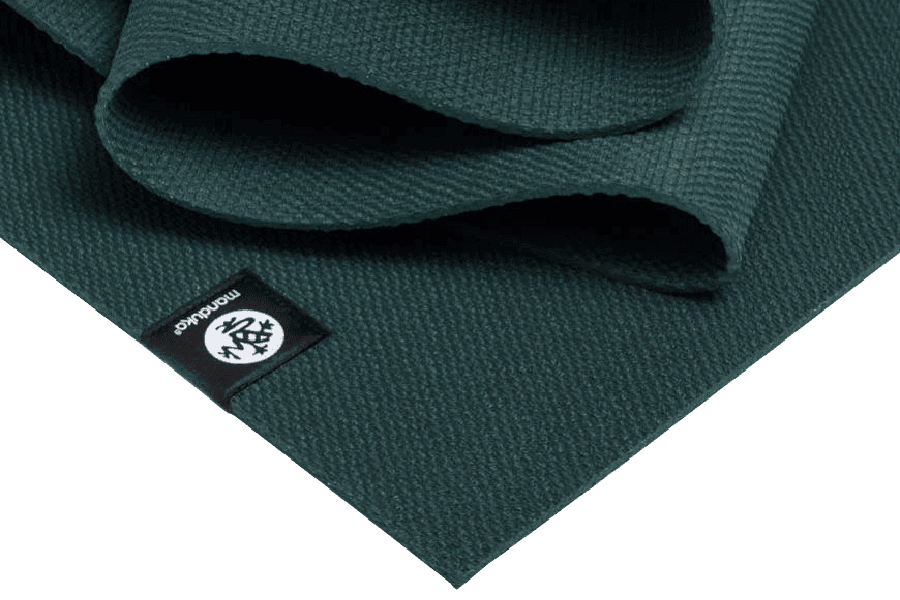
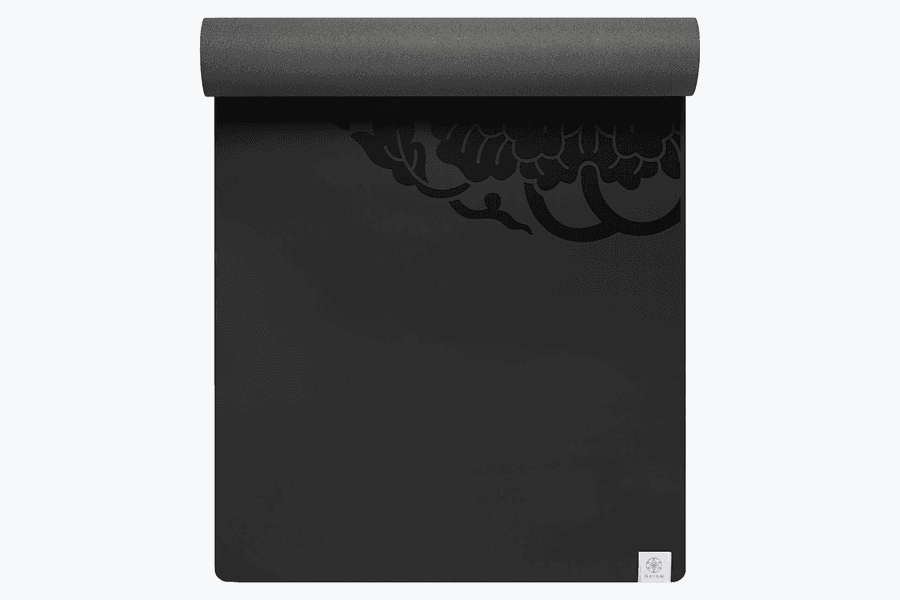
The X is the tougher, lighter, longer mat: 71 inches, 3.4 pounds, textured on both faces, and closed-cell TPE that tolerates sneakers, dumbbells, and living-room HIIT. The Dry-Grip is the more comfortable pure-yoga surface of the two: 4.25 pounds of denser PVC with a sleek coated top, cushion GearLab rated well in scoring it 62 of 100, and a planted feel that stays put on smooth floors. The X wasn't in that test lineup.
Get the X if your mat hosts mixed training or ever leaves the house. Get the Dry-Grip if it's yoga only, slow and dry, and softness underfoot matters more than versatility. If your palms sweat, get neither; the IUGA runs about $67 and actually solves that problem.
Get the Manduka X if...
- The same mat hosts HIIT, strength work, or stretching in shoes
- You want the light 3.4 pound carry and compact roll
- You're taller: 71″ against the Gaiam's 68″
- You want seven colorways and a double-sided surface
Get the Gaiam Dry-Grip if...
- Your practice is yoga only, slow, dry, and floor-heavy
- You want the softer cushion under knees and hips
- A lifetime guarantee and big-box availability appeal
- You want the mat with an independent test score behind it
Side by side
Price
The Dry-Grip lists for about $2 less.
$72
List price · check price at Amazon
$69.98
List price · check price at Amazon
Thickness
Identical thickness.
5 mm0.2″
5 mm0.2″
Weight
The X is 0.9 lbs lighter.
3.4 lbs1.5 kg
4.25 lbs1.9 kg
Size
The X is 3″ longer; same width.
Same on both
- About $70 list on both
- 5 mm thick, latex-free builds
- Closed surfaces that turn slick once palms sweat
- No break-in period on either
Full specs
Dimensions
Materials & build
Buying
Two dollars apart, hired for different jobs
At $72 and $69.98, these two sit on the same shelf of the market and were built for different rooms. The Manduka X is 5 mm of closed-cell TPE that Manduka positions as a hybrid fitness mat, meant to take circuits, core work, and sneakers alongside yoga. The Gaiam Performance Dry-Grip is 5 mm of coated PVC, softer and heavier, happiest under slow, barefoot, floor-based practice.
Neither surface survives sweaty palms, so the honest framing is: which dry practice are you equipping? Answer that and this page mostly writes itself.
Versatility: the X takes the abuse
The X’s case is toughness. Dense closed-cell TPE with texture on both faces tolerates shoes, dumbbells parked on it, and lateral movement that would chew through a soft coated mat. If one purchase has to cover yoga on Tuesday and HIIT on Thursday, the X is the only candidate here; the Dry-Grip’s coating, which GearLab already flags for limited long-term durability, is a barefoot surface.
Manduka’s own catalog agrees with this framing: the X is its cross-training answer, while its pure-yoga entry mats are the Begin and the eKO line. Our X vs Begin page covers that split inside the brand.
Feel: the Gaiam is the nicer pure yoga surface
Keep the practice slow and barefoot and the Dry-Grip earns its keep. Its smooth topcoat feels sleeker than TPE, its PVC foam is softer under knees and hips, and its extra pound of density drapes flat and stays put on hardwood, where featherweight mats can creep. GearLab scored it 62 of 100 with comfort among its strengths.
The X is firmer and more utilitarian, closer to equipment than furnishing. That firmness reads as stability under standing balances and as less forgiveness under a bony knee; a folded blanket solves the latter, as ever.
Sweat: a weakness they share completely
Once palms go damp, both surfaces let go. GearLab found the Dry-Grip’s traction fell apart in sweaty sessions, scoring its wet grip near the bottom of its lineup and recommending the mat for stretch practice and slower flows; the name promises more than the coating delivers. TPE like the X’s behaves the same way at every brand and price.
If sweat is part of your practice, redirect this budget: the roughly $67 IUGA’s absorbent polyurethane top took GearLab’s Best Value award doing exactly the job these two skip, and our Dry-Grip vs IUGA page makes that case in detail.
Size and weight
The X is longer, 71″ × 24″ against 68″ × 24″, which matters between about five foot eight and five foot eleven, and lighter at 3.4 pounds to the Gaiam’s 4.25. For a mat that rides to a gym or class, the X is the easy carry; for a mat that stays unrolled at home, the Gaiam’s heft is the feature.
If large is the actual requirement, Gaiam sells the separate Dry-Grip Long & Wide at 78″ × 26″ for about $75, the cheapest big smooth-top mat we cover.
Materials and allergies
Both are latex-free, the X as TPE made in Taiwan and the Dry-Grip as PVC marketed without six common phthalates, so for once a latex allergy doesn’t pick the winner. Neither carries a third-party certification, and both appreciate a couple of days airing out when new.
Between the plastics there is no meaningful eco winner, and buyers who care most about materials generally end up at natural rubber, which in this price range means the Jade Level One.
Warranty, colors, and where to buy
Gaiam backs the Dry-Grip for life against manufacturing defects; Manduka gives the X 30 day returns and nothing after. Since both mats age by wear the paper doesn’t cover, the X’s real durability case is its construction rather than a document.
Both are easy buys: check current prices on the X and the Dry-Grip at Amazon. The X comes in seven colorways at last count to the Gaiam’s three, and the Gaiam is the one you can examine on a big-box shelf first.
Bottom line
Get the X if the mat’s week includes anything beyond barefoot yoga, if it travels, or if you’re tall enough to want the 71 inches. It’s the tougher and more versatile purchase, and a perfectly good dry-hands yoga mat besides.
Get the Dry-Grip if the mat’s job is slow, dry, floor-heavy yoga at home, where its softer cushion, planted feel, and lifetime paper fit the work. And if either mat is on your list because you sweat, buy the IUGA instead and thank the test data later.
Manduka X
List price $72
Frequently Asked Questions
- Which is the better pure yoga mat?
- For a slow, dry practice, the Gaiam. Its coated top feels sleeker than TPE, its PVC cushion is softer under knees and hips, and its extra pound of density keeps it planted on hardwood where light mats can shift. GearLab scored it 62 of 100 with comfort as a strength. The X is a perfectly capable dry-hands yoga surface too, just a firmer and more utilitarian one; its advantages show up outside pure yoga.
- Can I do HIIT or strength work on the Dry-Grip?
- It's not built for that. The Dry-Grip's soft PVC and coating are a barefoot yoga surface; shoes and dynamic lateral work will chew through the coating GearLab already flags for limited long-term durability. The X exists precisely for the mixed case, with a denser, closed-cell TPE build that Manduka positions as a hybrid fitness mat. If burpees share the calendar with down dog, the X is the right tool.
- Is either mat good when I sweat?
- No. The Dry-Grip's wet grip scored near the bottom of GearLab's 19-mat lineup, with traction falling apart in sweaty sessions, and TPE surfaces like the X's lose grip the same way once palms go damp. For roughly the same money, the IUGA's absorbent polyurethane top actually handles sweat and took GearLab's Best Value award; if damp palms describe your practice, buy that instead of either mat here.
- How do size and weight compare?
- The X is 71 by 24 inches at 3.4 pounds; the Dry-Grip is 68 by 24 at 4.25. Three extra inches of length matter between about five foot eight and five foot eleven, and the X's lighter roll is the one you'd rather carry daily. Gaiam counters at the large end with a separate Dry-Grip Long and Wide at 78 by 26 for about $75, the cheapest big mat in this conversation.
- What are the warranties?
- Gaiam backs the Dry-Grip for life against manufacturing defects; Manduka gives the X 30 day returns and no warranty. Both mats age by surface wear and compression that neither document covers. The X's practical durability case isn't paper, it's construction: dense closed-cell TPE built for abuse tends to outlast a coated soft mat that's used hard.
- Where should I buy them?
- Both are easy: the X sells through manduka.com and Amazon in seven colorways at last count, the Dry-Grip through Amazon and big-box stores in three colors. The Gaiam is the one you can examine on a shelf today. Neither includes a strap or bag, and street prices on both drift below list, so check current prices before assuming the $2 list gap holds.
Related comparisons
- Manduka X vs Gaiam Performance Dry-Grip Long & Wide
- Manduka X vs IUGA Eco Friendly Non Slip PU
- JadeYoga Level One vs Gaiam Performance Dry-Grip 5mm
- Gaiam Performance Dry-Grip 5mm vs IUGA Eco Friendly Non Slip PU
- Manduka X vs Hugger Mugger Earth Elements 5mm
- Manduka Begin vs Gaiam Performance Dry-Grip 5mm
- Manduka X vs JadeYoga Level One
- Gaiam Performance Dry-Grip 5mm vs Hugger Mugger Earth Elements 5mm
- Manduka X vs 42 Birds The Robin