Gaiam Premium vs Premium Reversible: Which One Should You Buy?
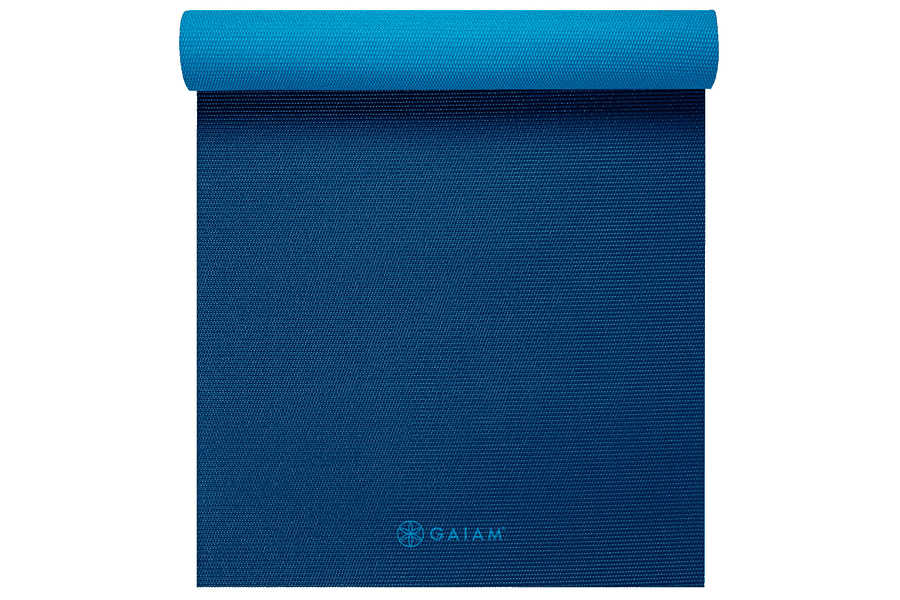
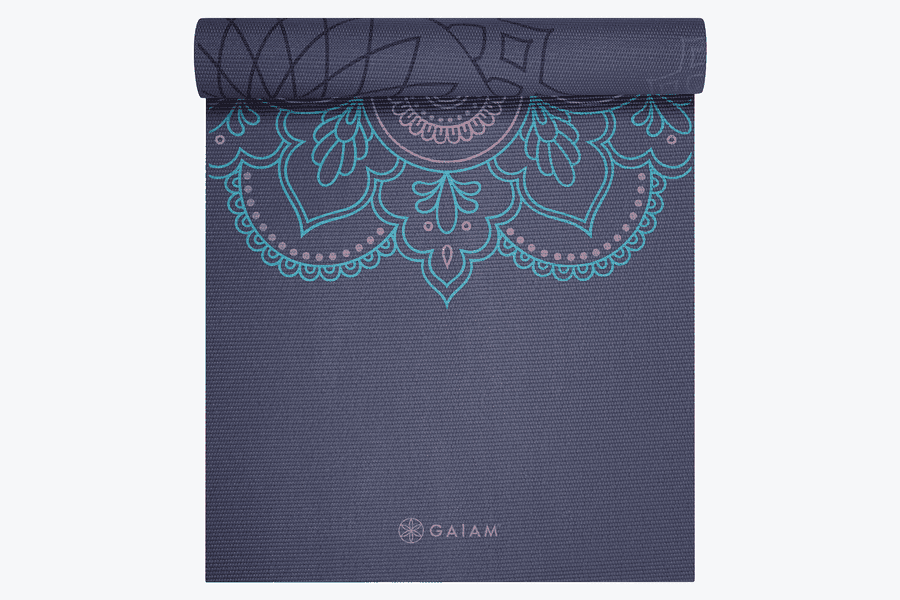
Gaiam's catalog is confusing on purpose, and these two names sit at the center of it. The Premium 6mm and the Premium Reversible 6mm are the same mat underneath: same 68 by 24 inch footprint, same 6 mm of soft PVC foam, same weight, same lifetime guarantee. The $10 difference buys printed artwork instead of two-tone solid colors. That really is the whole comparison, and it's worth ten minutes to be sure which side of it you're on.
As an Amazon Associate, we earn from qualifying purchases made through links on this page. How this works
The quick answer
Functionally these are one mat. Both faces of each are finished practice surfaces, both grip fine with dry hands and turn slick with sweat, and both cushion beautifully for floor work while going squishy in balance poses. In OutdoorGearLab's 19-mat test the plain Premium actually scored higher, 62 to the Reversible's 54, and took the Best First Mat award; the print buys looks, not performance.
Get the plain Premium and keep the $10 unless a specific printed design is the thing that will get you on the mat. That's a real reason, and it's the only one.
Get the Gaiam Premium if...
- You'd rather keep the $10 for identical performance
- You want the version GearLab actually scored higher and named Best First Mat
- Two-tone solid colors are fine; it reverses too, to its second color
- You want less risk of print dye rubbing off on pale leggings when the mat is new
Get the Premium Reversible if...
- A printed design you love will genuinely get you practicing more
- You want two different looks on one mat and will actually flip it
- It's a gift, and the prints make a better unboxing than solid colors
- Ten printed designs at last count beat four color combos for your taste
Side by side
Price
The Gaiam Premium lists for about $10 less.
$29.98
List price · check price at Amazon
$39.98
List price · check price at Amazon
Thickness
Identical thickness.
6 mm0.24″
6 mm0.24″
Weight
Identical weight.
3.3 lbs1.5 kg
3.3 lbs1.5 kg
Size
Same length; same width.
Same on both
- Identical 68″ × 24″ footprint and 6 mm thickness
- Same soft PVC foam construction at 3.3 pounds
- Latex-free, safe for latex allergies
- Same lifetime guarantee against manufacturing defects
- Both turn slick once your palms sweat
Full specs
Dimensions
Materials & build
Buying
One mat, two finishes, ten dollars
Gaiam sells enough similarly named mats that this comparison mostly exists to untangle two of them. The Premium 6mm at $29.98 and the Premium Reversible 6mm at $39.98 share everything that matters: the same 68″ × 24″ footprint, the same 6 mm of soft latex-free PVC foam, the same 3.3 pounds, the same lifetime guarantee.
The difference is cosmetic. The plain Premium comes in two-tone solid color combos; the Reversible carries printed artwork with a different design on each face. Ten dollars for a print is a fair deal or a pointless one depending entirely on you, so the useful thing we can do here is describe the mat you get either way, honestly.
What reversible does and does not mean
Worth clearing up before you pay for it: both faces of either mat are finished practice surfaces with the same texture and feel. Flipping the mat changes which design shows, not how it grips or cushions. Some brands sell genuinely two-surface mats, one face grippier and one softer; neither Gaiam is one of those.
Owners describe the Reversible as two mats in one, and that is fair as long as you mean two looks. The plain Premium technically reverses too, to its second solid color. If you were hoping the print bought a performance difference, it does not, and now you know before checkout rather than after.
GearLab scored the cheaper one higher
In OutdoorGearLab’s 19-mat test, the plain Premium scored 62 of 100 and took the Best First Yoga Mat award. The Reversible scored 54, finishing 15th, rating a shade lower on comfort and support, 6.0 against the plain version’s 6.5, with its grip scored 4 of 10, the lowest of the three Gaiams in the lineup, and staining clothing listed among its drawbacks.
We would not read a large gap into scores this close on near-identical mats, but the direction is worth noting: the extra $10 buys artwork, and by the only independent test that rated both, nothing else.
What the mat is like: soft, comfortable, wobbly
Both versions are 6 mm of genuinely soft foam, and for kneeling poses, stretching, restorative classes, and workout videos, the squish is pleasant. GearLab praised the cushion for exactly those uses. This is a comfortable mat to spend floor time on, and that is most of why it makes a good first mat.
The same softness is the weakness. GearLab found the foam went squishy and sacrificed stability in balance poses like tree, and the surface compresses visibly where hands and feet land over time. If your classes are heavy on standing balances or anything one-legged, this construction, in either finish, is the wrong one.
Sweat is where both give up
The textured sticky finish holds fine with dry hands in slow classes. Add sweat and both mats turn slick; one GearLab tester described losing confidence in a wide-legged forward fold as moisture built up, and wet grip rated 4 of 10 against a test average of 5.7. The recurring owner complaint about Gaiam mats is this exact behavior.
A towel over the mat patches it, but if sweaty practice is the actual plan, the correct move is a different mat entirely: tacky rubber like the Jade Harmony or a budget polyurethane top like the IUGA, both of which we compare against the Premium directly.
Durability and the lifetime guarantee
Both carry Gaiam’s lifetime guarantee, which covers manufacturing defects. That is genuinely unusual at this price and also narrower than it sounds, because the way soft foam mats actually age, cushion packing down where you stand, texture wearing smooth after a year or two of steady practice, is wear, not defect. Practice daily and expect the mat to feel thinner within a couple of years; practice weekly and it lasts much longer.
The Reversible adds one quirk of its own: the printed surface can transfer dye to clothing when new, so give it a damp-towel buff before the first session and skip pale leggings for a week. Gaiam’s own advice for both is to unroll and air the mat for two to three days out of the box to clear the new-mat smell.
The actual difference: colors and prints
The plain Premium comes in four two-tone color combos at last count. The Reversible comes in ten printed designs at last count, patterns like Purple Illusion and Lunar Wave that are the reason this mat exists and the reason it shows up in living rooms that care how the mat looks unrolled.
This is a legitimate reason to spend $10. A mat you like looking at is a mat you use, and at $40 total the Reversible is still one of the cheapest decent mats sold. Just be sure the print is what you are paying for, because it is the only thing you are paying for.
Price and where to buy
Both sell everywhere Gaiam does, which is everywhere. Check the current prices at Amazon for the Premium 6mm and the Premium Reversible; the Reversible in particular has better than 15,000 Amazon ratings averaging 4.6 stars, which tells you how many first mats it has been.
One catalog warning while you are shopping: Gaiam also sells Classic, Essentials, and Performance lines that look similar in thumbnails. The Essentials is a lesser mat despite the family resemblance, so check the product name before assuming a cheaper listing is a deal on this one.
Bottom line
Get the plain Premium 6mm and keep the $10. It is the same mat, it scored slightly better in the only independent test to rate both, and the two-tone colors are perfectly pleasant. It remains our default recommendation for a first mat under $30.
Get the Premium Reversible if one of its prints is the thing that will actually get you on the mat, or it is a gift and the artwork will land better than a solid color. That is worth ten dollars. Whichever you pick, the upgrade conversation starts the first time you sweat on it, and we cover where that path leads in our Manduka PRO vs Premium Reversible comparison.
Gaiam Premium 6mm
List price $29.98
Gaiam Premium Reversible 6mm
List price $39.98
Frequently Asked Questions
- Are the Premium and Premium Reversible actually the same mat?
- Same construction, yes: 68 by 24 inches, 6 mm of soft latex-free PVC foam, about 3.3 pounds, with a textured sticky finish and Gaiam's lifetime guarantee on both. The plain Premium comes in reversible two-tone color combos; the Reversible carries printed artwork, a different design on each face. GearLab scored them separately, 62 for the plain Premium and 54 for the Reversible, with the Reversible rating slightly lower on comfort and grip, but on your living room floor they behave like the same mat.
- Does reversible mean two different practice surfaces?
- No, and this is the misconception worth clearing up before you pay for it. Both faces have the same texture and the same feel; flipping the mat changes which design is showing, not how it grips or cushions. Some brands sell genuinely two-surface mats, one face grippier and one softer. Neither of these Gaiams is that. Reversible here means two looks.
- Is either mat good for hot yoga?
- No. Both are closed-surface PVC, so sweat sits on top, and one GearLab tester put it plainly: the surface became slippery enough as moisture built up to lose confidence in a wide-legged forward fold. Wet grip rated well below the test average. These are dry-hands mats for stretching, gentle classes, and home workouts. If sweaty practice is the plan, a rubber mat like the Jade Harmony or a polyurethane-topped mat is the correct spend.
- What does Gaiam's lifetime guarantee actually cover?
- Manufacturing defects, which is standard for lifetime guarantees at every price. The way a soft foam mat actually ages, cushion compressing where your hands and feet land, texture wearing smooth after a year or two of steady practice, is wear, not defect, so don't buy either mat expecting a free replacement when the foam packs down. At $30 to $40 the guarantee is still unusually generous; just read it as defect coverage, not a lifespan promise.
- Does the printed Reversible stain clothing?
- It can when new; GearLab listed staining clothing among the Reversible's drawbacks. Give a new one a wipe-down with a damp towel before the first practice and skip the pale leggings for the first few sessions. Both mats also ship with a mild new-mat smell, and Gaiam's own advice is to unroll and air them out for two to three days before practicing.
- What should I buy instead if I've outgrown this mat?
- If the foam feels wobbly in balances or your palms slide once you sweat, the upgrade path is real mats with real grip: the Jade Harmony at about $100 for tacky natural rubber, or the IUGA at about $67 for a sweat-absorbing polyurethane top on a budget. Both are covered in our comparisons against the Premium. But if you're stretching, doing a weekly class, or following videos at home, neither Gaiam needs replacing; that's the job they're built for.
Related comparisons
- Gaiam Premium 6mm vs Gruper TPE 6mm
- Amazon Basics 1/4 Inch Thick TPE vs Gaiam Premium 6mm
- Gaiam Premium 6mm vs YogaAccessories Extra Thick Deluxe 1/4"
- Gaiam Premium Reversible 6mm vs Gruper TPE 6mm
- Amazon Basics 1/4 Inch Thick TPE vs Gaiam Premium Reversible 6mm
- Gaiam Premium Reversible 6mm vs YogaAccessories Extra Thick Deluxe 1/4"
- Manduka Begin vs Gaiam Premium Reversible 6mm
- Manduka X vs Gaiam Premium Reversible 6mm
- IUGA Eco Friendly Non Slip PU vs Gaiam Premium Reversible 6mm