Gaiam Dry-Grip vs Yoloha Unity Pro: Which One Should You Buy?
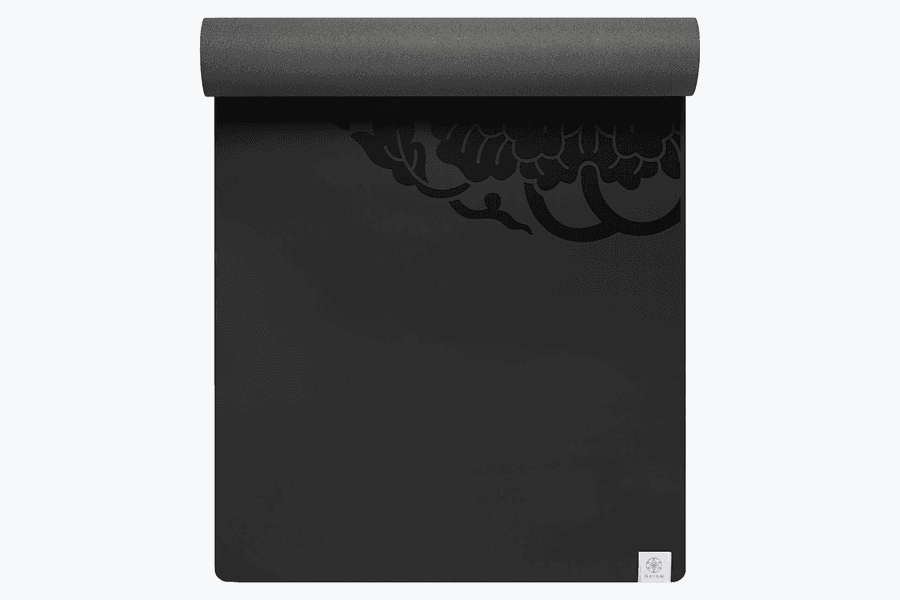
A $69.98 big-box mat against a $159 handcrafted cork mat sounds like a mismatch, but OutdoorGearLab's 19-mat test scored them four points apart: 62 for the Gaiam Performance Dry-Grip, 66 for the Yoloha Unity Pro. Both sell on surfaces that promise composure under moisture, and both deliver only partly. What actually separates them is materials, stability, size, and $89.
As an Amazon Associate, we earn from qualifying purchases made through links on this page. How this works
The quick answer
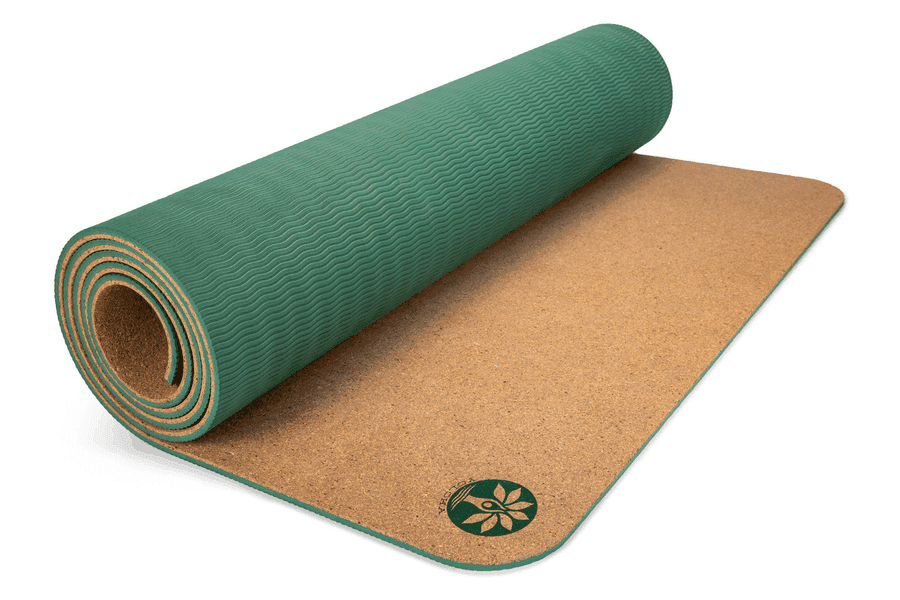
The Yoloha is the better mat in most hands-on ways: an extra-firm platform GearLab ranked among the most stable it tested, renewable cork and plant foam made in the USA, and sizes up to 84 by 30 inches. Its wet grip scored 6 of 10 with a water-spritz routine recommended. The Gaiam counters on practicalities: $89 cheaper, latex-free for allergy sufferers, a softer more cushioned feel that scored 8 for comfort, a lifetime guarantee, and a shelf at every big-box store. Its wet grip scored 3.5, near the bottom of the test.
Buy the Yoloha if natural materials, stability, or size justify a $159 mat for you. Buy the Dry-Grip if your practice is dry and gentle and $70 is the budget. If strong wet grip is the actual requirement, buy neither; the $67 IUGA beats both at it.
Get the Gaiam Dry-Grip if...
- You'd rather keep $89 for a mat that scored within four points
- A latex allergy rules out the Yoloha's natural rubber content
- You want the softer cushion; its comfort outscored the cork mat
- Lifetime guarantee and big-box availability matter to you
Get the Yoloha Unity Pro if...
- You want cork's feel and an extra-firm, planted platform
- Renewable materials made in the USA are worth paying for
- You need size: an 80″ Long or the 84″ × 30″ XL
- You want the better wet-grip result of the two
Side by side
Price
The Dry-Grip lists for about $89 less.
$69.98
List price · check price at Amazon
$159
List price · check price at yolohayoga.com
Thickness
The Unity Pro is 20% thicker.
5 mm0.2″
6 mm0.24″
Weight
The Dry-Grip is 2.8 lbs lighter.
4.25 lbs1.9 kg
7 lbs3.2 kg
Size
The Unity Pro is 4″ longer; the Unity Pro is 2″ wider.
Same on both
- Smooth-ish specialty tops that grip well with dry palms
- Neither is the mat to buy for heavy sweat
- Single-digit gap in GearLab's overall scores, 62 to 66
- Both prefer to stay out of direct sun
Full specs
Dimensions
Materials & build
Buying
Four points apart, $89 apart
On paper this looks like a rout waiting to happen: a $69.98 big-box mat against a $159 handcrafted cork mat from a California surf-culture brand. OutdoorGearLab’s 19-mat test says otherwise, scoring the Gaiam Performance Dry-Grip 62 of 100 and the Yoloha Unity Pro 66. Both sell on special surfaces that promise composure when moisture arrives, and both deliver only part of that promise.
So the $89 is not buying a different performance class. It is buying materials, stability, feel, and size, which are real things worth real money to the right buyer, and worth nothing to the wrong one.
Grip: modest on both, better on the cork
With dry palms, either surface holds fine. Wet is where the test separated them: the Yoloha scored 6 of 10, its cork firming up under light moisture with help from the water-spritz routine Yoloha itself recommends, while the Dry-Grip scored 3.5, near the bottom of the lineup, with testers finding its traction fell apart in sweaty sessions. GearLab steers the Gaiam toward stretch practice and slower flows, which is honest guidance its own name undercuts.
Neither is the tested answer for regular hot yoga. That remains Manduka’s GRP Adapt 2.0 at the premium end and the roughly $67 IUGA on a budget; our GRP Adapt 2.0 vs Yoloha page covers the first of those against this same cork mat.
Feel: soft coating against firm grain
The Dry-Grip is the softer, cushier mat, and its comfort score of 8 beat the Yoloha’s 7; kneeling poses and floor work land gently on its 5 mm of coated PVC. The Yoloha spends its 6 mm on firmness instead. GearLab ranked it among the most stable mats it tested, an extra-firm platform that balances sit on like a floor.
The textures split people too: sleek smooth coating on the Gaiam, grainy organic cork on the Yoloha. Cork is the one surface in this comparison that photos genuinely can’t convey, so touch it somewhere before spending $159 on it if you can.
Materials: home turf for the Yoloha
If the eco story is why you’re considering the cork mat, it holds up as a story: cork and natural rubber over plant-based foam, 83 percent USDA-certified renewable materials by Yoloha’s count, fully vegan, made in the USA. The Dry-Grip is coated PVC, latex-free and marketed as free of six common phthalates, with no origin stated. Neither carries a third-party certification.
The latex line runs the other way: the Gaiam’s PVC is the only safe option here for a genuine latex allergy, because the Yoloha blends natural rubber into its surface. For affected buyers that ends the comparison.
Size and weight
The Yoloha’s standard cut is bigger, 72″ × 26″ against 68″ × 24″, and its range runs to an 80″ Long and a huge 84″ × 30″ XL, though Yoloha’s free return shipping excludes the XL. Gaiam’s answer is the separate Dry-Grip Long & Wide at 78″ × 26″ for about $75, quietly the cheapest large mat in this conversation.
Weight favors the Gaiam for carrying, 4.25 pounds against 7, and favors the Yoloha for staying put. The cork mat is happiest living where you practice; the Gaiam commutes without complaint.
Care, durability, and the backwards paper
GearLab scored care and cleaning 7 for the Gaiam and 5 for the Yoloha, the cork mat’s score dragged down by rubber-and-plant-foam rules: no hot cars, no extended sun, no harsh cleaners. Day to day the cork face itself wipes clean easily. The Gaiam’s weak points are a coating flagged for limited long-term durability and dye that can transfer onto clothing when new.
The written coverage runs backwards from the prices, as it so often does: a lifetime guarantee on the $70 mat, about 30 days on the $159 one. Both documents cover defects rather than the wear that actually retires these mats, so plan on a few good years from either and treat the paper as a tiebreaker.
Price and where to buy
Check the current price of the Dry-Grip at Amazon; big-box stores also shelve it if you want hands on a mat today. The Yoloha sells direct through yolohayoga.com in natural cork at $159, with printed art designs about $30 more at last check.
The value read is simple: four test points is not what the $89 buys. Materials, stability, cork, and size are. Price the difference against how much those four things matter to you, and this comparison resolves itself.
Bottom line
Get the Dry-Grip if your practice is dry and gentle and $70 is the sensible ceiling: it is the softer mat, the latex-safe mat, the easier keeper, and the one with a lifetime guarantee. Its coating’s slickness under real sweat is the known cost.
Get the Yoloha if natural materials, an extra-firm stable platform, or genuinely large sizes justify the premium, and buy it for those rather than for grip. If the cork idea appeals but the price doesn’t, our IUGA vs Yoloha page shows what the budget alternative gives up, and keeps, against this same mat.
Yoloha Unity Pro Cork
List price $159
Frequently Asked Questions
- Is the Yoloha worth $89 more than the Gaiam?
- Not for grip, which is what both mats advertise; the test gap there is modest, 6 against 3.5 wet, with neither near the leaders. The $89 buys things the spec sheet undersells: a genuinely stable extra-firm platform, cork's distinctive feel, 83 percent USDA-certified renewable materials, USA manufacture, and size options the Gaiam can't answer. If none of those move you, the Dry-Grip covers the same dry-practice use case for less than half the price.
- How do the surfaces feel side by side?
- Completely different. The Dry-Grip's topcoat is smooth and sleek, closer to the polyurethane mats it imitates. The Yoloha is grainy cork blended with rubber, an organic texture people either love or never warm to, over a firm base that barely gives. The Gaiam is the softer, squishier mat, which its comfort score of 8 against the Yoloha's 7 reflects. Touch cork before buying it if you possibly can.
- Which handles a hot class better?
- The Yoloha, with an asterisk. Its cork firms up under light moisture, helped by the water-spritzing routine Yoloha itself recommends, and its wet grip scored 6 to the Gaiam's 3.5, a score that came with testers finding the Gaiam's traction fell apart in sweaty sessions. But neither is the tested answer for regular hot yoga; that's Manduka's GRP Adapt 2.0, or the IUGA on a budget.
- What about latex allergies?
- The Gaiam is the only safe pick here. It's latex-free PVC, marketed as free of six common phthalates. The Yoloha blends natural rubber into its cork surface, and rubber can carry trace latex proteins, so it's out for a genuine allergy regardless of its other virtues.
- How do care and durability compare?
- The Gaiam is the lower-maintenance mat in testing terms; GearLab scored its care and cleaning 7 against the Yoloha's 5, and its coating asks for little beyond a wipe-down, though that coating is also flagged for limited long-term durability and its dye can transfer when new. Cork wipes clean easily, but the Yoloha's rubber and plant foam can't tolerate hot cars or extended sun. Coverage runs backwards: lifetime guarantee on the $70 mat, about 30 days on the $159 one.
- What sizes do these come in?
- The Dry-Grip's standard cut is 68 by 24 inches, with a separate Long and Wide version at 78 by 26 for about $75. The Yoloha starts at 72 by 26 and runs to an 80 inch Long and an 84 by 30 XL, one of the largest mats sold, though the XL is excluded from Yoloha's free return shipping. For maximum territory the Yoloha wins; for cheap large, the Gaiam Long and Wide is quietly the value play.
Related comparisons
- Manduka X vs Gaiam Performance Dry-Grip 5mm
- JadeYoga Level One vs Gaiam Performance Dry-Grip 5mm
- Gaiam Performance Dry-Grip 5mm vs IUGA Eco Friendly Non Slip PU
- Manduka PRO vs Yoloha Unity Pro Cork
- Manduka Begin vs Gaiam Performance Dry-Grip 5mm
- Manduka PRO Long vs Yoloha Unity Pro Cork
- JadeYoga Harmony XW vs Yoloha Unity Pro Cork
- Gaiam Performance Dry-Grip 5mm vs Hugger Mugger Earth Elements 5mm
- Alo Warrior vs Yoloha Unity Pro Cork