Manduka X vs Amazon Basics 1/2 Inch: Which One Should You Buy?
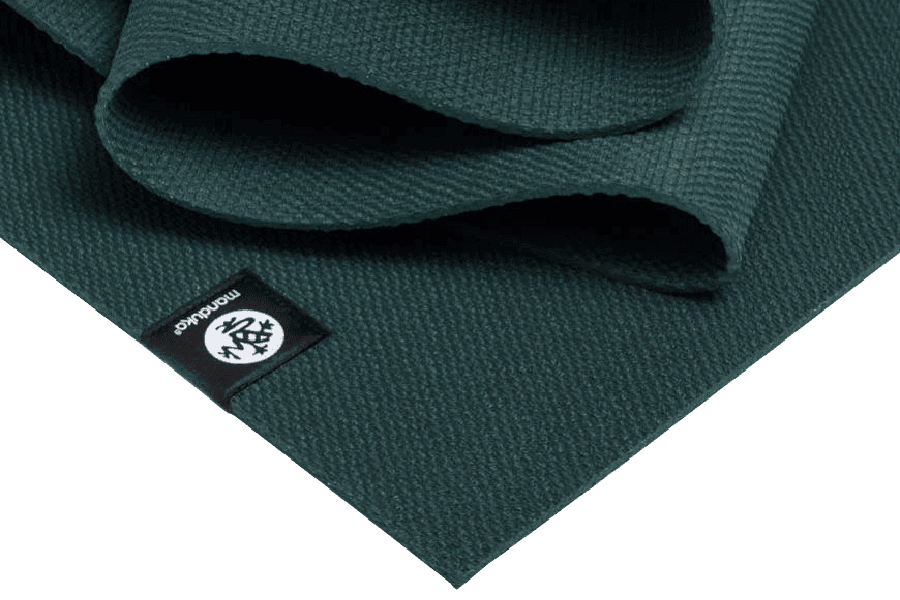
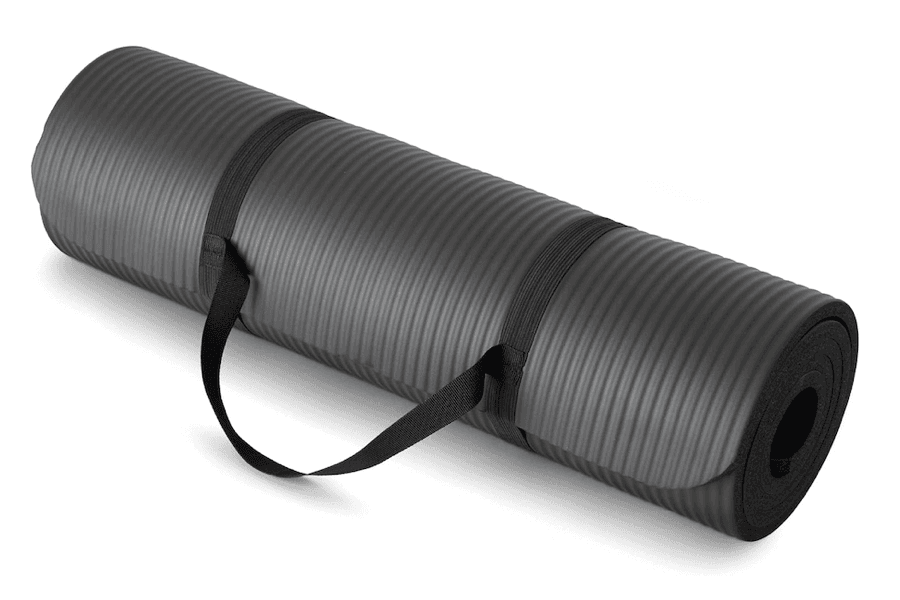
Both of these get marketed to the home-workout crowd, and they solve opposite problems. The Manduka X is a firm 5 mm hybrid mat that stays planted under standing poses, burpees, and dumbbell circuits. The Amazon Basics 1/2 inch is soft NBR foam that makes a hard floor comfortable for the parts of a workout spent on your back and knees. The $50 between them buys firmness and durability, not comfort.
As an Amazon Associate, we earn from qualifying purchases made through links on this page. How this works
The quick answer
For any training that happens on your feet, yoga included, the X is the only real option here. Its dense TPE holds a standing foot and a jumping landing steady, tolerates shoes as designed use, and keeps its shape for a few years of mixed workouts. Half an inch of soft foam wobbles under standing weight, and dynamic work tears it up on an even faster clock.
For stretching, physical therapy movements, and core work where cushioning is the whole point, the Amazon Basics does the job for less than a third of the price, and the X's firmness becomes a neutral trait at best. Pick by where your workout actually happens: on your feet, or on the floor.
Get the Manduka X if...
- Your workouts include standing, jumping, or yoga
- You want one mat for circuits, weights, and flows
- Shoes will touch the mat regularly
- You want a surface that keeps its shape for years
Get the Amazon Basics if...
- Your floor time is stretching, PT, or core work
- Soft cushioning is the feature you're buying
- You're spending about $22, not $72
- You want the included carry strap
Side by side
Price
The Amazon Basics lists for about $50 less.
$72
List price · check price at Amazon
$22.48
List price · check price at Amazon
Thickness
The Amazon Basics is 154% thicker.
5 mm0.2″
12.7 mm0.5″
Weight
The Amazon Basics is 1.5 lbs lighter.
3.7 lbs1.7 kg
2.2 lbs1 kg
Size
The Amazon Basics is 3″ longer; same width.
Same on both
- Same 24" width
- Light enough to carry anywhere
- Fine for gentle floor-based exercise
Full specs
Dimensions
Materials & build
Buying
A training surface and a comfort surface
Home gyms accumulate both of these, often in the wrong order. The Manduka X is a firm 5 mm hybrid mat: a training surface built to keep footing stable through yoga flows, circuits, and dumbbell work, shoes welcome. The Amazon Basics 1/2 inch is a comfort surface: soft NBR foam whose whole contribution is making a hard floor pleasant for the workout’s slow, horizontal chapters.
At $72 versus about $22, the X costs more than three times as much, and for standing work it’s worth every multiple. For lying-down work it isn’t worth one. Sorting your workout into those two piles answers this page.
On your feet, the foam disqualifies itself
Standing yoga poses, squats, lunges, jump landings: all of it needs a surface that compresses a little and stops. The X does exactly that. Half an inch of soft foam keeps compressing, so feet settle unevenly, ankles spend the session stabilizing, and quick direction changes shear the surface sideways underfoot. Dynamic training also happens to be what destroys NBR foam fastest; the tears and flattened patches in its reviews cluster around exactly this misuse.
On the floor, the price logic flips
Stretching, physical therapy movements, long core sessions on tile or concrete: this is the Amazon Basics’ home turf, and its half inch of plush foam beats the X’s firm 5 mm there without trying. It ships with a carry strap, weighs 2.2 pounds, and at about $22 it’s one of the cheapest genuine comfort upgrades in home fitness. The X handles floor work adequately, as dense mats do, but nobody would call it cozy.
Grip, sweat, and shoes
Dry grip goes to the X: its double-sided texture holds bare feet and shoe soles predictably from day one. The foam grips acceptably until load or moisture arrives. Sweat defeats both surfaces equally, since neither absorbs a drop; serious sweat sessions want a towel on either, and heated yoga wants a different mat category entirely. Shoes, meanwhile, are the X’s clearest win: designed use on the Manduka, accelerated destruction on the foam.
Lifespan and coverage
The X gives a few years of mixed training before its TPE shows wear, with Manduka’s 30 day return window as the only paper behind it. The foam runs a shorter race under real use, flattening and tearing inside a year or two, though its 1 year Amazon warranty outclasses the X’s coverage on paper. Add the NBR smell that needs airing out on arrival, versus the X’s near-odorless TPE, and the ownership experience favors the Manduka in every way except the receipt.
Size, weight, and options
The foam is longer, 74″ against 71″, at the same 24″ width, and lighter at 2.2 pounds to 3.4. The X answers with 7 colorways against 3 and a slimmer roll. Neither offers other sizes; the foam’s only line-mate is its 1 inch sibling, which doubles the padding and the bulk for floor-only use.
Price and value
List prices are $72 for the X and about $22.48 for the Amazon Basics. Check current prices on the Manduka X and the Amazon Basics 1/2 inch.
The $50 difference buys a surface you can actually train on, and if training is the plan it’s cheap at the price; one X outlasts several foam pads pressed into the wrong duty. If padding is the plan, keep the $50: the foam is the better product for it, and a firmer budget option like the $26 Amazon Basics TPE exists if you want one cheap mat that splits the difference.
Bottom line
If your workouts involve standing, moving, or yoga, buy the Manduka X. It’s the only one of these two that qualifies as a training surface, and it will still be one in three years.
If you need padding for the floor-bound parts of fitness, buy the Amazon Basics and spend the savings on anything else. Just keep it to the floor work it was made for.
Manduka X
List price $72
Amazon Basics 1/2 Inch Extra Thick
List price $22.48
Frequently Asked Questions
- Can I do HIIT or circuit training on the Amazon Basics foam?
- It's the wrong surface for it. Jump landings sink unevenly, quick direction changes shear the soft foam sideways, and dynamic use is exactly what tears NBR at its seams and flattens it early. The X was built for that workload: firm, double-sided, and indifferent to shoes. The foam is for the slow, horizontal parts of fitness.
- Which is better for yoga?
- The X, clearly. It's a legitimate 5 mm yoga surface with stable footing and good dry grip, while soft half-inch foam makes standing and balance poses wobbly and frustrating. The foam pad only suits restorative, floor-based practice, and a folded blanket does that job about as well.
- Isn't the foam better for my knees during workouts?
- For kneeling planks, stretches, and PT movements, yes, and that's its real use case. But joint comfort in active training comes mostly from stable, dense support rather than depth, and soft foam gives ankles and wrists a mushy base that can work against them. Many home gyms end up with both: the X for the workout, the foam for the cooldown.
- How do they hold up over time?
- The X keeps its shape through a few years of mixed training; its TPE eventually scuffs and wears, and Manduka covers it for 30 day returns only. The foam's story is shorter under load: permanent compression where knees and feet land, tears at stress points within a year or two of real use, backed by a 1 year warranty. Both are consumables; the X is the slower-burning one.
- What about smell and maintenance?
- The Amazon Basics ships with NBR's typical rubbery odor, which owners report airing out over days to a few weeks. The X arrives close to odor-free and needs nothing but an occasional wipe; its only preference is staying out of long sun exposure. Neither absorbs sweat, so both want a towel in genuinely sweaty sessions.
- Is there a cheaper firm alternative to the X?
- Amazon's own 1/4 inch TPE mat, at about $26, is the budget version of the same idea: firm, light, stable underfoot. It gives up the X's density, double-sided toughness, and Manduka's finish, and it wears faster under shoes and equipment. For yoga plus occasional bodyweight work it's plenty; for a real mixed-training week the X earns its price.
Related comparisons
- Manduka X vs Gaiam Performance Dry-Grip 5mm
- Amazon Basics 1/2 Inch Extra Thick vs Retrospec Solana 1/2"
- Manduka X vs Gaiam Performance Dry-Grip Long & Wide
- Manduka X vs IUGA Eco Friendly Non Slip PU
- Manduka X vs JadeYoga Level One
- Manduka X vs Hugger Mugger Earth Elements 5mm
- Manduka X vs 42 Birds The Robin
- Manduka X vs JadeYoga Travel 68"
- Amazon Basics 1/2 Inch Extra Thick vs Gaiam Essentials Fitness Mat 10mm