Manduka PRO vs Jade Fusion: Which One Should You Buy?
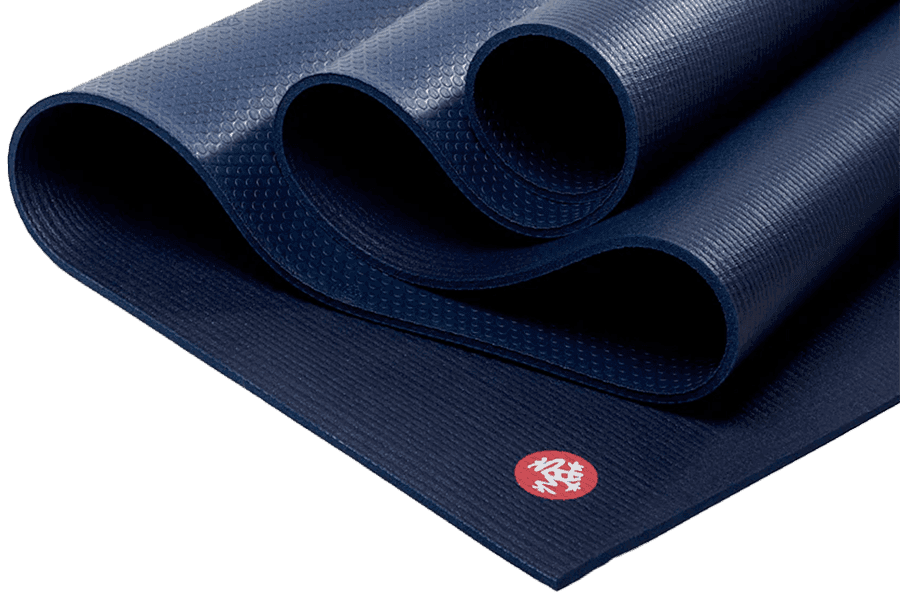
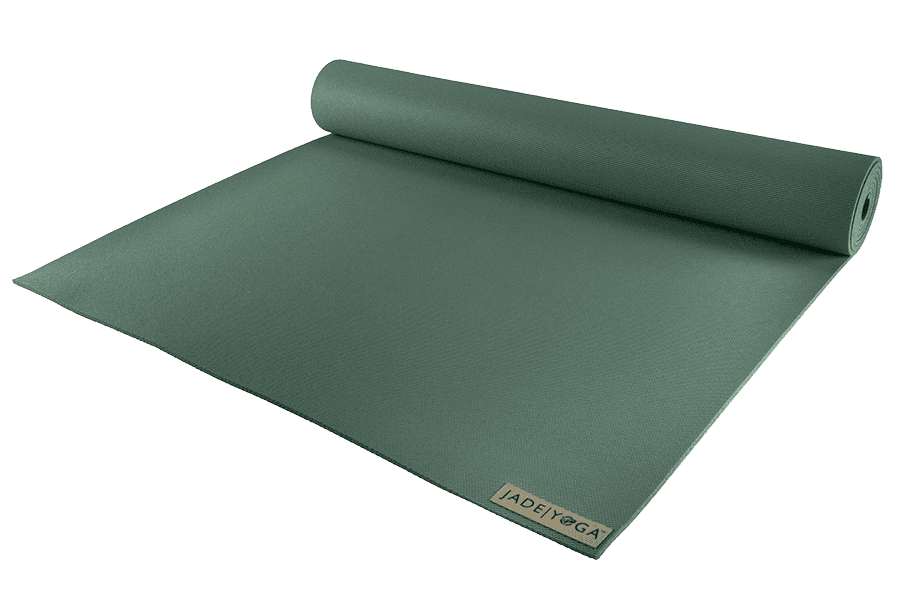
These are the two heavyweights of the premium mat world, built around different priorities. The Manduka PRO is 6 mm of dense closed-cell PVC that starts out slick and then refuses to die. The Jade Fusion is 8 mm of open-cell natural rubber that testers rank at the top for traction and cushioning, but it carries just a 1 year warranty. At $174.95 the Fusion also costs $31 more, so the softer mat is the pricier one.
As an Amazon Associate, we earn from qualifying purchases made through links on this page. How this works
The quick answer
The Fusion is the most cushioned, grippiest mat Jade makes: 8 mm thick, tacky from day one, and rated by OutdoorGearLab's testers in a 2013 review for the best wet and dry traction of any mat they had tested, with a perfect comfort score. It's also 8 pounds, $174.95, slow to dry, breaks down in sunlight, and covered for just 1 year. The PRO is firmer and slicker at first, but it's cheaper, easier to live with, and plausibly the last mat you'll buy.
If your knees are the reason you're shopping, get the Fusion; it's about the most cushioned mainstream mat you can buy. For everyone else the PRO is the more sensible choice: less money, less babying, and a decade-plus lifespan the Fusion can't match.
Get the PRO if...
- You want a mat that lasts decades, with the guarantee to match
- You want easy care: wipe it down and forget it
- You prefer a firmer, more stable surface for balance work
- You'd rather keep about $31
Get the Fusion if...
- Sensitive knees, wrists, or hips are the whole reason you're here
- You want serious grip on day one, wet or dry
- Your practice leans restorative, yin, or floor-heavy
- A natural, renewable material matters to you
Side by side
Price
The PRO lists for about $31 less.
$144
List price · check price at Amazon
$174.95
List price · check price at Amazon
Thickness
The Fusion is 33% thicker.
6 mm0.24″
8 mm0.31″
Weight
The PRO is 0.5 lbs lighter.
7.5 lbs3.4 kg
8 lbs3.6 kg
Size
The PRO is 3″ longer; the PRO is 2″ wider.
Same on both
- Heavy, stay-at-home weight class
- Lies flat without curling
- Firm support despite the thickness
- Longer sizes available
- Wipe-down cleaning only
Full specs
Dimensions
Materials & build
Buying
- Short68" × 26"
- Long85" × 26"
- Long & Wide79" × 52"
- Squared78" × 78"
Two heavyweights, opposite bets
Neither of these mats is trying to be light, cheap, or easy. They’re the two big commitments of the premium mat world, and they commit to different things. The Manduka PRO puts its 7.5 pounds into density: closed-cell PVC that starts slick, breaks in over a few weeks, and then runs for decades. The Jade Fusion puts its 8 pounds into cushion: 8 mm of open-cell natural rubber, Jade’s thickest mat, with the grippy surface the brand is known for.
The price order surprises people. The Fusion lists about $31 higher than the PRO, so the natural rubber mat with the 1 year warranty costs more than the PVC mat guaranteed for life. That only makes sense if the Fusion’s cushioning is the thing you’re actually shopping for. For a lot of its buyers, it is.
Cushioning: the Fusion’s whole case
The Fusion is 5/16 of an inch thick, a full 8 mm, against the PRO’s 6 mm. Numbers undersell it; the materials behave differently too. The PRO’s dense PVC is firm to the point of feeling hard, support with zero sink. The Fusion layers real spring on top of its firmness, and OutdoorGearLab’s testers gave it a perfect 10 for comfort in a January 2013 review, noting it smooths out uneven floors.
If kneeling lunges, low hip work, or anything bone-on-floor is what hurts, the Fusion is the best mainstream answer we know of. It’s built for exactly that buyer: sensitive knees, restorative and yin practices, Pilates floor work. This is also why Yoga Journal named it a best thick mat for 2024.
The PRO is no slouch here. It took first place out of 19 mats in GearLab’s 2026 rankings with a perfect comfort score of its own, and its firmer surface is arguably steadier under one-legged balance work. But in a straight cushioning contest, thicker and springier wins, and that’s the Fusion.
Grip: rated best in 2013, with a sweat catch
OutdoorGearLab’s 2013 review called the Fusion’s traction the best of any mat it had tested, wet or dry. That’s the open-cell rubber doing its thing: tacky from the first class, no break-in, and light sweat absorbs into the surface instead of pooling under your hands.
The PRO starts from behind. New mats ship slick, the most common complaint about them, and need a few weeks of regular practice before the grip comes in. Manduka has retired the old salt-scrub advice and now says the slickness simply resolves with use. Once broken in the PRO grips well, but its closed-cell surface never absorbs sweat, so wet palms slide and heated classes call for a towel.
The catch with the Fusion is what happens after the sweat goes in. GearLab’s 2013 review found a soaked Fusion can take 2 to 3 days to fully dry, and you can’t shortcut that in the sun without damaging the rubber. If you practice hot yoga several times a week, that drying cycle becomes a real logistical problem, and a towel over either mat is the honest answer.
Weight: neither one commutes
The Fusion weighs about 8 pounds, the PRO 7.5, and the Fusion’s 8 mm profile rolls into a noticeably fatter cylinder. GearLab’s 2013 review scored the Fusion 3 out of 10 for portability, and PRO owners tell the same story about theirs. Treat both as mats that live where you practice.
If a mat needs to travel, look one shelf down in each lineup: the Jade Harmony against the PRO is the classic portable-versus-permanent version of this same matchup, with the Harmony at roughly 5 pounds.
Durability and care: the PRO pulls away
Here the bets settle. The PRO’s closed-cell PVC barely wears; GearLab’s testers came across instructors’ PRO mats five to twenty years old and still working. Manduka guarantees it for life, which the fine print defines as roughly 10 years of regular use, one replacement, proof of purchase from an authorized seller. Care is a wipe-down, and the mat doesn’t care where you store it.
The Fusion is natural rubber, and it wears like it. Heavy use softens and sheds the surface over the years, sweat accelerates it, and sunlight hardens the rubber outright, so the mat can’t live in a car or work outdoors. Jade’s warranty runs 1 year and excludes sun damage and harsh cleaners; cleaning means a damp cloth or diluted vinegar, nothing stronger. The same 2013 review scored ease of care at 4 out of 10, mostly for the slow drying.
None of this makes the Fusion fragile in normal use. It makes it a mat with rules. The PRO is the mat without rules, and its warranty is roughly ten times longer. On a mat that costs $31 more, that gap deserves weight in your decision.
The eco question
The Fusion’s material story is the better one if sustainability drives your buying. The rubber is tapped from trees, a renewable resource, with no PVC or synthetic rubber in the mat, made in the USA, and Jade plants a tree for every mat sold, past two million by its count. The PRO is PVC, which has no practical recycling path; Manduka’s answer is that a mat lasting twenty years beats replacing rubber mats every five, and the PRO carries an OEKO-TEX certification for its manufacturing. Both framings are fair. Note for allergy sufferers: Jade mats are 99% latex free, which is not the same as latex free, so the PRO is the safe pick if latex is a concern.
Sizes and colors
The standard Fusion is 68″ × 24″, shorter and narrower than the PRO’s 71″ × 26″, which is worth pausing on: the more expensive mat is also the smaller one. If you’re five foot ten or taller, Jade sells the Fusion in a 74″ length at $199.95 and an oversized Fusion XW at 80″ × 28″ for $249.95. Manduka’s 85″ PRO Long is $164, so going long costs meaningfully less on the Manduka side.
Colors: the Fusion comes in 4 colorways at last count, the PRO in around 14. Both rotate stock through the year, and the selection differs between Amazon and the brand sites, so check both if a color matters.
Price and value
List prices are $144 for the PRO and $174.95 for the Fusion, and Jade raised the Fusion’s price within the last couple of years, so ignore older reviews quoting $150 or less. Street prices move, so check the current price on both the PRO and the Fusion before deciding.
On cost per year the PRO wins easily: it’s cheaper up front and lasts several times longer. The Fusion’s value case is the cushioning you feel every session, not how long the mat lasts. If the cushioning is the reason you practice more, or practice at all, that’s worth more than the durability math.
Bottom line
Buy the PRO if you want the sensible heavyweight. It costs less, needs nothing from you but a wipe-down, and outlasts the Fusion by so much that the comparison stops being fair around year five. The break-in period is the one real annoyance, and it passes.
Buy the Fusion if cushioning is the point. Nothing mainstream pads a knee better, the grip is the best testers have measured, and the natural rubber story is a genuine bonus. You’ll pay about $31 more, follow the care rules, and replace it years sooner. For restorative practices and tender joints, plenty of people make that trade knowingly and would make it again.
Manduka PRO
List price $144
Jade Fusion
List price $174.95
Frequently Asked Questions
- Is the Jade Fusion better than the Manduka PRO for bad knees?
- For cushioning specifically, yes. The Fusion is 8 mm thick against the PRO's 6 mm, and the rubber has a springier, more forgiving feel than the PRO's dense PVC. OutdoorGearLab scored the Fusion a perfect 10 for comfort in a 2013 review. The tradeoff is that all that rubber weighs 8 pounds, costs more, and wears out years sooner than the PRO.
- Is the Jade Fusion good for hot yoga?
- Its grip is, its care routine isn't. The open-cell rubber holds traction with wet hands better than almost anything, which is exactly what a heated room demands. But the same open cells soak up sweat, and GearLab's 2013 review found a soaked Fusion can take 2 to 3 days to dry, and you can't speed that up in the sun without damaging the rubber. If you do hot yoga several times a week, a towel over either mat is the sustainable answer.
- Which lasts longer, the Manduka PRO or the Jade Fusion?
- The PRO, comfortably. Closed-cell PVC barely wears, PRO mats routinely serve a decade or more, and Manduka's lifetime guarantee (roughly 10 years of regular use in the fine print) backs it. The Fusion's natural rubber softens and sheds with heavy use, hates sunlight, and carries a 1 year warranty. Spending $31 more for the shorter-lived mat only makes sense if the cushioning is worth it to you.
- How heavy is the Jade Fusion?
- About 8 pounds for the 68" version, half a pound more than the 7.5 pound Manduka PRO, and it rolls into a thicker bundle because of the 8 mm profile. Both of these are mats that mostly stay where you practice. If you carry a mat to class regularly, the Jade Harmony or Manduka PROlite class of mat will serve you better.
- Is the Jade Fusion safe if I have a latex allergy?
- No. Jade says its mats are 99% latex free but may contain trace amounts of latex proteins, and doesn't recommend them for people with latex allergies. The Manduka PRO is PVC and latex free, so it's the safer pick of these two if latex is a concern.
- What's the difference between the Jade Fusion and the Jade Harmony?
- Thickness, weight, and price. The Fusion is 8 mm thick, about 8 pounds, and $174.95; the Harmony is 3/16" (about 4.8 mm), roughly 5 pounds, and $99.95 in the 68" size. Same tacky natural rubber surface on both. The Harmony is Jade's everyday mat; the Fusion is the one you buy specifically for cushioning, and Yoga Journal named it its best thick mat for 2024.
Related comparisons
- Manduka PRO vs b, halfmoon B Mat Strong 6mm
- Manduka PRO vs Alo Warrior
- Manduka PRO vs Yoloha Unity Pro Cork
- Manduka PRO vs JadeYoga Harmony XW
- Manduka PRO vs Lululemon The (Big) Mat 5mm
- Manduka PRO Long vs JadeYoga Fusion 68"
- JadeYoga Fusion 68" vs Yoloha Unity Pro Cork
- Manduka PRO vs Lululemon The Mat 5mm
- Manduka PRO vs Liforme Classic