Manduka eKO Long vs Liforme Classic: Which One Should You Buy?
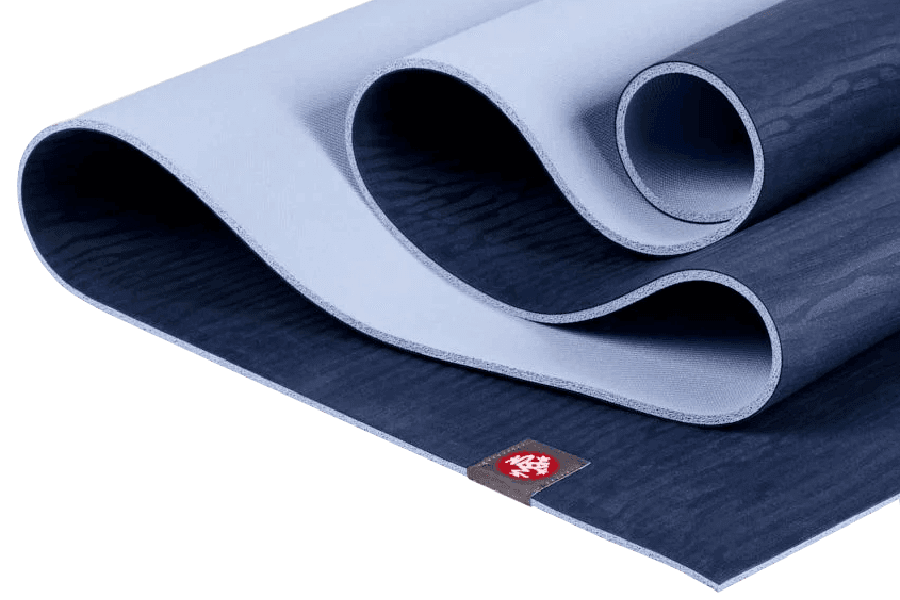
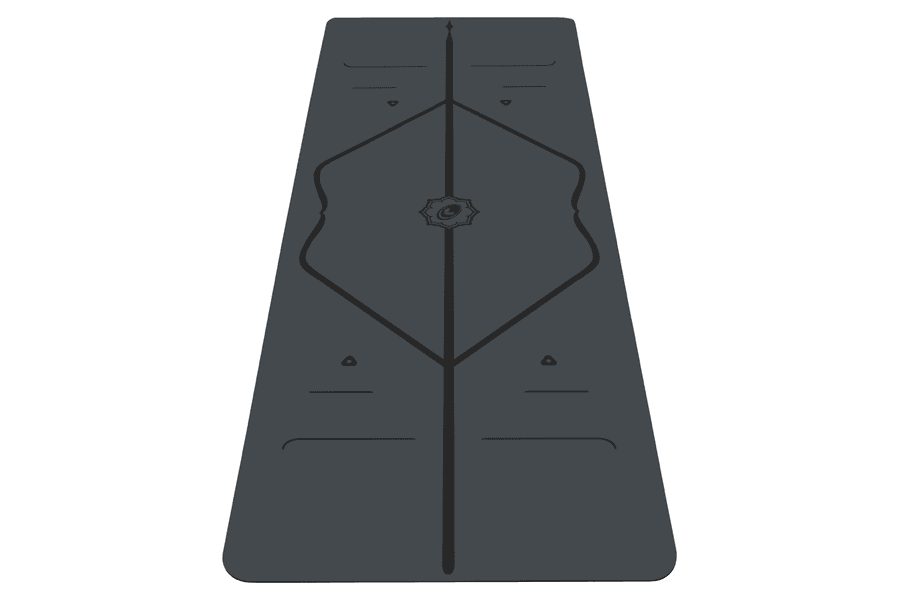
The eKO Long is 79 inches of textured natural rubber for $124. The Liforme Classic is 72.8 inches of eco-polyurethane over rubber for $165, with an alignment grid etched into the surface. Both tested near the top of GearLab's field and they win on different rows.
As an Amazon Associate, we earn from qualifying purchases made through links on this page. How this works
The quick answer
The eKO Long is longer, thicker, cheaper and grippier with dry hands: a perfect 10 for dry grip, the best GearLab recorded, and 9 for comfort and support. The Liforme is the mat that keeps working deepest into a hot class, since its top layer takes moisture in rather than letting it sit, and it carries the alignment guides and the best care and cleaning score in the group.
Buy the eKO Long if you are tall, practice in a normal room, and want to keep $41. Buy the Liforme if you sweat heavily or the alignment lines would change how you practice.
Get the eKO Long if...
- You're around six feet or taller
- You want the highest dry grip score in testing
- You want 5 mm rather than 4.2
- You'd rather keep $41
Get the Liforme if...
- You sweat heavily or practice in a hot room
- The etched alignment guides would help you
- You want the lighter mat and a usable carry bag
- You want a choice of colors
Side by side
Price
The eKO Long lists for $41 less.
$124
List price · check price at Amazon
$165
List price · check price at Amazon
Thickness
The eKO Long is 19% thicker.
5 mm0.2″
4.2 mm0.17″
Weight
The Liforme is 2.5 lbs lighter.
8 lbs3.6 kg
5.5 lbs2.5 kg
Size
The eKO Long is 6.2″ longer; the Liforme is 0.8″ wider.
Same on both
- Natural rubber base
- No warranty, 30-day returns
- Roll rather than fold
- Firm rather than plush
Full specs
Dimensions
Materials & build
Buying
Dry grip against wet grip
The eKO Long is $124 for 79″ × 26″ of textured natural rubber, 5 mm thick. The Liforme Classic is $165 for 72.8″ × 26.8″ of eco-polyurethane over rubber, 4.2 mm thick, with an alignment grid etched into the surface.
Both tested well and they win on different rows. GearLab put the eKO second of 19 mats overall and gave it the highest dry grip score in the group; it gave the Liforme a Top Pick award for alignment and the joint best score for care and cleaning. The $41 gap and the six inches of length go to the Manduka.
One grips dry hands, the other keeps working when you sweat
The eKO scored a perfect 10 for dry grip, higher than anything else GearLab tested, and 7 wet. Its rubber texture works from the first unroll with no break-in. What it will not do is absorb: the eKO is closed-cell, so sweat sits on the surface, and the texture is what keeps you from sliding rather than the material.
The Liforme takes moisture into its top layer instead, and GearLab measured 9 dry and 7 wet. Late in a long heated class a heavy sweater can saturate the coating, at which point a towel wipe resets it. For most practices in most rooms the two feel similarly secure; in a genuinely hot room the Liforme holds up better.
The etched lines
Liforme’s central line, angled foot markers and concentric guides are the reason GearLab’s award reads Best for Fine-Tuning Alignment. They earn their keep if you practice alone, if you are working on squaring hips or setting a repeatable stance, or if you teach and want a shared reference.
The eKO is a plain textured surface. Plenty of Liforme owners stop noticing the guides after a month, so treat them as a real feature with a short novelty period rather than the deciding factor.
The eKO Long is six inches longer
79 inches against 72.8, which is the clearest practical difference on this page. If you are around six feet or taller, the Liforme runs out in a lying-down twist and the eKO Long does not. The Liforme takes back about an inch of width at 26.8 inches.
Liforme sells the Classic in one size only, so length is not something you can buy your way out of there. Manduka also sells the 71″ standard eKO at $114 if you do not need the extra length.
Five millimeters against 4.2
GearLab scored the eKO 9 out of 10 for comfort and support and the Liforme 7, which is the order the thicknesses suggest. Neither is a plush mat, and the eKO is the one you would rather kneel on.
Liforme owners with sensitive knees commonly fold a towel under them, which tells you where 4.2 mm sits. If cushioning is the reason you are shopping, both of these are the wrong end of the market and an 8 mm mat is the answer.
Eight pounds against five and a half
Manduka lists the eKO Long at 8 pounds. The Liforme is listed at 5.5 and GearLab weighed one at 6.2. Neither is light, and the Liforme at least ships with a usable carry bag.
If you carry a mat to a studio several times a week, that two and a half pound difference is real, and the eKO Long is the one people leave at home. Neither belongs in a suitcase.
Two mats, no warranties
Manduka gives the eKO line 30 days of returns, and Liforme gives 30 days as well. Neither carries a warranty, which is standard at this end of the market outside the Manduka PRO family.
They wear differently. The eKO is rubber that thins at the contact points over a few years, smells strongly when new, and is not safe with a latex allergy. The Liforme’s polyurethane top is the wear item, thinning at hands and feet with daily use and disliking oils and harsh cleaners. Day to day the Liforme is easier to keep clean; GearLab scored it 9 out of 10 there against 8 for the eKO.
What the test scores actually say
GearLab ranked the eKO second of 19 mats with 87 points and the Liforme sixth with 76, which sounds decisive and is not the whole picture. The eKO wins on grip, comfort and materials; the Liforme wins care and cleaning outright with a 9, and takes a Top Pick award for something the scoring does not measure well, which is what the alignment guides do for your practice.
The row where the ranking is genuinely misleading is portability. Both are heavy mats and the score reflects that, but the Liforme comes with a carry bag you would actually use and the eKO Long does not. If your mat goes to a studio, that closes more of the gap than the numbers suggest.
Price, colors and where to buy
$124 against $165. Liforme raised the Classic from $160, and its own site quotes prices in pounds, so ignore any figure that is not clearly in dollars. Both sell on Amazon: check the eKO Long at Amazon and the Liforme at Amazon.
Color goes to Liforme, with gray, blue, purple, and several more colorways at last count against midnight only at last count on the eKO Long. Manduka keeps more colorways in the 71 inch version.
Bottom line
Buy the eKO Long if you are tall, if your practice is unheated or mildly warm, and if you would rather keep $41. It grips better than anything else in independent testing, it is thicker, and it is the better value of the two.
Buy the Liforme if you sweat heavily or the alignment guides appeal. It is shorter, thinner and more expensive, and it is the surface that keeps working when the room gets hot. Our standard eKO vs Liforme page covers the same choice at 71 inches.
Manduka eKO Long
List price $124
Liforme Classic
List price $165
Frequently Asked Questions
- Which grips better?
- It depends on how wet your hands get. GearLab measured the eKO at 10 out of 10 dry, the highest score in a 19-mat field, and 7 wet. The Liforme measured 9 dry and 7 wet. With dry hands the eKO is the more secure surface; in a genuinely hot class the Liforme's absorbent top holds better because the eKO is closed-cell and sweat sits on it.
- Is the Liforme worth $41 more?
- If you sweat, or if the alignment guides appeal, yes. Otherwise the eKO Long gives you six more inches of length, an extra 0.8 mm of thickness, better dry grip and $41 back. Liforme raised the Classic's US price from $160, and its own site quotes in pounds, so ignore any figure that is not clearly in dollars.
- Do the alignment lines actually help?
- For some people, a lot. The central line and angled foot markers help with squaring hips and setting a repeatable stance, which is why GearLab's Top Pick award for the mat is specifically for fine-tuning alignment. Plenty of owners stop noticing them within a month, so treat them as a real feature with a short novelty period rather than the deciding factor.
- Which is easier to look after?
- The Liforme. GearLab scored its care and cleaning 9 out of 10, joint best in the group, against 8 for the eKO. Neither should be soaked or cleaned with anything strong. The eKO smells strongly of rubber for the first week or two and is not safe with a latex allergy; the Liforme's polyurethane top is the wear item and thins at hands and feet with daily practice.
- How much do they weigh?
- Manduka lists the eKO Long at 8 pounds. Liforme lists the Classic at 5.5 and GearLab weighed one at 6.2. The Liforme ships with a decent carry bag, so it is the easier of the two to take to a studio. Neither belongs in a suitcase.
- Do either have a warranty?
- No. Manduka gives its rubber eKO line 30 days of returns, and Liforme sells with a 30-day return window and nothing after. That is standard at this end of the market; within Manduka's range only the PRO family carries the lifetime guarantee.
Related comparisons
- Manduka eKO Long vs Lululemon The (Big) Mat 5mm
- Lululemon The Mat 5mm vs Manduka eKO Long
- Manduka eKO Long vs Alo Warrior
- JadeYoga Harmony XW vs Liforme Classic
- JadeYoga Harmony 74" vs Manduka eKO Long
- Liforme Classic vs Yoloha Unity Pro Cork
- Manduka PROlite Long & Wide vs Liforme Classic
- Manduka eKO Long vs JadeYoga Harmony 2.0 68"
- JadeYoga Harmony XW vs Manduka eKO Long