IUGA Eco Friendly PU vs B Mat Strong 6mm: Which One Should You Buy?
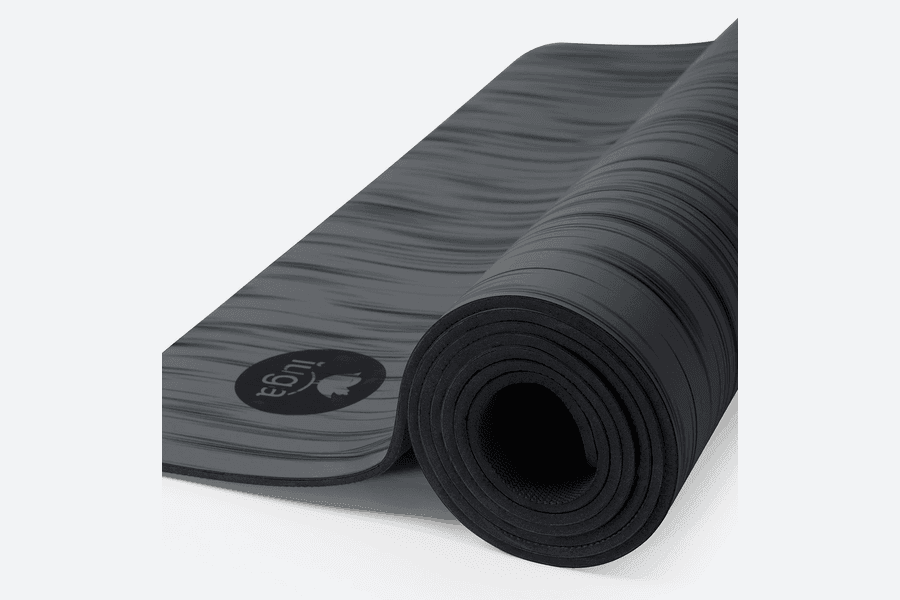
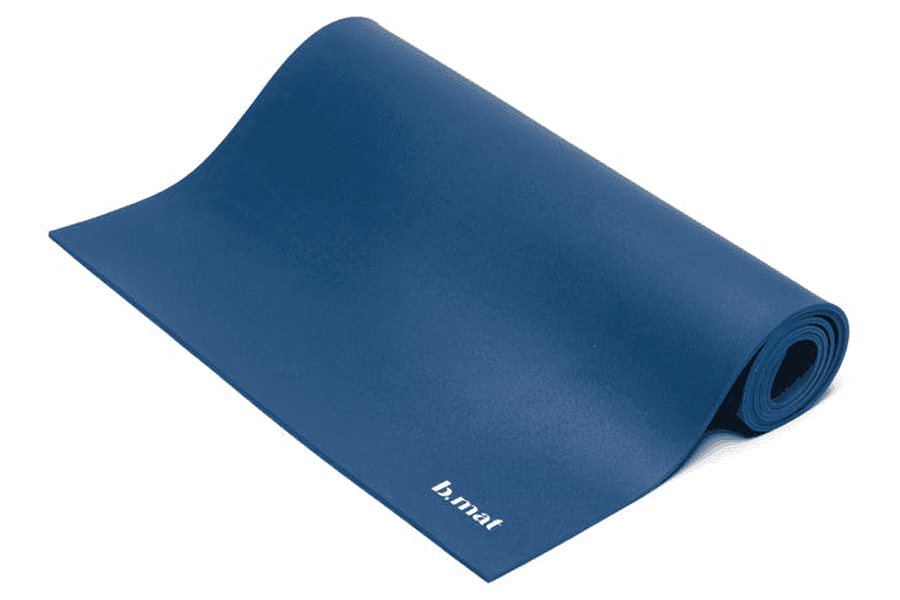
Both of these are 26 inches wide and both grip well, so the specs that matter are weight, thickness and how long the surface holds up. The IUGA is 2.1 pounds and $66.99 and won OutdoorGearLab's Best Buy award. The B Mat Strong is 5 pounds, 6 mm thick and $144, with a rubber surface that is about as grippy as mats get. The gap is $77.01.
As an Amazon Associate, we earn from qualifying purchases made through links on this page. How this works
The quick answer
The B Mat Strong is the mat to buy if you practice hard and want it to last. Dense rubber grips wet or dry, does not depend on a coating that can wear through, gives you 6 mm to kneel on, and carries an OEKO-TEX Standard 100 certificate. It weighs almost two and a half times what the IUGA does and costs more than twice as much.
The IUGA is remarkable for the money and unbeatable for carrying. Two point one pounds for a full-size 5 mm mat is close to unique, its polyurethane top absorbs sweat so grip improves as you warm up, and GearLab scored it 75 out of 100. Its top layer is also the part that wears out, and there is no warranty behind it.
Get the IUGA if...
- You carry your mat regularly and weight is the deciding factor
- You want a sweat-absorbing surface for warm classes
- You want most of a premium mat's grip for under $70
- You'd rather keep the $77
Get the B Mat Strong if...
- You practice several times a week and want the mat to survive it
- You kneel a lot and want 6 mm instead of 5
- You want a surface that wipes clean rather than soaking sweat in
- You want a certified mat with a year of coverage behind it
Side by side
Price
The IUGA lists for about $77 less.
$66.99
List price · check price at Amazon
$144
List price · check price at bhalfmoon.com
Thickness
The B Mat Strong is 20% thicker.
5 mm0.2″
6 mm0.23″
Weight
The IUGA is 2.9 lbs lighter.
2.1 lbs0.95 kg
5 lbs2.27 kg
Size
The IUGA is 1″ longer; same width.
Same on both
- 26 inches wide
- Natural rubber in the build, so both contain latex
- Grip from the first class with no break-in
- Need to be kept out of direct sun
Full specs
Dimensions
Materials & build
Buying
- Strong Long85" × 26"
Same width, opposite build philosophies
Both of these are 26 inches wide and both grip well, so the specs that decide it are weight, thickness and how long the surface holds up. The IUGA is a polyurethane top over a rubber base, 2.1 pounds, $66.99, and it took OutdoorGearLab’s Best Buy award.
The B Mat Strong is 6 mm of dense rubber all the way through, 5 pounds, $144. One of these is built around a surface layer and one is built around a material, which turns out to matter more than the price gap does.
Nearly three pounds apart
At 2.1 pounds, a figure GearLab confirmed on its own scale, the IUGA undercuts most dedicated travel mats while still being a full-size 5 mm mat. Almost nothing else in the category manages that, and it is the IUGA’s standout property.
The B Mat Strong is around 5 pounds and rolls fatter because of the 6 mm build. It is a perfectly normal mat to carry to a studio; it is just not in the same conversation. If you walk, cycle or take transit with a mat every day, this is the number that decides the comparison.
Grip: the B Mat is ahead, but not by as much as the price
GearLab tested the 4 mm version of the same b, halfmoon rubber, rated it 9 out of 10 for grip and described it as among the grippiest mats it had used in wet or dry conditions, holding even with sweat pooled under a hand. It works from the first unroll.
The IUGA scored 8 dry and 7 wet, which is well ahead of any PVC mat and close enough that in a normal class you would struggle to tell them apart. The gap opens up when sweat is genuinely pooling. Worth noting the other way: the B Mat’s surface can be too grippy for styles built on sliding transitions, with GearLab’s testers stepping between poses rather than gliding.
Absorbing against shedding
The IUGA’s polyurethane top soaks sweat up, which is why traction improves as you warm up. The cost is that the moisture is now in the top layer, so the mat wants cleaning after sweaty sessions and the surface degrades faster under that kind of use.
The B Mat sheds. Sweat pools on the dense rubber and the rubber grips through it, so you towel the surface between rounds and nothing lives inside the mat. Heavy sweaters usually end up preferring that, because cleaning never goes past a wipe and there is no absorbed moisture working on the material.
Six millimetres against five
The B Mat has 1 mm more material and it is a different kind of firm. Dense rubber does not compress under a foot, so the extra thickness is cushion you get without losing stability, and knees notice it on a hard floor.
GearLab still scored the IUGA 8 out of 10 for comfort and support, which is high for a 5 mm mat, because that score is mostly about support rather than softness. Neither of these is a plush mat, and on tile both eventually want a folded blanket for long kneeling sequences.
This is what the $77 actually buys
The IUGA’s wear point is the surface. Absorbent polyurethane is what makes the grip work and it is also what goes: owners consistently report it turning shiny and losing traction after a year or two of heavy sweaty practice. IUGA gives you 45-day returns rather than a warranty, so nothing catches you when that happens.
The B Mat’s grip is the material itself, so there is nothing to wear off. It is made in Spain, carries OEKO-TEX Standard 100 certification and a one-year warranty, and dense rubber wears slowly. What actually destroys it is sunlight, so store it rolled and out of the light rather than in a car window.
Both contain latex
This catches people out on the IUGA, because the surface you touch is polyurethane. The base underneath is natural rubber, which is what keeps the mat from sliding on the floor, and it means latex is in there.
The B Mat is described as mostly natural rubber with some synthetic content, which does not make it latex free either. If you have a genuine allergy, PVC mats such as Manduka’s PRO line or Gaiam’s Performance range are where to look instead.
Price and where to buy
$66.99 against $144. Check the current IUGA price, which is frequently below list. The B Mat is sold direct and not on Amazon, so it holds at $144.
Over two years the IUGA is the better deal and it is not close. Over five or six, the B Mat is probably cheaper, because you will have bought two IUGAs by then if you sweat. If $144 is more than you want to spend on rubber, b, halfmoon’s 4 mm B Mat Everyday is $118 with the same surface.
Bottom line
Get the IUGA if weight is what you care about, or if $67 is the budget. Two point one pounds for a grippy full-size mat is a genuine achievement, the award is deserved, and for a couple of years it performs like a much more expensive mat. Plan on replacing it.
Get the B Mat Strong if you practice several times a week and want the mat to survive it. The grip is in the material rather than on it, the 6 mm is real cushion without wobble, and the certification and warranty are things the IUGA does not have. It is the mat you buy once.
B Mat Strong 6mm
List price $144
Frequently Asked Questions
- Which grips better?
- The B Mat, though the IUGA is closer than the price suggests. GearLab tested the 4 mm version of the same b, halfmoon rubber, rated it 9 out of 10 for grip and described it as among the grippiest mats it had used wet or dry. The IUGA scored 8 dry and 7 wet. Both are well ahead of any PVC mat; the difference shows up most when sweat is pooling rather than in a normal class.
- How much lighter is the IUGA?
- Just under three pounds lighter: about 2.1 against 5. GearLab weighed an IUGA at 2.1 pounds, one of the lightest results in a 19-mat test that included dedicated travel mats. If you walk, cycle or take transit to class, that is the single biggest practical difference between these two mats.
- Which one lasts longer?
- The B Mat, fairly clearly. Dense rubber wears slowly and there is no surface coating to break down. The IUGA's polyurethane top is the wear point; heavy sweaty use makes it go shiny and lose grip over time, and it is a common thread in owner reviews after a year or two. b, halfmoon gives one year of coverage; IUGA offers a 45-day return window and nothing after it.
- Which is better for hot yoga?
- They handle it differently and both work. The IUGA absorbs sweat into its top layer, so traction improves as you get damp, and you clean the mat more often as a result. The B Mat sheds it, so sweat pools on top and the rubber grips through it, and you towel the surface between rounds. Heavy sweaters tend to prefer the B Mat because nothing ends up living inside the mat.
- Is 6 mm too thick for balance poses?
- No, because the B Mat's rubber is dense rather than squishy. Thickness only causes wobble when the material compresses under a foot, which is a foam problem. You lose a little floor feedback compared with the IUGA's firmer 5 mm, and a few people who do a lot of standing balance work prefer a thinner mat, but stability is not an issue here.
- Is either safe with a latex allergy?
- No. The B Mat is mostly natural rubber with some synthetic content, and the IUGA has a natural rubber base under its polyurethane top. Both contain latex. If you need grip without latex, PVC mats such as the Manduka PRO line or Gaiam's Performance range are the direction to look.
Related comparisons
- Manduka Begin vs IUGA Eco Friendly Non Slip PU
- b, halfmoon B Mat Strong 6mm vs Manduka PRO Terra 6mm
- Manduka X vs IUGA Eco Friendly Non Slip PU
- Gaiam Performance Dry-Grip 5mm vs IUGA Eco Friendly Non Slip PU
- IUGA Eco Friendly Non Slip PU vs Hugger Mugger Earth Elements 5mm
- Manduka PRO vs b, halfmoon B Mat Strong 6mm
- JadeYoga Level One vs IUGA Eco Friendly Non Slip PU
- Manduka PROlite Long & Wide vs b, halfmoon B Mat Strong 6mm
- Manduka GRP Adapt 2.0 Long vs b, halfmoon B Mat Strong 6mm