Manduka PROlite Long & Wide vs B Mat Strong 6mm: Which One Should You Buy?
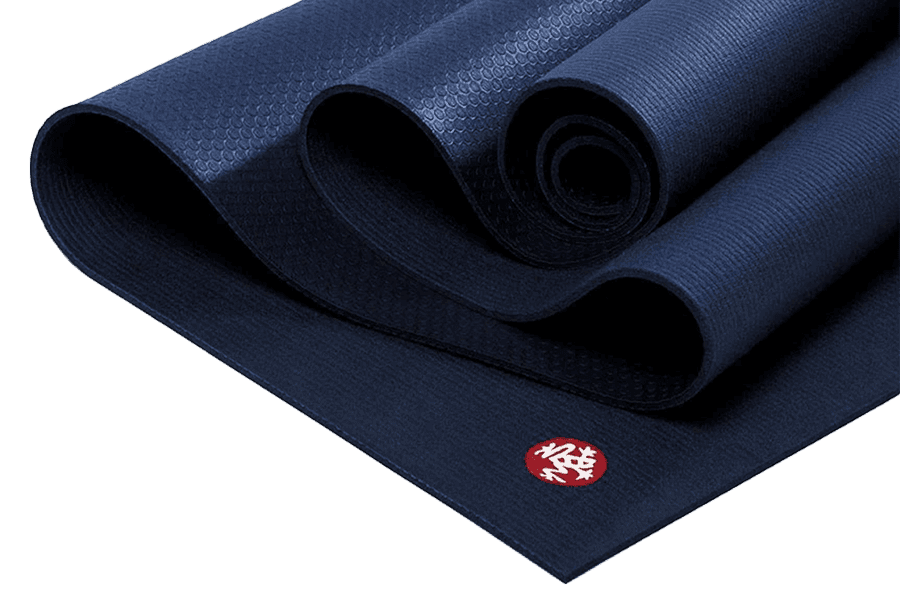
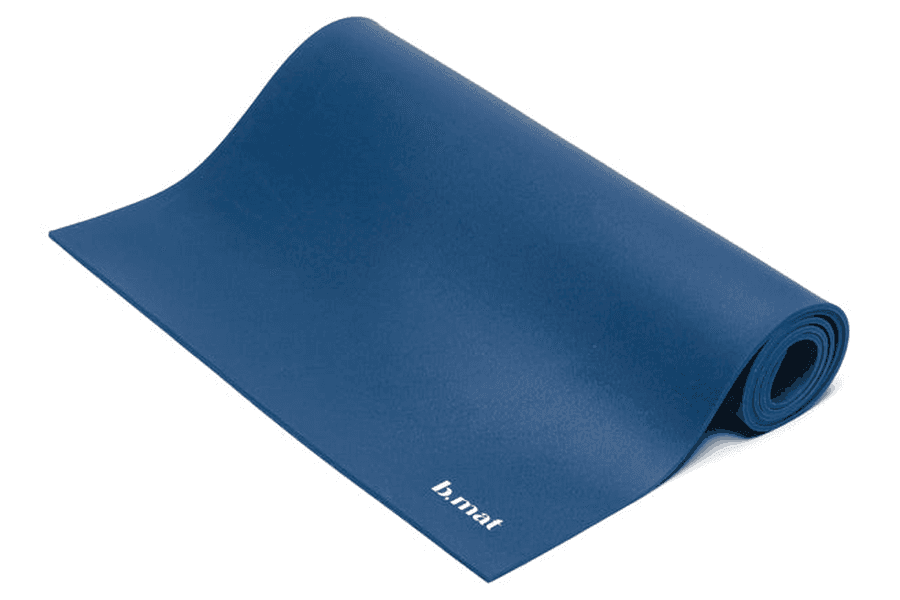
These mats share a $144 list price but put the money in different places. Manduka offers a 79 by 30 inch surface, firm 4.7mm PVC and a lifetime guarantee. The B Mat Strong is smaller at 71 by 26 inches, but its 6mm rubber is softer, two pounds lighter and immediately tacky.
As an Amazon Associate, we earn from qualifying purchases made through links on this page. How this works
The quick answer
The PROlite Long & Wide is our pick for tall practitioners, broad stances and a permanent home setup. It provides substantially more practice space, a stable closed-cell surface and much stronger long-term coverage.
Choose the B Mat Strong if grip or knee comfort matters more than size. Its absorbent rubber works without a break-in, handles sweat better and is easier to carry, though its warranty lasts only one year.
Get the PROlite Long & Wide if...
- You need 79 inches of length or 30 inches of width
- You prefer firm support for standing balance
- You want a latex-free mat
- You value a lifetime guarantee
Get the B Mat Strong if...
- You want strong grip from the first class
- You practice in warm or sweaty conditions
- You want 6mm cushioning for knees and wrists
- You carry your mat to a studio
Side by side
Price
Same list price.
$144
List price · check price at Amazon
$144
List price · check price at bhalfmoon.com
Thickness
The B Mat Strong is 28% thicker.
4.7 mm0.19″
6 mm0.23″
Weight
The B Mat Strong is 2 lbs lighter.
7 lbs3.2 kg
5 lbs2.27 kg
Size
The Long & Wide is 8″ longer; the Long & Wide is 4″ wider.
Same on both
- $144 list price
- OEKO-TEX Standard 100 certification
- More width than a typical 24 inch mat
- Premium construction made in Europe
Full specs
Dimensions
Materials & build
The same price buys two very different mats
Both mats list for $144, but they solve different problems. The PROlite Long & Wide stretches dense PVC to 79″ × 30″ while staying 4.7 mm thick. The B Mat Strong packs 6 mm of absorbent rubber into a smaller 71″ × 26″ footprint.
Choose the Manduka when extra floor space and long service matter most. Choose the B Mat when immediate traction and softer support matter more than length. Since price does not separate them, the decision comes down to the way you practice and where the mat will live.
The Manduka gives you much more room
Eight extra inches of length and four extra inches of width are easy to feel. Tall practitioners can keep their head and heels on the PROlite in reclined poses, and the 30 inch width gives broad shoulders and wide stances room that most studio mats do not. The B Mat is wider than the common 24 inch format, but 71 inches remains a standard length.
More space also creates more roll. The Manduka may overhang a narrow studio rack and takes up more of a crowded class. Measure the place where you practice and store it. If 71″ × 26″ already fits your body, the B Mat wastes less floor area without feeling narrow.
Grip favors the B Mat from the first class
The B Mat Strong has a tacky rubber surface that works immediately. b, halfmoon describes the material as highly absorbent, so moisture moves into the surface instead of remaining as a slick layer. That makes it the safer choice for warm rooms, sweaty hands and anyone who does not want to add a towel to every energetic practice.
Manduka’s fabric-like PVC surface needs use before it reaches its best dry grip. Its closed-cell construction keeps sweat from soaking in, which helps with cleaning but leaves moisture on top. A broken-in PROlite works well for ordinary dry practice. Regular hot yoga still calls for a mat towel.
Six millimeters feels kinder on hard floors
The B Mat is 1.3 mm thicker, and rubber gives under a knee more than dense PVC. On tile, concrete or thin studio flooring, that extra depth is useful during tabletop work, low lunges and long seated holds. It is cushioned without moving into the bulky feel of a foam exercise mat.
The PROlite feels firmer. That is an advantage during standing balance because the foot meets a stable base with less compression. Practitioners who dislike a soft platform may prefer it even when their joints would notice the B Mat’s extra depth. For sensitive knees, the B Mat is the better of these two.
The smaller rubber mat is easier to carry
The B Mat Strong weighs about 5 pounds. The PROlite Long & Wide weighs 7 pounds and rolls to a full 30 inches across. Two pounds is noticeable on a walk, but the Manduka’s width is the larger nuisance on transit, in a locker or beside a busy studio bench.
Neither is a travel mat, though the B Mat can make a normal commute with a sturdy strap or bag. The Manduka is best carried by car or left in a home practice space. If you want Manduka’s surface in a conventional roll, the standard PROlite is 71″ × 24″ and considerably easier to manage.
Manduka has the stronger long-term case
Dense closed-cell PVC wears slowly, and Manduka backs the PROlite with its lifetime guarantee. The company’s terms define that as about ten years of regular use with one replacement for a qualifying purchase. This is the clear choice for someone who wants to buy one mat and keep it through years of steady practice.
b, halfmoon covers the B Mat for one year. Rubber earns its strong grip partly by being softer, so contact areas can smooth or wear sooner. Keep it away from direct sun and hot cars, clean it gently and let it dry fully before rolling. Good care extends its life, but the written protection is much shorter.
Materials create a clear allergy split
The PROlite is PVC made in Germany and certified to OEKO-TEX Standard 100. It contains no natural rubber and is the appropriate option here for a practitioner with a latex allergy. Its closed-cell build also resists moisture entering the mat, so a surface wipe is usually enough after class.
The B Mat is rubber, made in Spain and also OEKO-TEX certified. Rubber offers the more direct plant-based materials story, but it is not marketed as latex-free. Anyone with a true latex allergy should skip it. Its absorbency also means it needs more drying time after a wet practice or deeper clean.
Buying and value at $144
With equal list prices, value depends on which feature you would otherwise need to replace. Check the current PROlite Long & Wide price at Amazon and confirm that Amazon is the seller if warranty coverage matters. The B Mat is best purchased from b, halfmoon.
The Manduka delivers more surface area and much longer written coverage for the money. The B Mat delivers better wet grip and more cushioning without asking for a break-in. Neither is broadly better at the same price. Each concentrates its value in a different part of the practice.
Bottom line
Buy the PROlite Long & Wide if you are tall, want generous width or expect the mat to serve for many years. Its firm surface is stable, easy to wipe and latex-free. Be prepared for a break-in and use a towel when sweat becomes heavy.
Buy the B Mat Strong if 71 inches is enough and grip is your first requirement. It is thicker, softer under knees, two pounds lighter and ready to use on day one. It is the more practical studio mat, while the roomier Manduka is the stronger permanent home mat.
B Mat Strong 6mm
List price $144
Frequently Asked Questions
- Which mat has better grip?
- The B Mat Strong. Its tacky rubber grips immediately and b, halfmoon describes it as highly absorbent. The PROlite improves with regular use but its closed-cell PVC can become slippery when sweat remains on the surface.
- Which mat is better for tall practitioners?
- The PROlite Long & Wide. It is 79 inches long against 71 inches for the B Mat Strong, and it is four inches wider. The B Mat also comes in an 85 inch Strong Long version, but that is a different model.
- Which mat offers more cushioning?
- The B Mat Strong. It uses 6mm of softer rubber against 4.7mm of dense PVC, so it feels kinder under knees and wrists. The firmer PROlite feels more stable during standing balance.
- Which mat is easier to carry?
- The B Mat Strong weighs about five pounds and rolls to 26 inches wide. The PROlite weighs seven pounds and creates a 30 inch roll, which is more awkward on transit and in standard studio storage.
- Which mat should last longer?
- The PROlite has the stronger durability case. Dense PVC wears slowly, and Manduka defines its lifetime guarantee as about ten years of regular use with one replacement. b, halfmoon provides a one-year warranty for the B Mat.
- Is either mat latex-free?
- The PROlite is latex-free PVC and is the safer choice for a true latex allergy. The B Mat Strong is made from rubber and is not marketed as latex-free.
Related comparisons
- Manduka PROlite Long & Wide vs JadeYoga Harmony XW
- Manduka PROlite Long & Wide vs Alo Warrior
- b, halfmoon B Mat Strong 6mm vs Manduka PRO Terra 6mm
- Manduka PRO vs b, halfmoon B Mat Strong 6mm
- Manduka PROlite Long & Wide vs Lululemon The (Big) Mat 5mm
- Manduka PROlite Long & Wide vs Hugger Mugger Para Rubber 5mm
- Manduka PROlite Long & Wide vs Yoga Design Lab Infinity 5mm
- Manduka GRP Adapt 2.0 Long vs b, halfmoon B Mat Strong 6mm
- Yoloha Unity Pro Cork vs b, halfmoon B Mat Strong 6mm