Gaiam Essentials 6mm vs Lululemon The (Big) Mat 5mm: Which One Should You Buy?
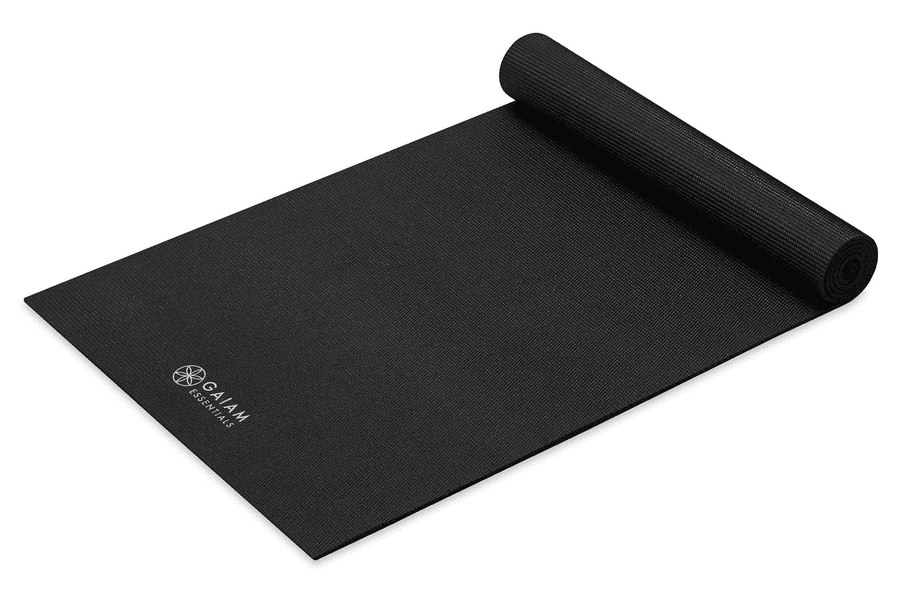
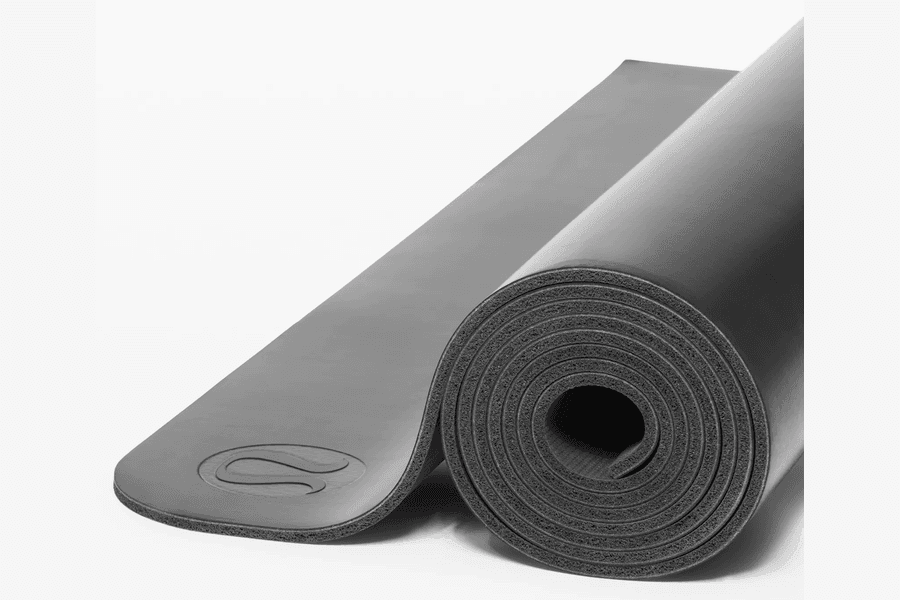
There is $106 between these, which is enough to buy five Gaiams. The Essentials is 6 mm of soft PVC foam, 72 by 24 inches, sold with a sling. The Lululemon Big Mat is 84 by 28 inches of FSC-certified natural rubber with an absorbent polyurethane face. Both will get you through a class; only one of them will still feel right in three years.
As an Amazon Associate, we earn from qualifying purchases made through links on this page. How this works
The quick answer
The Big Mat is a much better mat and a much bigger commitment. The polyurethane top holds a damp palm where foam gives up, the rubber underside does not slide, and 84 by 28 inches is more floor than almost anything else on sale. It weighs 7.1 pounds, needs seven feet of clear space, and costs $128.
The Gaiam Essentials is the right answer for a lot of people anyway. Six millimetres of foam is kinder to knees than the Lululemon's 5 mm, it weighs 3.5 pounds, the sling is included, and at a $22.13 list price it is the cheapest credible mat in the category. Expect it to slide when you sweat and to dent where you kneel.
Get the Gaiam Essentials if...
- You are new to yoga or practice occasionally
- You want maximum cushion for the least money
- Your practice space or your storage is small
- You need a latex-free mat
Get the Lululemon Big Mat if...
- You want 84 by 28 inches of floor
- You sweat and need a surface that absorbs it
- You practice often enough that the mat has to last
- You want natural rubber rather than PVC foam
Side by side
Price
The Gaiam Essentials lists for about $106 less.
$22.13
List price · check price at Amazon
$128
List price · check price at lululemon.com
Thickness
The Gaiam Essentials is 20% thicker.
6 mm0.24″
5 mm0.2″
Weight
The Gaiam Essentials is 3.6 lbs lighter.
3.5 lbs1.59 kg
7.1 lbs3.2 kg
Size
The Big Mat is 12″ longer; the Big Mat is 4″ wider.
Same on both
- Around 5 to 6 mm underfoot
- Neither needs breaking in
- Both are usable either way up
- Both come in a small range of plain colors
Full specs
Dimensions
Materials & build
Buying
A $106 gap and what sits inside it
The Gaiam Essentials is 6 mm of soft PVC foam, 72″ × 24″, sold with a sling at a $22.13 list price. The Lululemon Big Mat pairs an absorbent polyurethane face with an FSC-certified natural rubber base, 84″ × 28″, at $128.
Both of these will get you through a class. Only one of them will still feel right in three years, and only one of them will fit in a small living room.
Twelve inches longer and four wider
The Big Mat needs about seven feet by two and a half of clear floor, which rules out plenty of apartments once the furniture is accounted for, and it will not fit in most studio cubbies. If you are tall or broad, or you are tired of a hand landing off the edge in a wide plank, that extra area is the main thing you are buying.
The Gaiam at 72 by 24 inches is normal-sized and stores anywhere. Twenty-four inches is narrow by current standards, and 72 covers most people up to about six feet. It is the more practical mat for a small space by some distance.
Absorbing against a sticky finish
The Big Mat’s polyurethane face soaks moisture up rather than shedding it. GearLab scored the standard-size version of the same mat 6.5 out of 10 dry and 4.5 wet, so it is decent rather than a grip specialist, and it took a Top Pick award for mixed fitness routines rather than for traction.
The Gaiam’s textured sticky PVC holds fine while you are dry. GearLab measured Gaiam’s comparable 6 mm foam at 6 dry and 4 wet. The numbers look close; in practice the gap is wider, because soft foam also starts moving under you once the surface is slippery, while the Lululemon’s rubber base stays put.
The cheap mat is the softer one
Six millimetres of soft foam against five of firmer rubber and PU, and the Gaiam is the kinder surface for kneeling and forearm work. If sore knees are your limiting factor, the $22 mat genuinely does that one job better.
The Lululemon is more stable for the same reason it is less soft: firm material does not compress under a standing foot. GearLab scored the standard version 10 out of 10 for comfort and support, the top score in its test, which is measuring that combination of thickness and steadiness rather than plushness.
Both practise either way up, for different reasons
The Gaiam Essentials has the same textured finish on both faces, so you can flip it when one side gets grubby. That is a small convenience on a cheap mat and it is worth knowing about.
The Big Mat is properly reversible: the polyurethane face for sweaty yoga, and a textured rubber underside for a drier practice or for general training. For a household mat that gets used for more than yoga, that is a real feature rather than a nicety.
Three and a half pounds against seven
The Gaiam is 3.5 pounds and comes with a sling, so it is an easy carry to a class. The Big Mat is 7.1 pounds and 84 inches of roll, which hangs badly on a shoulder strap regardless of the weight.
Lululemon designed the Big Mat as a home mat and that is where it belongs. If you want the same surface in a size you can commute with, the standard Lululemon Mat at 71″ × 26″ is the version to look at.
Foam compresses, rubber does not
Soft PVC foam takes compression set. Heels, knees and elbows leave dents that gradually stop springing back, and GearLab has found the same foam in Gaiam’s Premium mats showing compression over time. Gaiam’s lifetime guarantee is genuinely unusual at this price and it covers manufacturing defects rather than that kind of wear.
The Lululemon’s rubber and polyurethane both wear slowly, and the wear point is the absorbent face, which can go shiny under heavy use. Lululemon covers it under its Quality Promise, which has no set term and is handled case by case. Note that natural rubber means latex, so the Big Mat is out with an allergy and the PVC Gaiam is not.
Price and where to buy
A $22.13 list against $128. Check the current Essentials price on Amazon, where individual colors go on sale independently and it is often several dollars cheaper. The Big Mat is sold through lululemon.com and in stores, not on Amazon, so it rarely moves off list.
Most people should start with the Gaiam and let a few months of practice tell them whether grip, size or cushion is the thing they actually want more of. A $22 mat that turns out to be wrong has cost you almost nothing, and it still has a second life as a guest mat.
Bottom line
Get the Gaiam Essentials if you are new to this, if you practice occasionally, or if space and money are tight. It is the softest of the two, it is latex free, it comes with a sling, and it is the cheapest credible mat in the category.
Get the Big Mat if you practice at home several times a week and you have the floor for it. The absorbent top handles sweat, the reversible underside covers general training, the materials will outlast the foam by years, and 84 by 28 inches is more space than almost anyone else sells.
Gaiam Essentials 6mm
List price $22.13
Lululemon The (Big) Mat 5mm
List price $128
Frequently Asked Questions
- How much bigger is the Big Mat?
- Twelve inches longer and four wider: 84 by 28 against 72 by 24. That is a substantial amount of extra floor, and it is the main thing you are paying for. It is genuinely useful if you are tall, broad, or tired of a hand landing off the edge in a wide plank. It also means the mat will not fit in most studio cubbies and needs about seven feet of clear space at home.
- Which grips better when you sweat?
- The Lululemon, comfortably. Its polyurethane top absorbs moisture rather than shedding it, and GearLab scored the standard-size version of the same mat 4.5 out of 10 for wet grip, against 4 for Gaiam's comparable 6 mm foam. Neither is a hot yoga specialist. The gap is bigger in practice than those numbers suggest, because soft foam also moves under you once it is slippery.
- Which is more comfortable?
- The Gaiam, marginally, and only for kneeling. It is 6 mm of soft foam against the Lululemon's 5 mm of firmer rubber and PU, so knees and elbows have an easier time. The Lululemon is more stable in standing poses for the same reason, since firm material does not compress under a foot. If sore knees are your limiting factor, the cheap mat is genuinely better at that one job.
- How long does each one last?
- The Lululemon should give you years; natural rubber and PU wear slowly, and the surface is the part to watch since absorbent tops can go shiny with heavy use. The Gaiam foam takes compression set, so dents form where you kneel and the loft gradually disappears, typically over a year or two of regular use. Gaiam's lifetime guarantee covers manufacturing defects rather than that kind of wear.
- Is the Lululemon Big Mat worth $128?
- For the size and the surface, it is defensible, particularly if you practice at home several times a week. You get FSC-certified natural rubber, an absorbent top, a reversible textured underside, and dimensions almost nobody else offers. It is not the grippiest mat at the price, and Lululemon's Quality Promise is not a defined warranty term. If you only practice occasionally, it is a lot of money for floor space.
- Can I start on the Gaiam and upgrade later?
- That is what most people do and it works well. The Essentials is cheap enough that the decision costs almost nothing, and a few months of practice will tell you whether grip, size or cushion is the thing you actually want more of. Keep the old mat for guests or for travel; a $22 spare is more useful than the resale value it will never have.
Related comparisons
- YogaAccessories Extra Thick Deluxe 1/4" vs Gaiam Essentials 6mm
- Manduka GRP Adapt 2.0 vs Lululemon The (Big) Mat 5mm
- Manduka eKO Long vs Lululemon The (Big) Mat 5mm
- Gruper TPE 6mm vs Gaiam Essentials 6mm
- Amazon Basics 1/4 Inch Thick TPE vs Gaiam Essentials 6mm
- Manduka GRP Adapt 2.0 Long vs Lululemon The (Big) Mat 5mm
- Manduka eKO vs Lululemon The (Big) Mat 5mm
- Manduka PROlite Long & Wide vs Lululemon The (Big) Mat 5mm
- Manduka PROlite Long vs Lululemon The (Big) Mat 5mm