Yoloha Unity Pro Cork vs Gaiam Essentials 6mm: Which One Should You Buy?
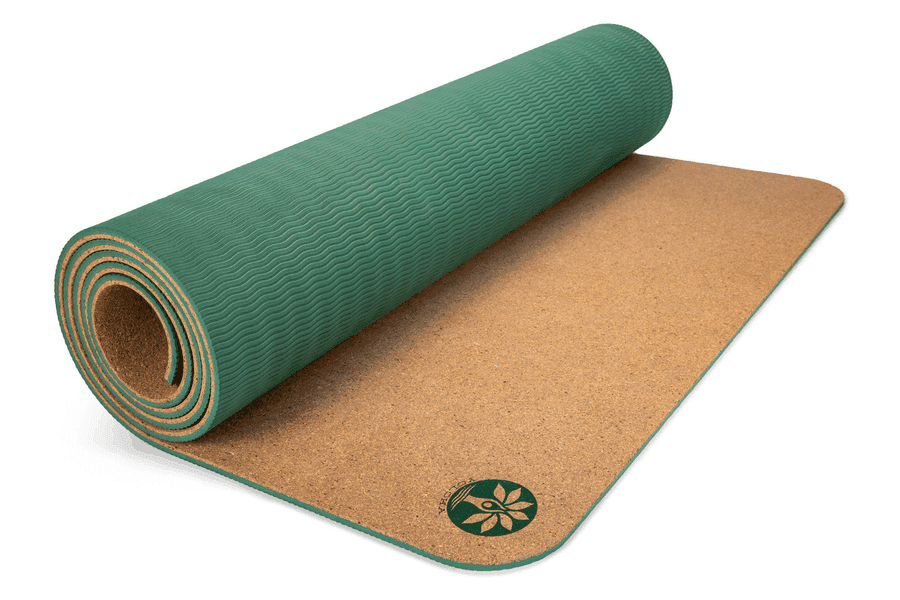
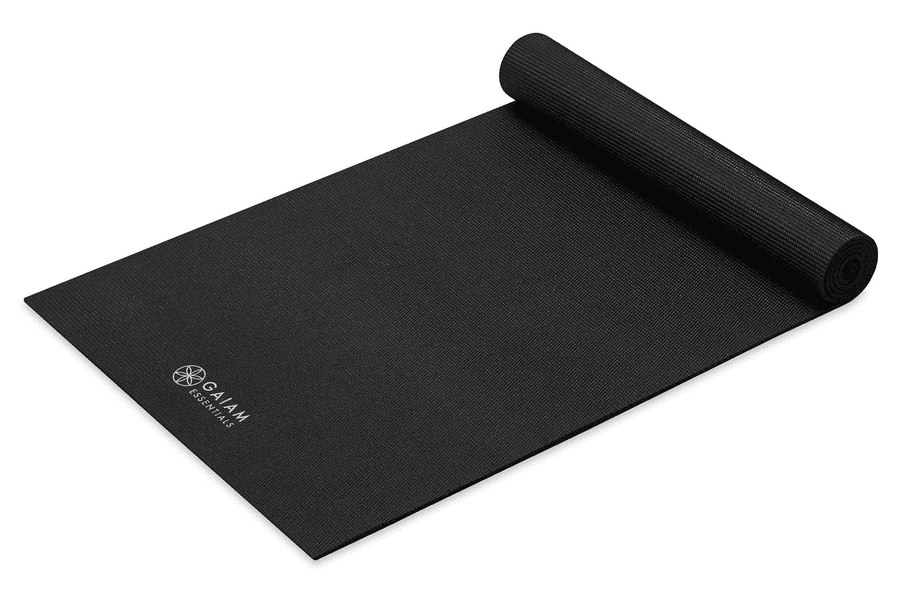
Same thickness, and about $137 apart. The Yoloha Unity Pro is cork bonded with natural rubber over a plant-based foam base, made in the USA, and its grip improves as it picks up moisture. The Gaiam Essentials is soft PVC foam, 72 inches long, sold with a carrying sling at a $22.13 list price. This is as wide a price gap as we cover, so the question is what the extra money is actually doing.
As an Amazon Associate, we earn from qualifying purchases made through links on this page. How this works
The quick answer
The Yoloha is the better mat in the ways that matter during a sweaty class. Cork gets grippier as moisture arrives instead of slicker, it is 26 inches wide against 24, it does not take the compression dents that flatten foam, and it is made in the USA. It weighs 7 pounds, GearLab scored its care and cleaning 5 out of 10 (the lowest of 19 mats), and cork's grain divides people.
The Gaiam is the more sensible buy for most people starting out. Six millimetres of soft foam is kinder to knees than the firm Yoloha, the sling is included, Gaiam puts a lifetime guarantee behind it, and at a $22.13 list price you could replace it six times for the cost of one Unity Pro. It slides once your palms are damp.
Get the Yoloha Unity Pro if...
- You sweat and want grip that improves rather than fails
- You want 26 inches of width and a firmer, more stable surface
- You want a mat made in the USA from plant-based materials
- You want a mat that will not dent where you kneel
Get the Gaiam Essentials if...
- You are new to yoga or practice occasionally
- You want the most cushion for the least money
- You want a 3.5 pound mat with a sling included
- You need a latex-free mat
Side by side
Price
The Gaiam Essentials lists for about $137 less.
$159
List price · check price at yolohayoga.com
$22.13
List price · check price at Amazon
Thickness
Identical thickness.
6 mm0.24″
6 mm0.24″
Weight
The Gaiam Essentials is 3.5 lbs lighter.
7 lbs3.2 kg
3.5 lbs1.59 kg
Size
Same length; the Unity Pro is 2″ wider.
Same on both
- 6 mm thick
- No break-in period on either
- Both are firm enough to stand on without wobbling badly
- Both should be dried flat and kept out of the sun
Full specs
Dimensions
Materials & build
Buying
- Long80" × 26"
- XL84" × 30"
Same 6 mm, about $137 apart
The Yoloha Unity Pro is cork bonded with natural rubber over a plant-based foam base, 26″ wide, made in the USA, at $159. Its grip works on a principle nothing else here uses: it improves as the surface picks up moisture.
The Gaiam Essentials is soft PVC foam, 72″ long, sold with a carrying sling at a $22.13 list price. This is about as wide a price gap as we cover, so the only interesting question is what the extra money is actually doing.
Cork wakes up when you sweat; foam gives up
Cork’s texture, combined with the rubber it is bonded to, holds traction as moisture arrives. That is the opposite of what soft PVC does and it is the reason to consider a cork mat at all. Be precise about how good it is: OutdoorGearLab scored the Unity Pro 7.5 out of 10 dry and 6 wet, and ranked it tenth of nineteen overall at 66 points. Yoloha’s own claim of an unmatched non-slip surface needing no towel is the brand’s product copy rather than a test result.
The Gaiam has a textured sticky finish that holds fine while your hands are dry. GearLab measured Gaiam’s comparable 6 mm foam at 6 out of 10 dry and 4 wet, and that is about the ceiling. Soft foam also shifts under a standing foot once it is slippery, so you lose grip and stability at the same time.
The cheap mat is the softer one
Both are 6 mm, and they feel nothing alike. Soft PVC foam compresses a long way, so knees, elbows and spine have an easier time on the Gaiam. For gentle or restorative practice that is a genuine advantage over a mat costing seven times as much.
GearLab described the Yoloha’s build as extra-firm and scored its comfort 7 out of 10. Cork over a firm base gives you support rather than cushioning. That makes it the more stable mat to stand on and the less forgiving one to kneel on.
Cork divides people
Cork has a visible grain and a slightly abrasive feel that is noticeable on bare knees and shins. Some people love it and describe it as the most alive surface they have practised on; it is also the most common complaint in owner reviews of cork mats.
The Gaiam’s foam is smooth and soft, and on that specific point it is the more pleasant surface. If you have never touched cork, it is worth doing before spending $159.
The expensive mat is the harder one to look after
Cork is porous, so it cannot take a soaking or a heavy spray. GearLab rated the Unity Pro 5 out of 10 for care and cleaning, the lowest score among the nineteen mats in its test. The routine is a barely damp cloth and thorough flat air drying, out of the sun.
The Gaiam wipes clean in seconds and GearLab scored Gaiam’s comparable foam 8 out of 10 on the same measure. If you practice four times a week, that difference adds up more than the spec sheet suggests.
Width, and a length to check before you order
The Yoloha is 26″ wide against the Gaiam’s 24″, which is the difference between a hand landing on the mat in a wide stance and landing on the floorboards. Lengths are the same at 72 inches. Yoloha also sells an 80″ version at $179 and an 84″ × 30″ at $219.
One thing to watch on the Gaiam: two different lengths are sold under the same name. Amazon carries the 72″ and includes the sling; gaiam.com lists a shorter 68″ for less. Read the dimensions in whichever listing you are buying from.
Cork holds up; foam compresses
The Unity Pro’s cork face came through GearLab’s test period intact, and cork resists the compression that flattens foam. The open question is the plant-based foam base and the bond between layers over years of heavy use. Yoloha offers 30 day returns and no warranty, so you are relying on the material.
The Gaiam’s foam takes compression set. Heels, knees and elbows leave dents that gradually stop springing back, and GearLab has found the same foam in Gaiam’s Premium mats showing compression over time. Gaiam advertises a lifetime guarantee, which is unusual at this price and covers manufacturing defects rather than that kind of wear.
Plants against plastic, and the latex question
The Yoloha is cork, natural rubber and plant-based foam, made in the USA, which is an unusual combination at any price. It also means latex, so it is off the list for anyone with a genuine allergy.
The Gaiam is PVC, listed as latex free and 6P-free, so it is the safe option there. PVC is a plastic with an unappealing end of life, and that is the honest cost of the price. Neither mat carries a third-party certification.
Price and where to buy
$159 against a $22.13 list. The Gaiam is on Amazon, usually for a few dollars under that list, and the exact figure depends on which color you pick. The Unity Pro is sold through yolohayoga.com and is not on Amazon.
You could buy the Gaiam seven times for the price of one Yoloha. If you practice twice a month in a cool room, that arithmetic is the whole answer. If you practice four times a week and sweat, the mat you actually enjoy using is worth the difference.
Bottom line
Get the Gaiam Essentials if you are starting out, if you want the most cushion for the least money, or if you need a latex-free mat. It is comfortable, it is easy to clean, the sling is included, and it is the cheapest credible mat in the category. Plan on a towel if you sweat.
Get the Unity Pro if you sweat and want a surface that improves rather than fails, if you want 26 inches of width, or if a USA-made cork mat is the object you want to own. Accept the seven pounds and the careful cleaning. If hot yoga is your whole practice, a mat built for it like the Manduka GRP Adapt 2.0 scored higher than the cork in the same test.
Yoloha Unity Pro Cork
List price $159
Gaiam Essentials 6mm
List price $22.13
Frequently Asked Questions
- Does cork actually grip better when you sweat?
- It grips differently, and better than foam does. Cork's texture combined with the rubber it is bonded to holds traction as moisture arrives, which is the opposite of what soft PVC does. Be precise about how good, though: OutdoorGearLab scored the Unity Pro 7.5 out of 10 dry and 6 wet, tenth of 19 overall. Yoloha's own claim of an unmatched non-slip surface needing no towel is the brand's product copy rather than a test result.
- Is the Gaiam Essentials grippy enough for yoga?
- For a gentle practice in a cool room, yes. Its textured sticky finish holds well while your hands are dry. GearLab measured Gaiam's comparable 6 mm foam at 6 out of 10 dry and 4 wet, and that is about the ceiling: once your palms are damp it starts to move, and soft foam shifts under a standing foot as well, so balances feel less settled than on the cork.
- Why is the Yoloha so much harder to clean?
- Cork is porous, so it cannot take a soaking or a heavy spray. GearLab rated the Unity Pro 5 out of 10 for care and cleaning, the lowest score among the 19 mats in its test. The routine is a barely damp cloth and thorough flat air drying out of the sun. The Gaiam wipes clean easily and scored 8 out of 10 on the same measure, which is a genuine day-to-day advantage if you practice often.
- Which is more comfortable?
- The Gaiam, for kneeling. Both are 6 mm, but soft PVC foam compresses far more than cork over a firm base, so knees and elbows have an easier time on the cheap mat. GearLab described the Yoloha's build as extra-firm and scored its comfort 7 out of 10. The Yoloha is the more stable of the two to stand on, which is the flip side of the same property.
- Does the cork surface bother bare knees?
- For some people, yes. Cork has a visible grain and a slightly abrasive feel that is noticeable in kneeling poses, and it is the most common complaint in owner reviews of cork mats. If you have never touched one, it is worth doing before spending $159. The Gaiam's foam is smooth and soft, and on that specific point it is the more pleasant surface.
- Which lasts longer?
- The Yoloha, comfortably. Cork resists the compression that eventually flattens foam, and its face came through GearLab's test period intact. The Gaiam's foam takes compression set, so dents form where you kneel and the loft gradually disappears over a year or two of regular use. Gaiam's lifetime guarantee covers manufacturing defects rather than that kind of wear, and Yoloha offers 30 day returns and no warranty at all.
Related comparisons
- YogaAccessories Extra Thick Deluxe 1/4" vs Gaiam Essentials 6mm
- Gruper TPE 6mm vs Gaiam Essentials 6mm
- Amazon Basics 1/4 Inch Thick TPE vs Gaiam Essentials 6mm
- Yoloha Unity Pro Cork vs Manduka PRO Terra 6mm
- Manduka PRO Long vs Yoloha Unity Pro Cork
- Manduka PRO vs Yoloha Unity Pro Cork
- JadeYoga Harmony XW vs Yoloha Unity Pro Cork
- Alo Warrior vs Yoloha Unity Pro Cork
- Yoloha Unity Pro Cork vs b, halfmoon B Mat Strong 6mm