Alo Warrior vs Yoloha Unity Pro: Which One Should You Buy?
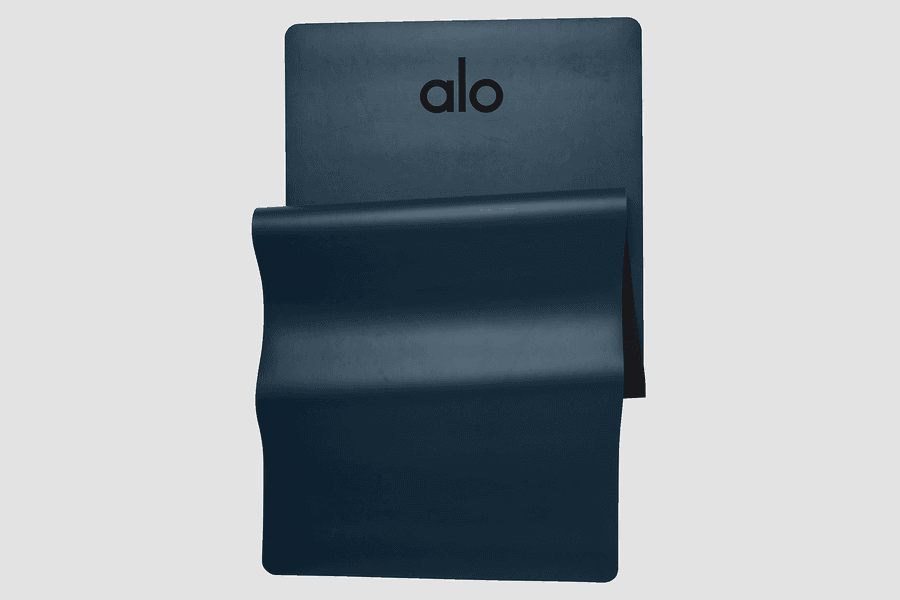
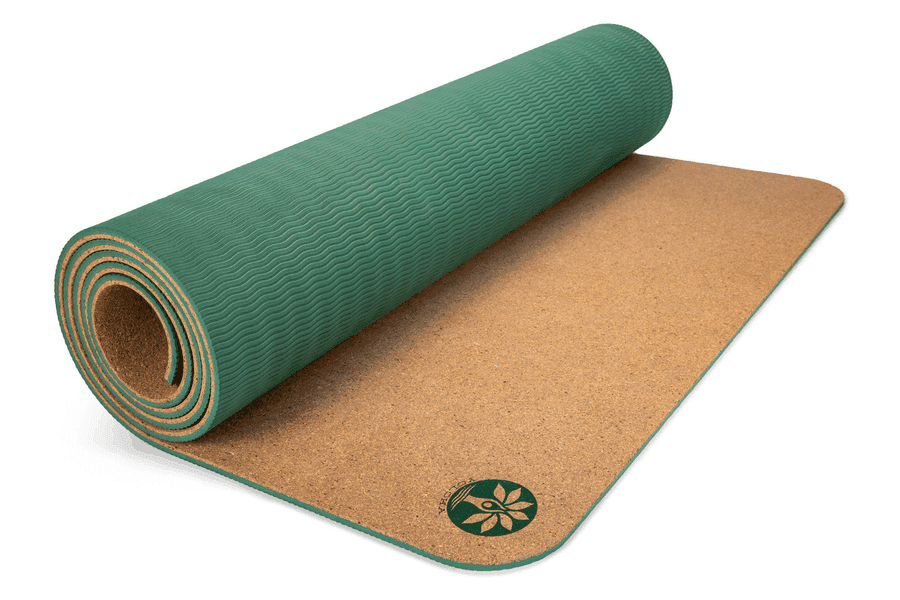
At $148 and $159 these two premium mats chase the same buyer with different sensibilities. The Alo Warrior is the fashion label's mat: a plush, matte polyurethane-leather surface over natural rubber that looks as good in a bright studio as it does online. The Yoloha Unity Pro is the craft option: cork and rubber over plant foam, made in the USA, firm and grainy and unmistakably natural. Neither is the best grip money can buy, so this one comes down to feel, size, and values.
As an Amazon Associate, we earn from qualifying purchases made through links on this page. How this works
The quick answer
In OutdoorGearLab's 19-mat test they landed close, 66 of 100 for the Yoloha and 62 for the Warrior, and neither impressed on wet grip: 6 of 10 for the cork, 4.5 for the Alo. The Warrior is the plusher, softer mat and the bigger standard cut at 74.4 by 26.4 inches; the Yoloha is the firmer, more stable one with the greener build and sizes up to 84 by 30.
Get the Warrior for a mostly unheated practice where comfort and looks lead. Get the Yoloha if you want natural materials, a planted platform for balances, or a genuinely oversized mat. If sweat is the deciding factor, neither should top the shortlist; that's the GRP Adapt 2.0 conversation.
Get the Alo Warrior if...
- You want plush cushioning for knees, floor work, and long holds
- A smooth matte surface appeals more than grainy cork against your skin
- You'd like to try the mat in person at an Alo store before buying
- Looks matter and the muted colorways fit your space
Get the Yoloha Unity Pro if...
- You'd trade plushness for a firmer, more stable platform
- You want the slightly better wet-grip result of the two
- Renewable cork, plant foam, and USA manufacture are worth paying for
- You need real size: an 80″ Long or the 84″ × 30″ XL
Side by side
Price
The Warrior lists for $11 less.
$148
List price · check price at aloyoga.com
$159
List price · check price at yolohayoga.com
Thickness
The Unity Pro is 20% thicker.
5 mm0.2″
6 mm0.24″
Weight
The Unity Pro is 1 lbs lighter.
8 lbs3.6 kg
7 lbs3.2 kg
Size
The Warrior is 2.4″ longer; the Warrior is 0.4″ wider.
Same on both
- Premium prices within $11 of each other
- Neither sells on Amazon with the brand's backing
- 30 day returns and no written warranty on either
- Natural rubber content rules both out for latex allergies
- Heavy mats, around 7 to 8 pounds, happiest living where you practice
Full specs
Dimensions
Materials & build
Buying
- Long84" × 26"
- Long80" × 26"
- XL84" × 30"
A fashion label and a surf shop walk into a studio
These two premium mats court the same buyer with opposite sensibilities. The Alo Warrior is the fashion brand’s mat: a plush, matte polyurethane-leather top over natural rubber, oversized at 74.4″ × 26.4″, designed to look as good unrolled as it feels underfoot. The Yoloha Unity Pro comes out of a California cork-goods shop: cork and rubber over plant-based foam, made in the USA, firm and grainy and unmistakably natural.
At $148 and $159 the prices barely separate them, and neither one is the grip champion of its price class. So the decision runs on feel, size, and what you want your money to stand for, and those differences are real.
Grip: close scores, modest ceilings
OutdoorGearLab’s current 19-mat test put them a few points apart, 66 of 100 for the Yoloha and 62 for the Warrior, and neither impressed once things got wet: 6 of 10 for the cork against 4.5 for the Alo. The Warrior’s record is genuinely mixed, since T3’s reviewer found it stayed grippy through sweaty flows and HIIT sessions while the standardized test rated it below average. The Yoloha’s cork firms up with light moisture, helped along by the water-spritz routine Yoloha itself recommends, but testers kept a towel nearby once real sweat pooled.
Read that as: either mat handles damp palms in a warm class, neither is the mat to buy for hot yoga specifically. The mat built and proven for that job is Manduka’s GRP Adapt 2.0, and our GRP Adapt 2.0 vs Warrior and GRP Adapt 2.0 vs Yoloha pages cover both of those match-ups.
Feel: plush leather against firm cork
This is where the two philosophies land on your skin. The Warrior is the soft one, with a spongy give that flatters kneeling poses, floor work, and long restorative holds; its matte surface is smooth and faintly leather-like, and nothing about it registers during transitions. The Yoloha is extra-firm, ranked by GearLab among the most stable mats it tested, and its cork grain is a texture you feel in every plank.
Neither feel is wrong, and neither converts the other’s fans. Floor-heavy, comfort-first practices read better on the Warrior; standing balances and practitioners who like a grounded, unmoving platform read better on the cork. If you can put a hand on both surfaces before buying, do; this is the least spec-able difference on the page.
Size and weight: big, bigger, and heavy either way
The Warrior’s standard cut is already oversized at 74.4″ × 26.4″, a real advantage over ordinary 68″ mats if you are tall. The Yoloha standard is 72″ × 26″, but its range goes further: an 80″ Long and an 84″ × 30″ XL that out-sizes anything Alo makes short of the 84″ Long Warrior. For maximum floor territory, the Yoloha XL is the biggest option between these brands.
Both are commit-to-home mats. The Yoloha weighs 7 pounds and the Warrior about 8 by Alo’s spec. Plan for whichever you buy to live where you practice, and if a daily commute is part of the picture, lighter mats like the Lululemon The Mat deserve a look first.
Materials and values
Yoloha builds its whole pitch here: 83 percent USDA-certified renewable materials by its own count, fully vegan, no PVC or plasticizers, manufactured in the USA. Alo’s pitch is design and feel; the Warrior’s leather is polyurethane rather than animal hide, so it is vegan-friendly in practice, but the mat is made in China and Alo doesn’t hang its marketing on materials.
Neither carries a third-party certification, so both stories rest on brand trust. And both sit on natural rubber, which rules both out for a genuine latex allergy; that buyer should be looking at polyurethane-over-synthetic or PVC mats instead.
Durability and care: 30 days of backing on both
Both brands stand behind these mats for only about 30 days, and both wear their tops as the first failure point. The Warrior’s polyurethane leather scuffs and stains over years of heavy use, and sweat marks darken the lighter colorways; dark colors age visibly better. The Yoloha’s cork face held up through GearLab’s testing and wipes clean easily, which is one of cork’s quiet advantages as a surface you sweat on.
The care rules are identical in spirit: wipe down after wet sessions, dry fully before rolling, no harsh cleaners, and keep both away from hot cars and direct sun, which hardens rubber and plant foam. Treat either as performance gear with a lifespan measured in years, not decades.
Where to buy
Neither mat has a first-party Amazon listing. The Warrior sells through Alo’s site and Alo’s retail stores, which is a genuine advantage if one is near you, since you can stand on the mat before paying for it. Amazon listings for the Warrior are third-party resellers without Alo behind them.
The Yoloha sells direct through yolohayoga.com, in natural cork at $159 or printed art designs for about $30 more at last check. Note the return fine print: free return shipping covers the two smaller sizes, not the 84″ XL.
Price and value
Eleven dollars separates the list prices, so money decides nothing here. What you are choosing between is where the value lands: the Warrior spends it on plushness, looks, and an oversized standard cut; the Yoloha spends it on renewable materials, USA manufacture, stability, and a size range that runs to genuinely huge.
Neither purchase is protected past its return window, and both tops wear with heavy use, so buy the one whose daily feel you will actually enjoy rather than the one that seems more sensible on paper. At this price, feel is the product.
Bottom line
Get the Warrior for a mostly unheated practice where comfort leads: it is the plusher mat, the bigger standard cut, and the better-looking object, with an in-store try-on available if an Alo store is nearby. Accept the mediocre wet-grip score and the roughly 8 pound carry.
Get the Yoloha if natural materials, USA manufacture, or an extra-firm platform speak to you, or if you want the 84″ × 30″ XL that nothing at Alo matches. It edged the Warrior in testing and wipes clean more gracefully. And if peak sweat performance is what you actually need, neither is the answer; our Liforme vs Yoloha page covers the grippiest mat in this price class.
Alo Warrior
List price $148
Yoloha Unity Pro Cork
List price $159
Frequently Asked Questions
- Is the Alo Warrior good for hot yoga?
- Its record is mixed. T3's reviewer found the Warrior stayed grippy through sweaty flows and HIIT sessions, but OutdoorGearLab's standardized wet-grip test scored it 4.5 of 10, below the test average. The Yoloha did somewhat better at 6, with a water-spritzing routine recommended to wake the cork up. If heated classes are your normal, the honest move is a mat that tested at the top for exactly that, like Manduka's GRP Adapt 2.0.
- What does the cork surface actually feel like?
- Grainy and organic, closer to a cork board than to the smooth tops most premium mats wear. Some practitioners genuinely love the texture underfoot and under hand; others never warm to it. It's the one thing product photos can't tell you, so if there's any way to touch cork before committing $159, take it. The Warrior's polyurethane leather is the opposite: smooth, matte, and soft, with no texture to divide opinion.
- Which mat is easier to live with day to day?
- Neither is a commuter. The Yoloha weighs 7 pounds and the Warrior about 8 by Alo's spec, so both are mats you plan around rather than toss over a shoulder. Cork wipes clean easily and shrugs off dirt, which owners appreciate. The Warrior's top wants a wipe-down after sweaty sessions, and sweat marks can darken the lighter colorways over time; dark colors age better.
- How durable are they?
- Both wear their top surfaces as the first failure point, and both brands back their mats for only about 30 days, which tells you how they see it. The Warrior's polyurethane leather scuffs and stains with years of heavy use, like every PU-topped mat. The Yoloha's cork face came through GearLab's testing intact, but heat and sun harden its materials, so hot cars and sunny windows are off-limits for either mat.
- What sizes do these come in?
- The Warrior's standard cut is already oversized at 74.4 by 26.4 inches, and Alo sells an 84 inch Long version. The Yoloha standard is 72 by 26, with an 80 inch Long and a genuinely huge 84 by 30 XL; note that Yoloha's free return shipping doesn't extend to the XL. If maximum floor space is the goal, the Yoloha XL is the biggest mat on this page.
- Are these mats vegan?
- Yes, effectively. The Warrior's leather is polyurethane, a synthetic, not animal hide, and Yoloha explicitly markets the Unity Pro as fully vegan with no PVC or plasticizers. The distinction is emphasis: Yoloha builds its pitch around materials, 83 percent USDA-certified renewable by its count, while Alo's pitch is feel and design. Both sit on natural rubber, so neither is safe for a latex allergy.
Related comparisons
- JadeYoga Harmony XW vs Alo Warrior
- Manduka PROlite Long & Wide vs Alo Warrior
- Manduka PRO vs Alo Warrior
- Manduka PRO vs Yoloha Unity Pro Cork
- Manduka GRP Adapt 2.0 Long vs Alo Warrior
- Manduka PRO Long vs Yoloha Unity Pro Cork
- JadeYoga Harmony XW vs Yoloha Unity Pro Cork
- Manduka eKO Long vs Alo Warrior
- Alo Warrior vs Lululemon The (Big) Mat 5mm