Manduka PROlite vs Yoga Design Lab Combo: Which One Should You Buy?
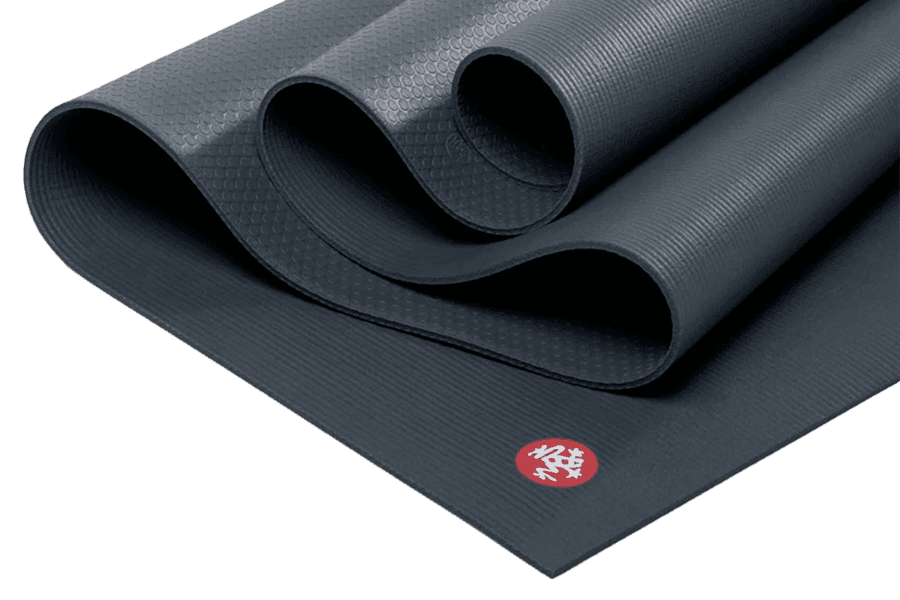
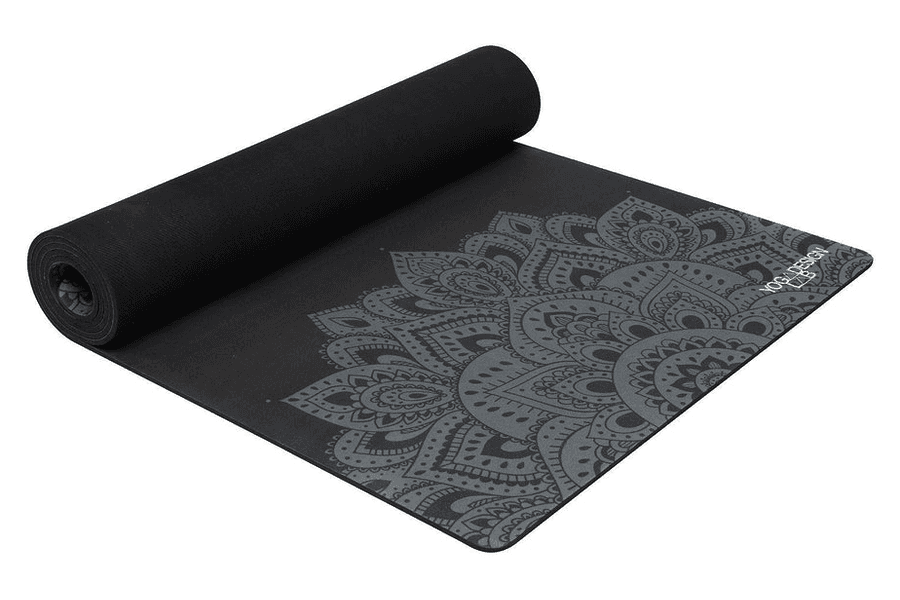
Five dollars separate these, which is as close to a pure preference test as this category offers. The Manduka PROlite is 4.7 mm of dense German PVC that arrives slick, comes good after a month, and then runs for about a decade. The Yoga Design Lab Combo takes the opposite approach: a microfiber towel laminated onto thin rubber, printed with one of 19 designs, and washable in a machine.
As an Amazon Associate, we earn from qualifying purchases made through links on this page. How this works
The quick answer
The PROlite is the more supportive and far more durable mat: denser, an inch longer, and backed by a guarantee written in years rather than days. The Combo is the more practical one for a specific kind of practitioner, the one who already uses a towel, sweats enough to activate microfiber, and wants to stop managing two objects.
Grip is where they separate on the record. GearLab rated the Combo 4 out of 10 wet and dry, the lowest of any premium mat in a 19-mat test. The PROlite grips well once broken in and gives up entirely once your palms are damp. Neither is a hot yoga answer; pick on longevity or on laundry.
Get the Manduka PROlite if...
- You want a mat you buy once and stop thinking about
- You want a firmer, more supportive platform for balance work
- You have a latex allergy; the Combo sits on natural rubber
- You practice dry, where a broken-in PVC surface is all you need
Get the Combo if...
- You already practice on a towel and want it built in
- You want to machine wash the mat on a gentle cycle
- You want a printed design instead of a solid color
- You want a carry strap in the box and slightly more length
Side by side
Price
The PROlite lists for $5 less.
$112
List price · check price at Amazon
$117
List price · check price at Amazon
Thickness
The PROlite is 34% thicker.
4.7 mm0.19″
3.5 mm0.14″
Weight
The PROlite is 0.3 lbs lighter.
4.6 lbs2.1 kg
4.9 lbs2.2 kg
Size
The PROlite is 1″ longer; same width.
Same on both
- Both are 24 inches wide, narrower than most modern mats
- Both are easy carries under 5 pounds
- Both are firm rather than plush
- Both sell on Amazon as well as direct
Full specs
Dimensions
Materials & build
Buying
- Short68" × 24"
- Long79" × 24"
- Long & Wide79" × 30"
- Combo 5.5mm70" × 24"
- Combo Flow 1.5mm70" × 24"
Five dollars apart, and nothing else in common
$112 against $117 removes price from the conversation almost entirely, which is rare and useful. What is left is a genuine philosophical split.
Manduka sells the PROlite as equipment: 4.7 mm of dense German PVC that arrives slick, comes good after a month, and then runs for about a decade. Yoga Design Lab sells the Combo as a solution to a specific annoyance: it bonds a recycled microfiber towel to a 3.5 mm rubber base so the towel can never slide out from under you, prints it, and lets you put the whole thing in the wash.
Grip: two mats that fail in opposite conditions
The PROlite needs a few weeks before it grips at all, then holds confidently with dry hands and keeps improving for years. Closed-cell PVC absorbs nothing, so once your palms are damp the traction goes, which is why Manduka sells towels cut to the mat’s dimensions.
The Combo is the mirror image. Dry microfiber slides; wet microfiber grips. GearLab’s standardized testing rated it 4 out of 10 both wet and dry, the lowest of any premium mat in its 19-mat field, and the testers wrote that it was more slippery than they hoped for during practice. Yoga Design Lab’s own listings carry thousands of reviews averaging close to five stars, plenty from hot yoga practitioners.
Both accounts describe the same mat honestly. If you sweat enough to soak the surface, the Combo works and the PROlite doesn’t. If you practice dry, the broken-in PROlite works and the Combo will feel like a rug.
Support: density against thinness
The PROlite gives a millimeter under a hand and then holds, which is what a standing balance wants. GearLab rated the Combo 6 out of 10 for comfort and support, and 3.5 mm with a fabric layer on top doesn’t do much for wrists and knees on a hard floor.
If cushion is the sticking point, the cheaper fix is inside the Yoga Design Lab line: the same Combo comes in 5.5 mm at $131. Nothing in that range matches the PROlite for firmness, though, because firmness here comes from density rather than height.
The washing machine
This is the Combo’s clearest advantage and it’s worth taking seriously. Yoga Design Lab asks for hand washing where possible, but allows a low-agitation machine cycle with mild soap in a drum without a center post. For anyone currently laundering a yoga towel every week, that chore folds into the mat itself.
The PROlite takes a cloth and a mild cleaner and never needs more, because a closed PVC surface absorbs nothing in the first place. Two different solutions to the same hygiene problem, and which one suits you depends on how much you sweat into a mat.
Size and weight
The PROlite is 71″ × 24″ and the Combo 70″ × 24″, so the Manduka is an inch longer at the same width. Both are 24 inches wide, narrow by current standards, and GearLab listed narrowness among the Combo’s drawbacks.
Weight is close: 4.6 pounds against 4.9 listed, 4.6 on GearLab’s scale, with a carry strap in the Combo’s box that Manduka doesn’t include. If you need more room, the PROlite line goes to a 79″ Long and a 79″ × 30″ Long & Wide; the Combo doesn’t change footprint at all.
Durability: a decade against seasons
Dense PVC is close to inert. Manduka’s lifetime guarantee works out to roughly ten years of regular use with one replacement, from a seller it recognizes, and mats in this family keep turning up in studios long after purchase.
The Combo is a textile bonded to rubber, and textiles pill, fade and lose loft with washing. GearLab rated its materials 5 of 10 and noted it collects lint. Yoga Design Lab takes back unused mats within 30 days and offers no warranty, so once you have practiced on it, it’s yours. Owners get several good years from one; nobody reports a decade.
Materials, allergies, and looks
The PROlite is PVC with an OEKO-TEX Standard 100 certification and no natural rubber, which makes it safe with a latex allergy. The Combo sits on natural rubber, so it isn’t.
Appearance runs the other way, and decisively. The Combo prints recycled PET microfiber with water-based inks over that rubber base, with 19 designs in the 3.5 mm at last check. The PROlite comes in solid colors, around 13 of them, and looks the same in year five as in month one because nothing soaks into it.
Price and value
Both sell on Amazon as well as direct. Check the current price on the PROlite at Amazon and the Combo at Amazon, since both move with colorway sales.
With five dollars between them, the value question is really about what you’d otherwise buy. If your alternative is a mat plus a good yoga towel, the Combo replaces both for one price. If your alternative is replacing a worn mat every few years, the PROlite is the last one you buy for a long time.
Bottom line
Buy the PROlite if you want support, stability and a mat that outlives the decision. It’s firmer, longer, latex free, and the only one of the two making any promise about the future. Give it a month before you judge the grip.
Buy the Combo if you already practice on a towel, sweat enough to activate microfiber, and would rather launder a mat than wipe it. Go in knowing testers found it slippery dry and that 3.5 mm is thin on hard floors. If sweat rather than laundry is your actual problem, our GRP Adapt 2.0 vs Combo page covers the mat built for it.
Manduka PROlite
List price $112
Frequently Asked Questions
- Which one grips better?
- It depends entirely on how much you sweat, which is the unusual part. The PROlite needs a few weeks before it grips at all, then holds well with dry hands and slides once your palms are damp. The Combo is the reverse: a dry microfiber surface slides, and a soaked one grips. GearLab's standardized testing scored it 4 out of 10 both ways and called it more slippery than they hoped for, while its own listings carry thousands of reviews averaging close to five stars, many from hot yoga practitioners. Both accounts describe the same mat.
- Is 3.5 mm too thin?
- On tile or concrete, probably. GearLab rated the Combo 6 out of 10 for comfort and support, and a thin mat with a fabric layer does not do much for wrists and knees on hard floors. The PROlite's 4.7 mm of dense PVC supports more than the extra millimeter suggests, because density does more work than height. Yoga Design Lab also sells the same Combo in 5.5 mm at $131 if cushion is the sticking point.
- Can you wash either one?
- Only the Combo. Yoga Design Lab asks for hand washing where possible but allows a low-agitation machine cycle with mild soap in a drum without a center post. The PROlite gets a cloth and a mild cleaner, and it never needs more than that because a closed PVC surface absorbs nothing in the first place. If you currently launder a yoga towel every week, that chore disappears with the Combo.
- How long will each one last?
- Different orders of magnitude. Manduka's guarantee is written as roughly a decade of regular practice plus one replacement, and dense PVC does not really degrade; the surface improves with use rather than wearing away. The Combo is fabric on rubber, and fabric has a shorter life: it flattens, fades and sheds fibres in the wash, which is why GearLab put its materials at 5 of 10 and mentioned lint. Yoga Design Lab will take an unused mat back inside 30 days and offers nothing after that.
- Which is better for a beginner?
- Neither is really aimed at one. The Combo assumes you already know you practice with a towel; the PROlite asks for a month of patience and $112 before you know whether the habit sticks. A beginner who sweats is better served by a natural rubber mat, and a beginner on a budget by a $30 starter mat. Both of these are for people who have worked out what they need.
- What sizes do they come in?
- The PROlite is 71 by 24 inches with a 79 inch Long and a 79 by 30 inch Long & Wide above it. The Combo is 70 by 24 inches and does not change footprint; its other options are thicknesses, a 1.5 mm travel version around $83 and the 5.5 mm at $131. If you need a wider mat, the Manduka line has somewhere to go and the Yoga Design Lab line does not.
Related comparisons
- Manduka PROlite vs JadeYoga Harmony 74"
- Yoga Design Lab Combo 3.5mm vs b, halfmoon B Mat Everyday 4mm
- Manduka PROlite vs Lululemon The Mat 5mm
- Manduka PROlite vs JadeYoga Harmony 68"
- Manduka PROlite vs b, halfmoon B Mat Everyday 4mm
- Lululemon The Mat 5mm vs Yoga Design Lab Combo 3.5mm
- Manduka PROlite vs Suga SugaMat
- Manduka PROlite Long vs Yoga Design Lab Combo 3.5mm
- JadeYoga Harmony 74" vs Yoga Design Lab Combo 3.5mm