Lululemon The Mat vs Yoga Design Lab Combo: Which One Should You Buy?
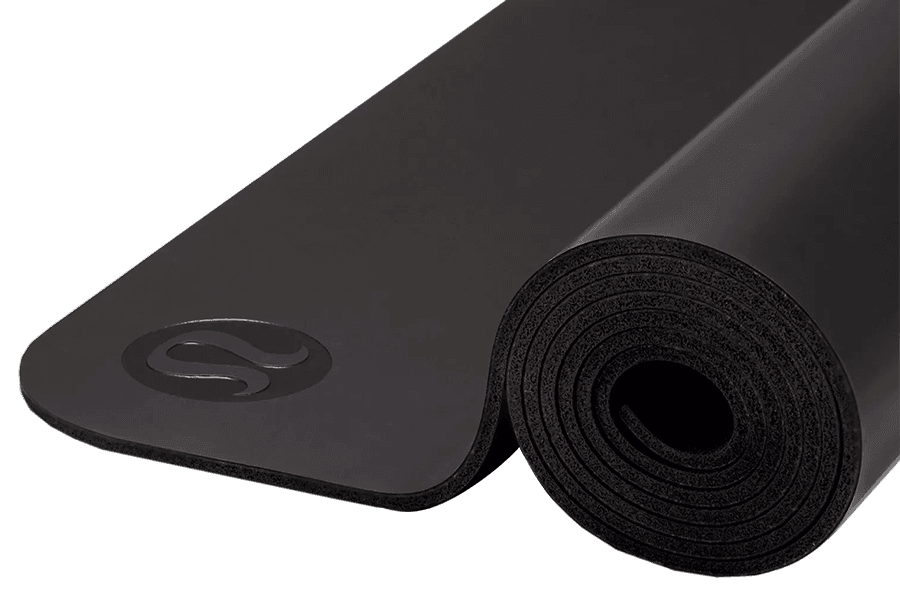
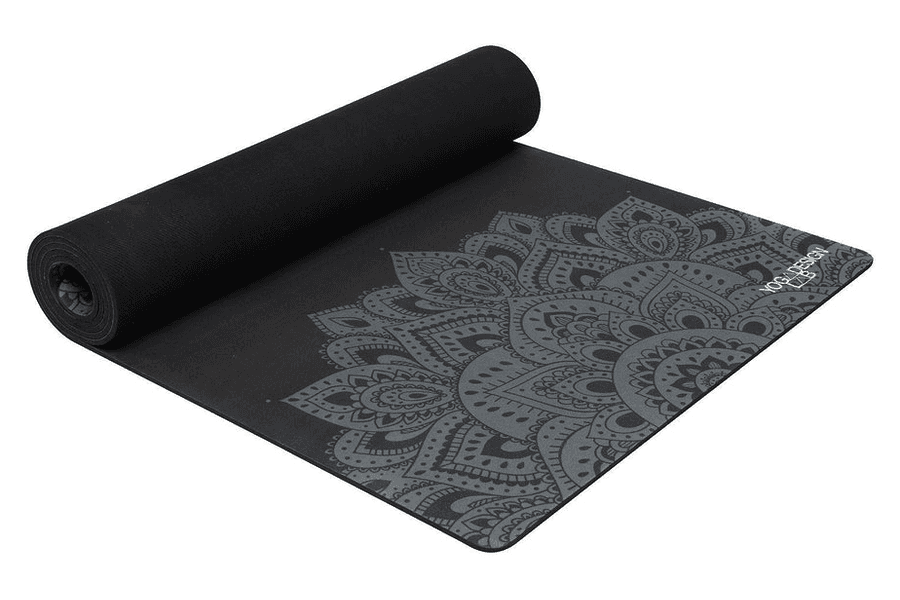
Both of these mats exist because sweat ruins traction, and they answer it in opposite ways. Lululemon bonds an absorbent polyurethane skin to a rubber base, so moisture soaks into the surface instead of pooling on it. Yoga Design Lab bonds an actual microfiber towel to a rubber base, so the mat is the towel. They're $1 apart, which means the decision is about how each one behaves, not what it costs.
As an Amazon Associate, we earn from qualifying purchases made through links on this page. How this works
The quick answer
The Lululemon is the better mat on every measure testers use: GearLab scored it 81 of 100 and fourth of 19, with a perfect 10 for comfort, against 52 and 17th for the Combo, whose grip it rated 4 out of 10 wet or dry. The Mat is also 1.5 mm thicker, 2 inches wider, and reversible. The Combo's answer is the washing machine, a strap in the box, a printed design, and a dollar back.
For most people the Lululemon is the better buy. The Combo makes sense if you already practice on a towel and want to stop managing two things, or if a machine-washable mat solves a real problem for you.
Get Lululemon The Mat if...
- You want the more cushioned, more supportive mat: 5 mm against 3.5
- You want a wider platform at 26 inches instead of 24
- You want a second surface; the textured rubber side handles dry practice
- You want the mat testers actually rank near the top of the category
Get the Yoga Design Lab Combo if...
- You already use a yoga towel and want it built into the mat
- You want to machine wash it rather than wipe it down
- You want a printed design instead of a solid color
- You want a lighter mat and a carry strap included
Side by side
Price
The Combo lists for $1 less.
$118
List price · check price at lululemon.com
$117
List price · check price at Amazon
Thickness
The Mat is 43% thicker.
5 mm0.2″
3.5 mm0.14″
Weight
The Combo is 0.3 lbs lighter.
5.2 lbs2.4 kg
4.9 lbs2.2 kg
Size
The Mat is 1″ longer; the Mat is 2″ wider.
Same on both
- Rubber base under an absorbent top layer
- Grippy with no break-in period
- Both stain or mark with heavy use
- Not safe for a latex allergy
- Both are firm rather than plush
Full specs
Dimensions
Materials & build
Buying
Two answers to the same problem
Sweat is what ruins traction, and both of these mats were built around that fact. Lululemon bonds an absorbent polyurethane skin to a rubber base, so moisture soaks into the surface instead of collecting under a palm. Yoga Design Lab bonds an actual microfiber towel to a rubber base, so the mat is the towel.
They are $118 and $117, a dollar apart, which means this comes down entirely to how each behaves and what you’re willing to live with.
Grip: the Lululemon is the safer bet
GearLab tested both in the same 19-mat lineup. The Mat scored 7 of 10 for grip and took a top pick award, with “sticky when wet” listed among its strengths. The Combo scored 4 of 10 wet and dry, the lowest of any premium mat in the field, and the testers wrote plainly that it was more slippery than they hoped for during practice.
Yoga Design Lab’s own reviews tell a friendlier story, and there are thousands of them averaging close to five stars, many from people who practice hot. Both things can be true: a soaked microfiber towel grips well and a dry one slides, so the Combo depends on your sweat to work. The Lululemon works either way, which is why it’s the easier mat to recommend without asking questions first.
Neither is the category’s hot yoga champion, for the record. That was the Manduka GRP Adapt 2.0, which grips wet without depending on a fabric layer.
The washing machine, and why it matters
This is the Combo’s strongest card. Yoga Design Lab prefers hand washing to extend the mat’s life but permits a gentle machine cycle in a machine without a center agitator, using mild soap. If your practice leaves a mat genuinely soaked several times a week, being able to launder the whole thing is a real quality-of-life upgrade.
The Mat is wipe-down only: a cloth, diluted mild soap, air dry, and regular attention if you want to stay ahead of staining. Its absorbent top keeps some of what it soaks up, which is why testers steer buyers toward darker colors. Neither mat should ever go in a dryer or a hot car.
Feel: skin against fabric
The Mat’s polyurethane face is smooth and slightly cool, closer to skin than cloth, over 5 mm of firm rubber. The Combo feels like practicing on a thin towel, because you are. Microfiber has a fabric texture that some people love immediately and others find bunches under a sliding foot.
Cushion is the measurable half of that difference. GearLab scored The Mat a perfect 10 for comfort and support against 6 for the Combo, with 5 mm against 3.5. On a wood floor the Combo is fine; on tile or concrete it’s thin under wrists and knees. Yoga Design Lab sells the same mat in a 5.5 mm version for about $14 more if that’s the sticking point.
Size and weight
The Mat is 71″ × 26″ and the Combo 70″ × 24″. Two inches of width is the meaningful gap; GearLab listed narrowness among the Combo’s drawbacks, and 24 inch mats leave a hand or foot on the floor in wide-stance work.
Weight is close. Lululemon lists The Mat at 5.24 pounds and GearLab’s scale read 5.9; the Combo lists at 4.9 and weighed 4.6 on the same scale. Call it a pound, plus a carry strap in the Combo’s box that The Mat doesn’t include. If you want a much bigger mat, Lululemon’s 84″ × 28″ (Big) Mat is $10 more than the standard size.
Durability: neither is a decade mat
The Mat wears from the top down as its polyurethane gradually loses grip, and GearLab puts the realistic lifespan at four to six years, listing “may lose grip with use” among its drawbacks. It also stains along the way, which is cosmetic but visible.
The Combo is a textile bonded to rubber, and textiles pill, fade and lose loft with washing; GearLab rated its materials 5 of 10 and noted it collects lint. Owners get several good years out of one, not a decade. If longevity is what you actually want, dense PVC is the only honest answer in the category.
Coverage is thin either way. Lululemon’s Quality Promise covers gear that doesn’t perform as designed but names no term; Yoga Design Lab offers 30-day returns on unused mats and no warranty.
Looks and choice
The Combo is the more interesting-looking mat by a distance. Printed designs are the brand’s entire identity, applied with water-based inks, and there were 19 of them in the 3.5 mm at last check, alongside 1.5 mm and 5.5 mm versions of the same construction.
Lululemon rotates The Mat through around ten colorways a season, solid and understated, with the practical note that darker ones age better given the staining. If you want your mat to be a pattern rather than a color, only one brand here is offering that.
Where you buy them
Lululemon doesn’t sell through Amazon, so The Mat comes from lululemon.com or a store. Marketplace listings under its name are resellers, and they carry a markup and none of the brand’s coverage. Returns and exchanges in a store are painless if you live near one.
The Combo sells through yogadesignlab.com and Amazon, so it’s the easier of the two to buy on impulse and send back. Worth knowing: Yoga Design Lab’s own return policy covers unused mats only, while an Amazon return is more forgiving.
Bottom line
Get The Mat if you want the better mat by nearly every measure testers use: more cushion, more width, better grip scores, a reversible rubber side, and a top-four finish in a 19-mat test. It’s $1 more and it earns it.
Get the Combo if you already practice on a towel and want to stop managing two objects, if a washable mat solves a real hygiene problem for you, or if you want a mat that looks like something. Just go in knowing the surface needs your sweat to do its best work. For a look at how the Combo stacks up against the buy-it-for-a-decade end of the market, see our Manduka PRO vs Combo comparison.
Lululemon The Mat 5mm
List price $118
Frequently Asked Questions
- Which one is actually better in a hot class?
- The Lululemon, on the independent testing, though neither is the category's best. GearLab rated The Mat 7 out of 10 for grip and listed 'sticky when wet' among its strengths; it rated the Combo 4 out of 10 both wet and dry and wrote that it was more slippery than they hoped for during practice. Yoga Design Lab's owner reviews tell a friendlier story, and a soaked microfiber towel does grip well. The honest summary is that the Combo depends on being wet to work, and The Mat works either way.
- Can I put either mat in the washing machine?
- Only the Combo. Yoga Design Lab prefers hand washing to extend the mat's life but permits a gentle cycle in a machine without a center agitator, using mild soap. Lululemon's mat is a wipe-down-only product: a cloth, diluted mild soap, and air drying. If your practice leaves a mat genuinely soaked several times a week, that difference is the strongest argument the Combo has.
- How different do they feel underfoot?
- Very. The Mat's polyurethane face is smooth and slightly cool, closer to skin than fabric, over 5 mm of firm rubber. The Combo feels like practicing on a thin towel, because you are: the microfiber has a fabric texture that some people love and others find bunches under a sliding foot. GearLab scored comfort 10 for The Mat against 6 for the Combo, most of which is the 1.5 mm thickness difference on a hard floor.
- Which one lasts longer?
- Neither is a decade mat. The Mat wears from the top down as the polyurethane loses grip, and GearLab puts the realistic lifespan at four to six years; it also stains where hands and feet land, so darker colors age better. The Combo is a textile, and textiles pill, fade and lose loft with washing, and GearLab noted it collects lint. Coverage is thin on both sides: Lululemon's Quality Promise names no term, and Yoga Design Lab offers 30-day returns on unused mats and no warranty.
- Which is easier to carry?
- The Combo, slightly. Lululemon lists The Mat at 5.24 pounds and GearLab's scale read closer to 5.9; the Combo lists at 4.9 and weighed 4.6 on the same scale. Call it a pound. The Combo also ships with a carry strap, which The Mat doesn't. Neither is heavy enough for weight to decide this, unlike the oversized versions both brands sell.
- What about looks and sizes?
- The Combo is the more interesting-looking mat by a distance: Yoga Design Lab's whole identity is printed designs, and there were 19 of them in the 3.5 mm at last check, plus 1.5 mm and 5.5 mm versions of the same mat. Lululemon rotates The Mat through around ten colorways a season and also sells an 84 by 28 inch version for $128. Sizes: The Mat is 71 by 26 inches, the Combo 70 by 24.
Related comparisons
- Manduka PROlite Long vs Lululemon The Mat 5mm
- Yoga Design Lab Combo 3.5mm vs b, halfmoon B Mat Everyday 4mm
- JadeYoga Harmony 74" vs Lululemon The Mat 5mm
- Manduka PROlite vs Lululemon The Mat 5mm
- Lululemon The Mat 5mm vs Manduka GRP Adapt 2.0
- Lululemon The Mat 5mm vs Manduka eKO
- Lululemon The Mat 5mm vs b, halfmoon B Mat Everyday 4mm
- Manduka PROlite vs Yoga Design Lab Combo 3.5mm
- Manduka PROlite Long vs Yoga Design Lab Combo 3.5mm