Manduka PROlite vs Gaiam Premium 6mm: Which One Should You Buy?
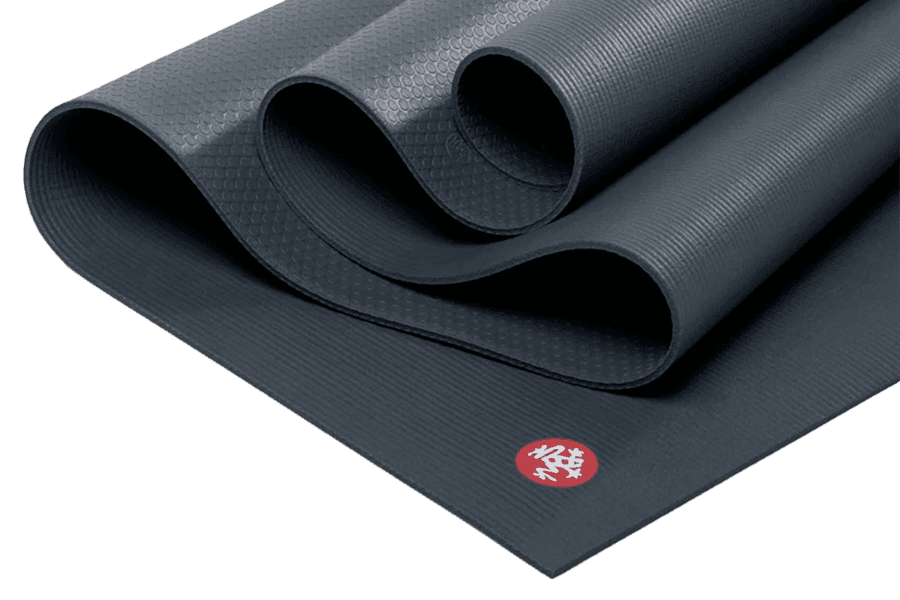
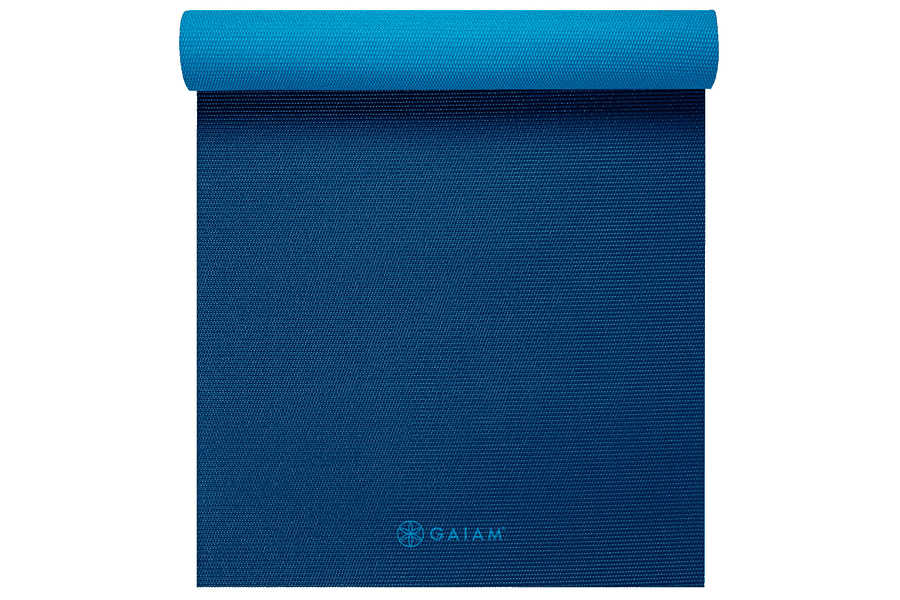
Both mats are PVC, both are latex-free, and both carry something called a lifetime guarantee, so the listings look closer than the mats are. The Gaiam Premium is $29.98 and 6 mm thick. The Manduka PROlite is $112 and 4.7 mm. The cheaper mat is the thicker one, which tells you most of what you need to know: you're not buying height here, you're buying density.
As an Amazon Associate, we earn from qualifying purchases made through links on this page. How this works
The quick answer
The Gaiam's 6 mm of soft foam is comfortable for kneeling and floor work and unstable everywhere else. GearLab, which still recommends it as a first mat, found the surface wobbled under balance poses, rated its wet grip 4 out of 10, and flagged that the foam compresses with regular use. The PROlite packs 4.7 mm of dense PVC into a firmer, steadier platform, adds three inches of length, and comes with a guarantee Manduka actually defines in writing.
If you're new to yoga or on the mat a few times a month, the Gaiam does the job for $30 and you shouldn't feel bad about it. If you practice several times a week, the PROlite is the mat you stop replacing.
Get the Manduka PROlite if...
- You practice several times a week and want a mat that survives it
- You do standing balances and inversions, where soft foam gets wobbly
- You want the bigger platform: 71 inches of length against 68
- You'd rather buy one mat at $112 than a new $30 mat every year or two
Get the Gaiam Premium if...
- You're starting out and don't yet know if yoga will stick
- Your practice is mostly seated, restorative, or stretching
- You want the lightest carry here at 3.3 pounds
- You'd rather spend $30 and put the other $82 somewhere else
Side by side
Price
The Gaiam Premium lists for about $82 less.
$112
List price · check price at Amazon
$29.98
List price · check price at Amazon
Thickness
The Gaiam Premium is 28% thicker.
4.7 mm0.19″
6 mm0.24″
Weight
The Gaiam Premium is 1.3 lbs lighter.
4.6 lbs2.1 kg
3.3 lbs1.5 kg
Size
The PROlite is 3″ longer; same width.
Same on both
- PVC, so both are safe with a latex allergy
- Closed surfaces that don't absorb a drop of sweat
- 24 inches wide
- Wipe-clean care, no machine washing
- Both brands advertise a lifetime guarantee
Full specs
Dimensions
Materials & build
Buying
The cheaper mat is the thicker one
Line up the listings and the $82 gap looks indefensible. Both mats are PVC. Both are latex free. Both advertise a lifetime guarantee. And the $29.98 Gaiam is 6 mm thick while the $112 Manduka is only 4.7.
The number that explains everything is weight. The Gaiam puts 6 mm of soft foam into 3.3 pounds; the PROlite puts 4.7 mm of compressed PVC into 4.6. Density is the product here, and it changes how the mat holds you up, how it behaves under one foot, and how many years it survives.
Cushion and stability: soft isn’t the same as supportive
On knees, in a slow floor sequence, the Gaiam genuinely feels kinder. Soft foam gives, and GearLab credits its cushioning for joint protection when it recommends the mat to beginners. There’s nothing fake about that comfort.
The trouble arrives the moment you stand on one leg. GearLab’s testers found the soft surface unstable under balance poses, with a foot sinking and tilting where a denser mat stays flat, and rated its comfort and support 6.5 of 10 largely on that basis. The PROlite gives a millimeter and then holds, which is what a tree pose wants underneath it.
So the split is about what you actually practice. Mostly seated, restorative or stretching, the Gaiam’s softness is a feature. The more standing and balancing you do, the more it becomes the problem.
Grip: neither handles sweat, and one needs a month
Both are closed-surface PVC, so neither absorbs a drop. GearLab rated the Gaiam 6 of 10 dry and 4 wet, noting hands slipping noticeably once things got sweaty. Its textured sticky finish is fine for a dry, gentle class and out of its depth in a heated one.
The PROlite starts worse and finishes better. New, it shares the PRO’s famous slickness and takes a few weeks of regular practice before the surface comes good; Manduka has retired its old salt-scrub advice and now says the slickness resolves with use. After that it grips confidently dry and keeps improving for years. It still gives up when your palms are wet, which is why Manduka sells towels cut to its dimensions.
If heated classes are your normal practice, buy neither. A natural rubber mat like the Jade Harmony or an absorbent polyurethane-topped mat is the right tool for that job.
Size and weight
The PROlite gives you 71″ × 24″ against the Gaiam’s 68″ × 24″. Same width, three more inches of length, which matters if you’re around five foot ten or taller and doesn’t if you aren’t. Both are narrow by modern standards; 24 inches is the old default.
The Gaiam is lighter at 3.3 pounds against 4.6, though the gap is small enough that neither will stop you carrying it. The PROlite is already Manduka’s answer to the portability problem, which is exactly why it exists alongside the 7.5 pound PRO. If you want a longer PROlite, Manduka sells a 79″ Long version.
Durability: a decade against a couple of years
Dense PVC barely wears. GearLab’s testers found Manduka mats in this family five to twenty years old and still in regular service, and the surface tends to improve rather than degrade with use. For a practitioner on the mat several times a week, that’s the entire argument for spending $112.
The Gaiam’s soft foam compresses, which GearLab flagged as its main durability concern along with moderate overall durability. A casual practice a few times a month can get years out of one. Under daily use, expect it to pack down and lose its cushion within a couple, at which point the thing you bought it for is gone.
Two lifetime guarantees that mean different things
Manduka’s is defined: roughly ten years of regular use in the fine print, one replacement, proof of purchase from an authorized seller, and on Amazon that means sold and shipped by Amazon itself rather than a marketplace seller. It’s a real document with real terms.
Gaiam’s lifetime guarantee is genuinely unusual at $30 and worth having, but like every guarantee at every price it covers defects rather than normal wear. Foam softening under a year of daily practice is normal wear, and normal wear is how this mat ends. Read both guarantees as coverage against manufacturing faults, not against time.
Who each mat is for
The Gaiam is a starter mat and a good one. GearLab gave it a best buy award as the best first yoga mat, and that framing is exactly right: buy it when you aren’t yet sure yoga will stick, when class is a weekly experiment, or when the mat mostly supports stretching and floor work. Nobody should feel undersold owning one.
The PROlite is for an established practice that has to travel a little. If you’re on a mat several times a week and you carry it, its density, length and lifespan repay the price over years. If you never carry it, the thicker Manduka PRO is the better version of the same idea.
Care and first-week smell
Both are wipe-clean mats: a cloth, water or a diluted mild cleaner, air dry, no washing machine. Gaiam recommends airing its mat out for two to three days before first use to release the new-mat smell, and advises keeping it out of extended sun. The PROlite arrives with less odor and asks for less attention; wipe it down and move on.
Price and value
List prices are $112 and $29.98, and what the Gaiam actually sells for moves around with the colorway. Worth checking both before you decide: the PROlite at Amazon and the Gaiam at Amazon before deciding; both discount often enough to be worth a look.
Frequency decides this. Practice daily and the $29.98 mat turns into a recurring purchase while the $112 one sits there for a decade. Practice twice a month and the foam may never compress enough to bother you, and everything you paid Manduka for goes unused. Buy for the practice you actually have, not the one you plan to have.
Bottom line
Buy the Gaiam if you’re starting out, practice casually, or want something light for gentle floor work. It’s a fair $30 product with honest limits: wobbly under balance poses, slippery once you sweat, and destined to compress under heavy use.
Buy the PROlite if yoga is already part of your week. It’s denser, steadier, three inches longer, and built on a timescale the Gaiam doesn’t attempt. Give it a month before you judge the grip, and keep a towel nearby if your room runs hot.
Manduka PROlite
List price $112
Gaiam Premium 6mm
List price $29.98
Frequently Asked Questions
- The Gaiam is thicker. Why isn't it more comfortable?
- Because thickness and support aren't the same thing. The Gaiam fills its 6 mm with soft, light foam that your knee sinks into and keeps sinking; the PROlite fills 4.7 mm with dense PVC that gives a millimeter and then holds. For kneeling on a wood floor the Gaiam genuinely feels kinder. The moment you stand on one leg, the softness that felt good becomes the thing tipping you over, which is exactly what GearLab's testers found.
- Does the PROlite need a break-in period?
- Yes. It shares a surface with the PRO, and it shares the PRO's opening problem: fresh out of the wrapper it slides, and the traction shows up after a few weeks on it. Manduka used to recommend a sea-salt scrub to speed that along and no longer does, saying the surface sorts itself out through practice. The Gaiam's textured sticky surface is grippier out of the box, so for the first month the cheap mat actually feels better. Give the PROlite a month before you judge it.
- Which one is better for hot yoga?
- Neither, and we'd steer you away from both. They're closed-surface PVC mats, so sweat sits on top with nowhere to go. GearLab rated the Gaiam 6 of 10 dry and 4 wet, with hands slipping noticeably once things got sweaty. The PROlite grips well dry once broken in and gives up when your palms are wet. If heated classes are your normal practice, a natural rubber mat or an absorbent polyurethane-topped mat is the right tool, plus a towel.
- Do both really have lifetime guarantees?
- Both advertise one, and they mean different things. Manduka spells its terms out: about a decade of regular practice, one replacement, and a receipt from a seller it recognizes, which on Amazon means the first-party listing rather than a marketplace one. Gaiam's lifetime guarantee is unusual at $30 and worth having, but like every guarantee at every price it covers defects rather than foam softening from normal use. Compression isn't a defect, and compression is how the Gaiam ends its life.
- How long will the Gaiam actually last?
- For a casual practice a few times a month, years. Under daily use, expect the foam to pack down and lose its cushion within a couple, which GearLab flagged as its main durability concern. That isn't a scandal at $30; it's the deal. The PROlite is on a different clock entirely, and dense PVC mats routinely stay in service for a decade with the surface improving rather than degrading.
- Which is easier to carry?
- The Gaiam, though the gap is smaller than the price suggests. It weighs 3.3 pounds against the PROlite's 4.6, and both are easy to sling over a shoulder; this isn't the 7.5 pound Manduka PRO. If portability is the deciding factor rather than a tiebreaker, the PROlite is already Manduka's answer to that problem, which is exactly why it exists alongside the PRO.
Related comparisons
- Gaiam Premium 6mm vs Gruper TPE 6mm
- Manduka PROlite vs JadeYoga Harmony 74"
- Amazon Basics 1/4 Inch Thick TPE vs Gaiam Premium 6mm
- Gaiam Premium 6mm vs YogaAccessories Extra Thick Deluxe 1/4"
- Manduka PROlite vs Lululemon The Mat 5mm
- Manduka PROlite vs JadeYoga Harmony 68"
- Manduka PROlite vs b, halfmoon B Mat Everyday 4mm
- Manduka PROlite vs Suga SugaMat
- Manduka PROlite vs Yoga Design Lab Combo 3.5mm