Manduka PROlite vs Gaiam Essentials Fitness Mat 10mm: Which One Should You Buy?
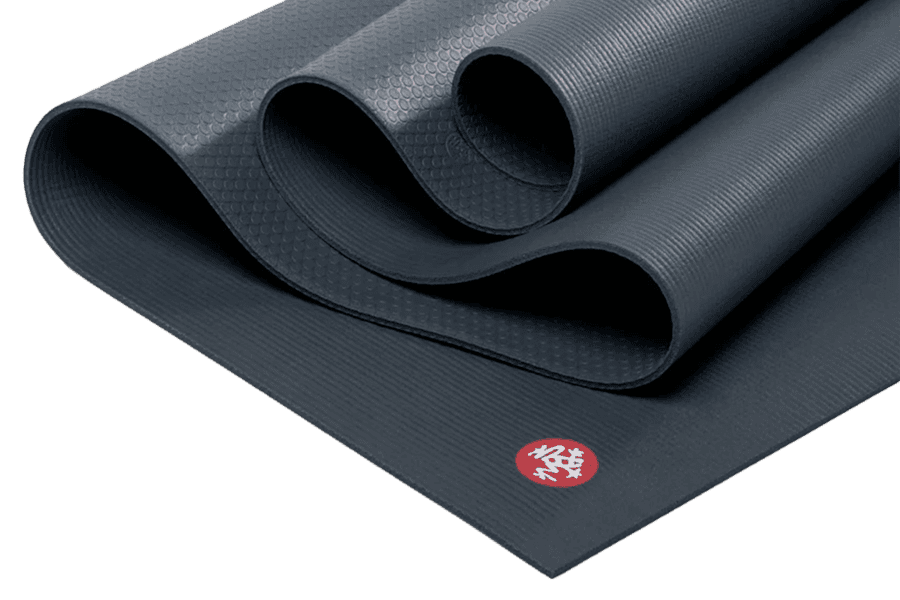
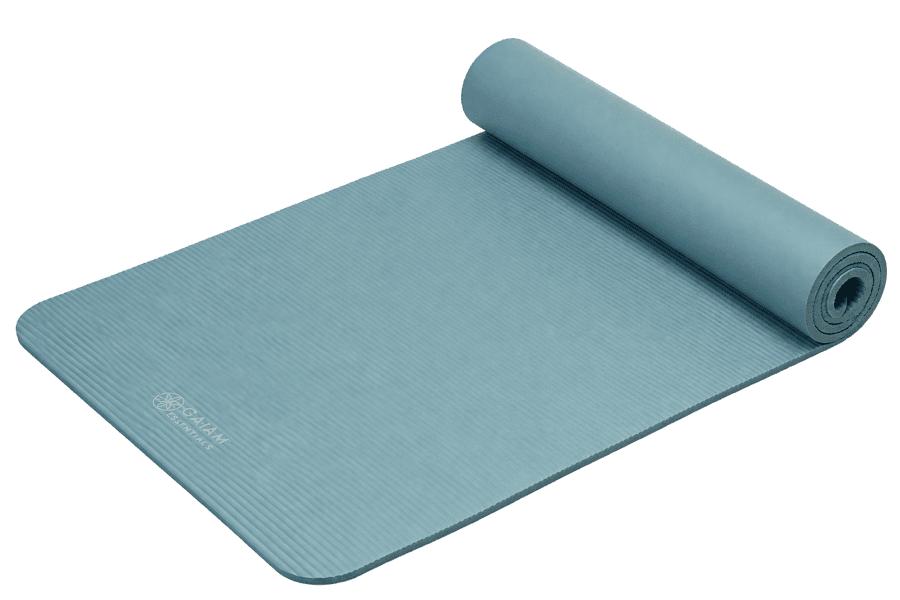
The Manduka PROlite is a 4.7 mm studio yoga mat made of dense German PVC and backed for life. The Gaiam Essentials Fitness Mat is 10 mm of soft NBR foam built for floor exercise, and it costs $24.98. The thicker mat is the cheaper one, which is why so many people buy it for yoga, and the question is whether that soft foam is a help or a problem for what you actually do.
As an Amazon Associate, we earn from qualifying purchases made through links on this page. How this works
The quick answer
The PROlite is 71 by 24 inches, 4.7 mm thick, 4.6 pounds and $112. The Fitness mat is 72 by 23.6 inches, 10 mm thick, under three pounds and $24.98 with a strap. The Gaiam is far softer on knees and hips. The PROlite is far steadier under a standing foot, grips better once its slick surface has broken in, and Manduka's lifetime guarantee covers roughly ten years of regular use where Gaiam publishes no terms at all.
If you practice yoga regularly, with standing and balance poses, get the PROlite. If your session is stretching, Pilates, core work or a weekly beginner class and soft knees matter more than balance, get the Gaiam Essentials Fitness.
Get the Manduka PROlite if...
- You practice standing and balance poses and want a surface that does not tilt
- You are on the mat several times a week and want it to last a decade
- You want a published guarantee, OEKO-TEX certification and a stated country of origin
- You might need a 79 inch Long or a 30 inch wide version later
Get the Gaiam Essentials Fitness if...
- Your session happens on the floor: stretching, Pilates, core work, physio
- Knees, hips or tailbone hurt on a thin mat and you want 10 mm of soft foam
- You want a strap included and a mat under three pounds
- You would rather spend $24.98 than $112 on a practice you are still testing
Side by side
Price
The Essentials Fitness 10mm lists for about $87 less.
$112
List price · check price at Amazon
$24.98
List price · check price at Amazon
Thickness
The Essentials Fitness 10mm is 113% thicker.
4.7 mm0.19″
10 mm0.39″
Weight
The Essentials Fitness 10mm is 1.8 lbs lighter.
4.6 lbs2.1 kg
2.8 lbs1.27 kg
Size
The Essentials Fitness 10mm is 1″ longer; the PROlite is 0.4″ wider.
Same on both
- About 72 inches long
- Closed-cell surface, so sweat sits on top
- A damp cloth is all the cleaning either wants
- Neither should be stored in direct sun
- Lifetime guarantee advertised by both brands
Full specs
Dimensions
Materials & build
Buying
Under half the thickness for four and a half times the money
The Manduka PROlite is a 4.7 mm yoga mat for $112. The Gaiam Essentials Fitness Mat is a 10 mm exercise mat for $24.98. Side by side the Gaiam looks like twice the mat for a fifth of the price, which is how it ends up under so many people doing yoga.
The materials are why it does not work out that way. The PROlite is dense closed-cell PVC made in Germany, the Manduka PRO cut thinner. The Gaiam is NBR foam, the soft nitrile material in gym and Pilates mats, and Gaiam positions it for ab work, toning and stretching.
We would put a yoga practice on the PROlite and a floor routine on the Gaiam. The rest of this page is about the exceptions.
Cushion: the Gaiam is softer, by design
Ten millimeters of soft foam is a lot of padding, and Amazon’s review summary is lopsided in the Fitness mat’s favor: about 1,100 owners praise the thickness against roughly 170 who do not, and comfort runs about 1,000 positive mentions to 80. On tile or concrete, kneeling and anything on your back feel kinder on the Gaiam.
The PROlite is PVC compressed hard enough that a 71 by 24 inch sheet weighs 4.6 pounds. It is firm by design: it takes the edge off a hard floor without feeling plush. A small knee pad covers the few poses where that is not enough.
Standing poses go to the dense mat
Stand on one leg on 10 mm of soft foam and the mat moves before you do: the loaded side sinks, the surface tilts, and tree pose becomes an ankle exercise. Stability is one of the few aspects where complaints outnumber praise in Amazon’s review summary, about 365 to 227, with some owners reporting the mat slides across the floor.
The PROlite gives a fraction of a millimeter and then stops, so it reads as floor under a balancing foot. GearLab recommends 3 to 5 mm for most practice, with thicker mats for people who need joint cushioning. The PROlite sits inside that range; the Gaiam is double the top of it.
Grip: one works on day one, one needs a month
The Fitness mat has ridges molded into its surface, and Gaiam says they help reduce slipping on most hard floors during dry workouts. That is a narrow claim: the mat on the floor, in a dry room. Gaiam makes no wet grip claim, and NBR is closed-cell, so sweat beads on top.
The PROlite has the opposite problem at the start. It arrives slick, and the fabric-like finish needs a few weeks of use before hands stop sliding in downward dog; Manduka once recommended a salt scrub and now says the slickness resolves with use. After that it holds dry hands well for years, and still slips once your palms are wet.
Neither is a mat for heated classes. If sweat is why you are shopping, our PROlite vs GRP Adapt 2.0 comparison covers a polyurethane top built for it.
Size: longer, but the narrowest mat we cover
The Fitness mat is 72 by 23.6 inches; the standard PROlite is 71 by 24. The extra inch of length is nothing you will feel. The width gap you will: 23.6 inches is narrower than anything else we compare, and 24 already feels tight after 26.
The Gaiam comes in one size. The PROlite comes in a 68 inch Short at $108, this standard, a 79 inch Long at $124 and a 79 by 30 inch Long and Wide.
Weight: both carry, only one has a strap
The Fitness mat is about 2.8 pounds by our figures, lighter still by Amazon’s own details table, and ships with an adjustable nylon strap. The PROlite is 4.6 pounds and ships with nothing. Neither is a burden.
The difference is bulk. A 10 mm mat rolls into a fat cylinder, and one Amazon reviewer notes the strap is a bit hard to use when trying to wrap the mat. The PROlite rolls tight and slides into a tote.
Lifespan is where most of the $87.02 goes
Dense PVC barely compresses, and PROlites in daily studio use run for years without going soft. Manduka’s lifetime guarantee reflects that: roughly ten years of regular use and one replacement, proof of purchase from an authorized seller, and Amazon counts only when the mat is sold and shipped by Amazon itself.
NBR foam takes a permanent set where knees and hands land, and it tears at the edges. Durability is where the Fitness mat loses most clearly in Amazon’s review summary, about 660 negative mentions to 285 positive. Gaiam advertises a lifetime guarantee too but publishes no terms; we read it as cover for defects, not flattened foam.
Four Fitness mats cost less than one PROlite, and a daily practice can wear through soft foam in a year or two. An occasional stretching routine may never wear one out, which is the case for the cheap mat.
Smell, cleaning and what the labels say
Both wipe clean with a damp cloth and both should stay out of direct sun. Both smell at first: Gaiam calls its foam low-odor and then asks for 24 to 48 hours of airing, and odor runs about 355 complaints to 111 compliments in Amazon’s review summary. The PROlite’s PVC has a much milder smell.
The Manduka is the better documented mat: made in Germany, certified to OEKO-TEX Standard 100, latex free. Gaiam does not state where the Fitness mat is made, what it weighs, or any certification, and NBR is synthetic foam rather than natural latex.
Price, ratings and where to buy
The PROlite lists for $112 and the Fitness mat for $24.98. Check the current PROlite price at Amazon and the Fitness mat price at Amazon, and compare the Gaiam against gaiam.com. If the guarantee matters, buy the PROlite sold and shipped by Amazon, or from manduka.com.
The PROlite holds 4.5 stars across about 4,600 Amazon ratings; the Fitness mat holds 4.6 across about 46,800 pooled over 11 colorways, and was the top seller in Amazon’s yoga mat category when we checked. If 10 mm is more cushion than you want, the thinner Gaiam Essentials 6mm is the closer yoga mat for about the same money.
Bottom line
Buy the Manduka PROlite if yoga is a regular part of your week. It is stable under a standing foot, certified, guaranteed for the better part of a decade, and light enough to carry. Give the surface a month before you judge it.
Buy the Gaiam Essentials Fitness Mat if your session happens on the floor: stretching, Pilates, core work, or a weekly beginner class where soft knees matter more than balance. For the thicker Manduka against the same Gaiam, see our PRO vs Gaiam Essentials Fitness comparison.
Manduka PROlite
List price $112
Frequently Asked Questions
- Is the Gaiam Essentials Fitness Mat 10mm good for yoga?
- It is good for the floor parts of yoga and weak for the standing parts. The 10 mm NBR foam is soft under knees, hips and the spine, and Amazon's review summary praises its thickness and comfort by a wide margin. Under a single standing foot the foam compresses unevenly and the surface tilts, and stability is one of the aspects where owner complaints outnumber praise. Gaiam itself positions the mat for ab work, toning and stretching rather than yoga flows.
- Does the Manduka PROlite need to be broken in?
- Yes. The closed-cell PVC surface arrives slick and takes a few weeks of regular practice before hands stop sliding in downward dog. Manduka used to recommend a coarse salt scrub and has retired that advice; its current position is that the slickness resolves with use. Once broken in the PROlite grips dry hands well for years, though it still slips when your palms are sweaty.
- Is 10mm too thick for a yoga mat?
- For a standing practice, usually yes. GearLab recommends 3 to 5 mm for most practice and reserves thicker mats for people who specifically need joint cushioning. At 10 mm of soft foam, the Fitness mat sinks and tilts under one foot in balance poses. The PROlite at 4.7 mm sits inside the recommended range. If you want soft knees and a steady standing surface, a thinner mat plus a small knee pad is the usual answer.
- Which mat is better for bad knees?
- On the floor, the Gaiam. Ten millimeters of soft NBR foam is more forgiving on tile or concrete than any dense yoga mat, and its thickness draws about 1,100 positive mentions in Amazon's review summary. The PROlite is firm by design. If your knees are the complaint but you also stand and balance, the PROlite with a folded blanket or knee pad gives you both.
- Does the Gaiam lifetime guarantee match the Manduka one?
- Not in any way we can verify. Manduka publishes its terms: roughly ten years of regular use, one replacement, proof of purchase from an authorized seller, and Amazon purchases count only when sold and shipped by Amazon itself. Gaiam advertises a lifetime guarantee on the Fitness mat but publishes no terms, and its 30 day returns apply only to unopened orders from gaiam.com. We read Gaiam's guarantee as cover for manufacturing defects, not for foam that has flattened or torn.
- Is the Manduka PROlite worth $87 more than the Gaiam Fitness mat?
- If you practice yoga several times a week, yes. The PROlite stays stable under a standing foot, does not compress, and routinely runs for years in daily studio use, while NBR foam takes a permanent set and tears at the edges; durability is the aspect where the Fitness mat draws the most owner complaints. Four Fitness mats cost about one PROlite. If you practice occasionally or mostly stretch, the cheap mat may never wear out and the PROlite's advantages go unused.
Related comparisons
- Manduka PROlite vs JadeYoga Harmony 2.0 68"
- Manduka PROlite vs JadeYoga Harmony 74"
- Manduka PROlite vs Lululemon The Mat 5mm
- Manduka PROlite vs JadeYoga Harmony 68"
- Manduka PROlite vs b, halfmoon B Mat Everyday 4mm
- Manduka PROlite vs Suga SugaMat
- Manduka PROlite vs Yoga Design Lab Combo 3.5mm
- Manduka PROlite vs Yoga Design Lab Infinity 3mm
- Retrospec Solana 1/2" vs Gaiam Essentials Fitness Mat 10mm