Manduka PRO vs Gaiam Essentials Fitness Mat 10mm: Which One Should You Buy?
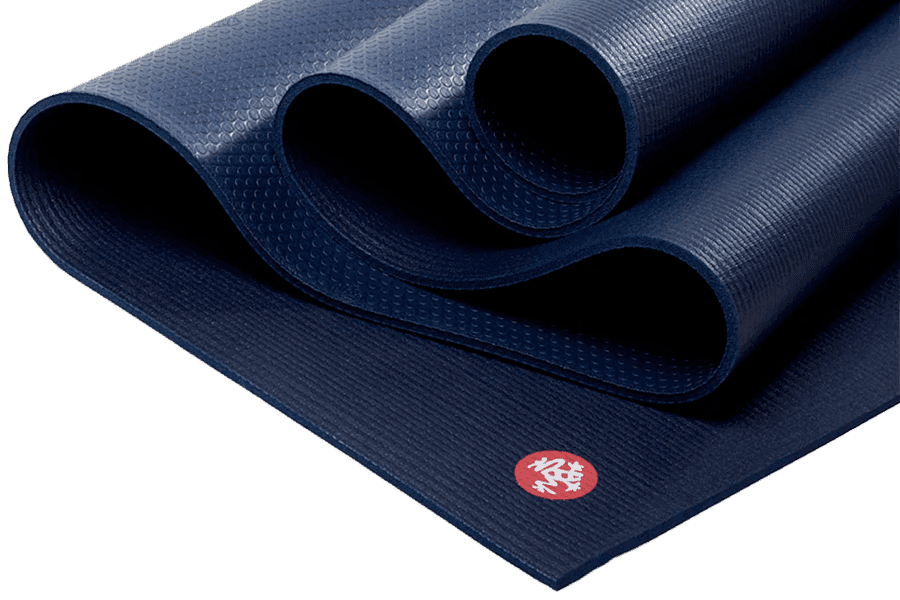
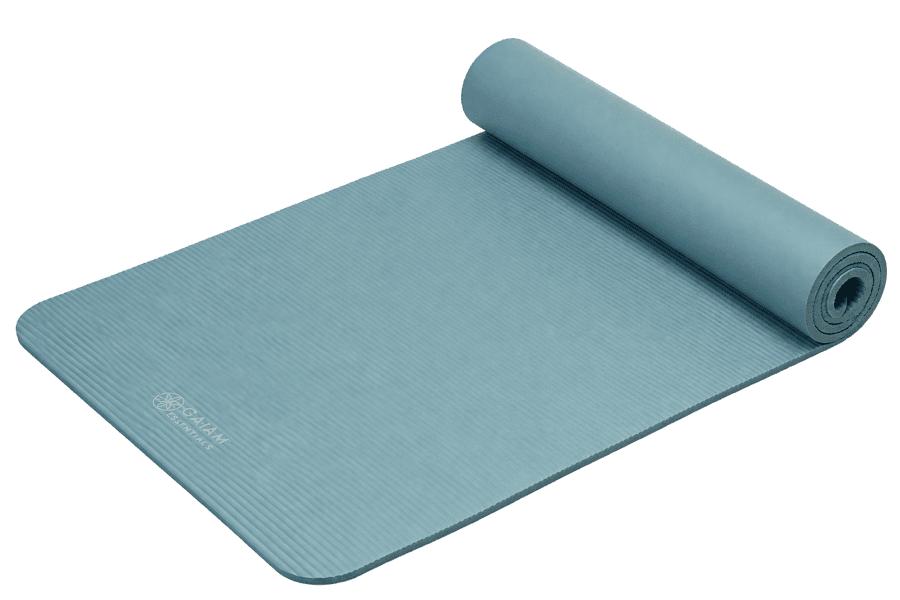
Manduka PRO and Gaiam Essentials Fitness Mat serve different kinds of movement. The PRO is a dense, stable yoga mat built for long use. Gaiam is a thick, soft exercise mat for stretching, Pilates and floor workouts.
As an Amazon Associate, we earn from qualifying purchases made through links on this page. How this works
The quick answer
The PRO is 71 by 26 inches, 6mm thick and eight pounds. Gaiam is 72 by 23.6 inches, 10mm thick and 2.8 pounds. Manduka provides better stability for standing yoga. Gaiam is softer under knees and easier to carry.
Choose the PRO for frequent yoga and long ownership. Choose Gaiam for floor exercise, gentle mobility and a $24.98 entry price. Its foam is comfortable, but it is less steady under a balancing foot.
Get Manduka PRO if...
- You practice standing yoga regularly
- You prefer firm joint support
- You want a wider surface
- You value detailed material certification
Get Gaiam Essentials if...
- You mainly do floor exercises
- You want soft 10mm cushioning
- You need a lighter mat
- You want to spend under $25
Side by side
Price
The Essentials Fitness 10mm lists for about $119 less.
$144
List price · check price at Amazon
$24.98
List price · check price at Amazon
Thickness
The Essentials Fitness 10mm is 67% thicker.
6 mm0.24″
10 mm0.39″
Weight
The Essentials Fitness 10mm is 5.2 lbs lighter.
8 lbs3.6 kg
2.8 lbs1.27 kg
Size
The Essentials Fitness 10mm is 1″ longer; the PRO is 2.4″ wider.
Same on both
- Lifetime guarantee advertised
- Textured traction surfaces
- At least 71 inches long
- Multiple color choices
- Authorized Amazon listings
Full specs
Dimensions
Materials & build
Buying
The PRO is a yoga mat, while Gaiam is built for floor exercise
Thickness alone makes this matchup look backward. The budget Gaiam is 10mm thick, compared with 6mm for the Manduka PRO. The materials explain the difference. Gaiam uses soft NBR foam for ab work, stretching, toning, and other floor exercises. Manduka uses dense PVC for stable yoga support.
We would buy the PRO for standing poses, regular yoga, and long ownership. The Essentials Fitness Mat is better for Pilates, mobility work, and knees or elbows that need soft padding. It costs $119.02 less and weighs far less, but its thick foam is not as steady under a balancing foot.
Gaiam feels softer, while Manduka feels more stable
Gaiam’s 10mm NBR foam compresses under body weight. That is useful in crunches, kneeling work, stretching, and recovery sessions where comfort against the floor matters most. The extra depth also helps on tile or concrete, though a concentrated knee can sink through soft foam more than the number suggests.
The PRO’s 6mm PVC is much denser. It spreads pressure without creating the wobble of a thick exercise mat, so wrists and knees get firm protection while standing poses remain predictable. We prefer it for vinyasa, balance, and any sequence that moves repeatedly between the floor and standing.
Neither feel is better for every workout. Choose soft depth for mostly horizontal exercise and firm support for yoga. Buying the thicker mat simply because 10mm sounds more protective can leave balance work less comfortable, not more.
Their grip is designed for different movement
The Essentials Fitness Mat has ridges on its NBR surface. Gaiam positions them for traction during ab work, toning, and stretching. The soft foam can still deform under a foot in a long standing pose, and Gaiam does not market this model for hot yoga.
A new PRO can feel slick, then becomes more dependable through regular practice. Manduka now recommends use as the break in method, not the old salt treatment. Its dot patterned bottom helps the heavy mat stay planted, and the firm surface gives clearer feedback when weight shifts through hands and feet.
Neither is a strong choice for heavy sweat. The PRO seals moisture out, so Manduka recommends a towel for heated classes. Gaiam makes no sweat grip claim for the Essentials Fitness Mat. Consider a polyurethane topped mat if hot yoga is the priority.
Gaiam is longer, but the PRO gives you more width
The Gaiam measures 72 by 23.6 inches. The standard PRO is 71 by 26 inches. One extra inch of Gaiam length is minor, while Manduka’s 2.4 inches of added width are noticeable with broad shoulders, wide stances, and movements that travel sideways.
Manduka also sells Short, Long and Wide, and Squared variants. Its 85-inch PRO Long is the first alternative to check for a tall practitioner. Gaiam offers this Essentials Fitness model in one size. Its thinner Essentials 6mm is a lighter alternative for basic yoga and exercise.
Gaiam is much easier to move
The Essentials Fitness Mat weighs 2.8 pounds in our current catalog and includes a nylon carry strap. Its 10mm roll is bulky, but the low weight makes it manageable for a class, gym visit, or move between rooms.
The exact standard PRO variant weighs eight pounds. Its dense roll becomes tiring on a walk and is better left where you practice. Manduka does not include a carrier. If the mat travels several times each week, the weight gap is more important than any small difference in footprint.
Both wipe clean, but the materials age differently
Manduka says to use warm water or its mat wash, wipe the PRO dry, and roll it top side out. Closed cell PVC keeps normal practice moisture from entering the mat. The dense material resists dents and compression better than soft fitness foam.
Gaiam identifies the Essentials Fitness Mat as NBR foam. Wipe it gently and let it dry before rolling. Thick foam can develop pressure marks or tears around edges if equipment is dragged across it. The official page does not state a manufacturing country or material certification.
The PRO is latex free, made in Germany, and certified to OEKO-TEX Standard 100. Gaiam’s product page focuses on cushioning and its ribbed surface. Buyers with material sensitivities have more detailed documentation from Manduka.
Both advertise lifetime coverage
Manduka’s guarantee defines useful life around ten years of regular use, requires proof from an authorized seller, and permits one replacement for covered defects. Normal cosmetic wear and damage from misuse are excluded.
Gaiam also lists a lifetime guarantee for the Essentials Fitness Mat, a notable inclusion at $24.98. Its product page does not present the same detailed terms beside the listing, so we would not assume it matches Manduka’s process or expected lifespan. A warranty covers defects, not the gradual compression of well-used foam.
The Gaiam costs $119.02 less
The PRO lists for $144; the Essentials Fitness Mat lists for $24.98. Check the current PRO price at Amazon and the Gaiam price at Amazon, then compare them with the direct Gaiam price.
Gaiam currently offers 11 colors, and the standard PRO has 14. The low Gaiam price makes sense for occasional floor workouts or a first home exercise mat. Paying more for the PRO makes sense when stable yoga performance, denser support, and a longer service life will be used regularly.
Bottom line
Get the Manduka PRO for regular yoga, standing balance, dense joint support, and a mat intended for years of use. It costs much more and is unpleasant to carry far, but it stays much steadier than soft NBR foam in standing poses.
Get the Gaiam Essentials Fitness Mat for stretching, Pilates, ab work, and gentle floor exercise. Its 10mm cushion, included strap, and $24.98 price are appealing. Choose a firmer mat if standing yoga makes up most of your routine.
Manduka PRO
List price $144
Frequently Asked Questions
- Which is better for yoga, Manduka PRO or Gaiam Essentials Fitness?
- Manduka PRO is better for a regular yoga practice. Its dense 6mm PVC stays stable in standing poses. Gaiam's soft 10mm NBR foam is designed mainly for stretching, ab work and other floor exercises.
- Which mat has more cushioning?
- Gaiam feels softer because it uses 10mm NBR foam. The PRO's 6mm PVC is denser and firmer, giving joints support without as much movement beneath a standing foot.
- Which mat is easier to carry?
- Gaiam. It weighs 2.8 pounds and includes a nylon strap. The standard PRO weighs eight pounds and does not include a carrier.
- Which mat is larger?
- Gaiam is one inch longer at 72 inches, but the PRO is 2.4 inches wider at 26 inches. Manduka also offers longer and larger PRO variants.
- Can either mat handle hot yoga?
- Neither is ideal for heavy sweat. Manduka recommends a towel because the PRO's closed surface does not absorb moisture. Gaiam does not make a hot-yoga grip claim for the Essentials Fitness Mat.
- Do both mats have lifetime warranties?
- Both brands advertise lifetime coverage for these mats. Manduka publishes detailed terms, including authorized-seller proof and one replacement for covered defects. Normal wear is not a defect.
Related comparisons
- Manduka PRO vs Alo Warrior
- Manduka PRO vs b, halfmoon B Mat Strong 6mm
- Manduka PRO vs Yoloha Unity Pro Cork
- Manduka PRO vs JadeYoga Harmony XW
- Retrospec Solana 1/2" vs Gaiam Essentials Fitness Mat 10mm
- Manduka PRO vs Lululemon The (Big) Mat 5mm
- Amazon Basics 1/2 Inch Extra Thick vs Gaiam Essentials Fitness Mat 10mm
- Manduka PRO vs Hugger Mugger Para Rubber 5mm
- Manduka PRO vs Yoga Design Lab Infinity 5mm