Manduka PROlite vs B Mat Strong: Which One Should You Buy?
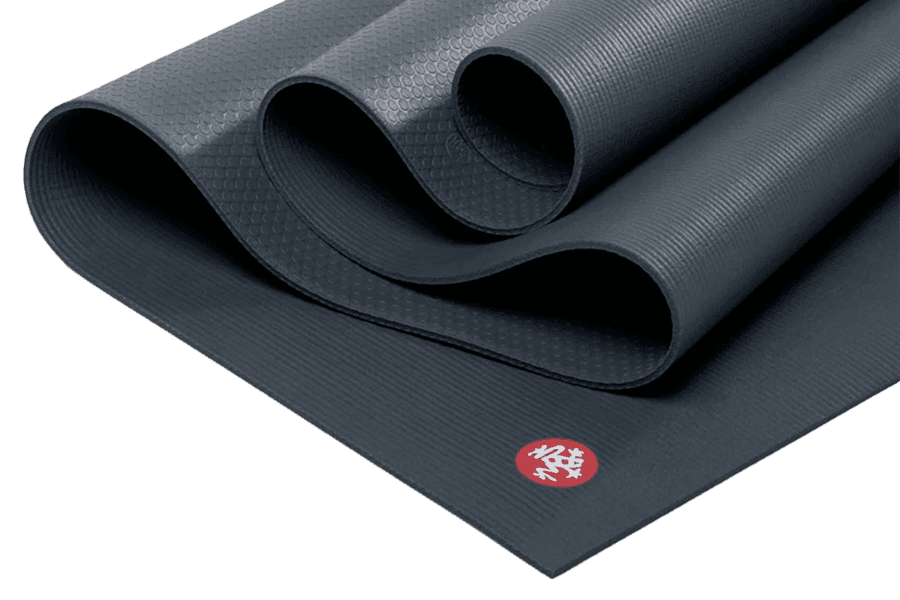
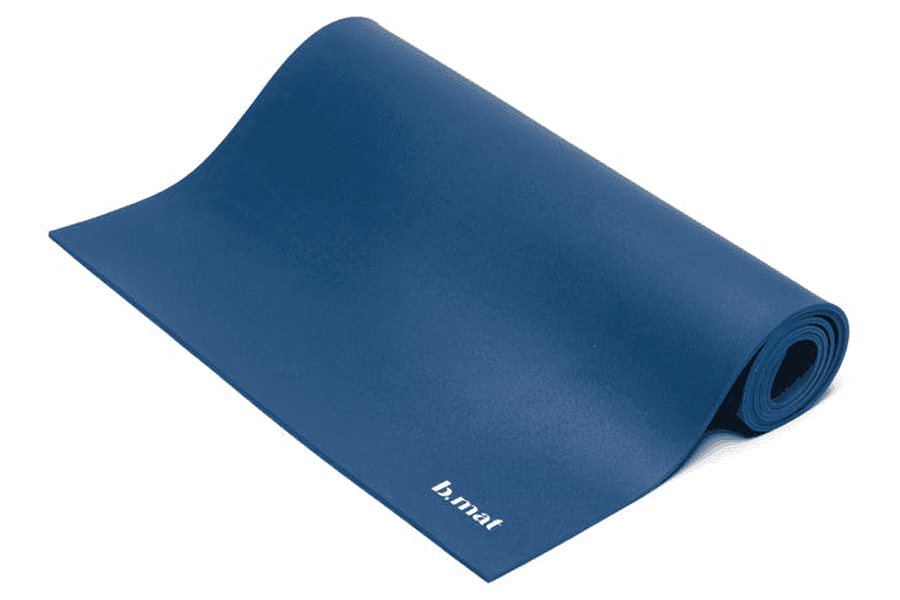
The PROlite is Manduka's carryable PRO: 4.7 mm of dense German PVC, 71 by 24 inches, backed by a guarantee measured in years rather than months. The B Mat Strong is b, halfmoon's 6 mm rubber flagship, two inches wider and grippy from the moment you unroll it. The $32 between them buys traction that survives sweat, and costs you most of a decade of lifespan.
As an Amazon Associate, we earn from qualifying purchases made through links on this page. How this works
The quick answer
The B Mat grips immediately and keeps holding when your palms are damp, which the PROlite never does. It's also 1.3 mm thicker and 2 inches wider, and it carries an OEKO-TEX certification and a one-year warranty. The PROlite starts slick, wants a few weeks of practice before the surface comes good, and then keeps that surface for a decade or more; it's also $32 cheaper, safe with a latex allergy, and easy to buy and return on Amazon.
Sweaty practice, or you want the mat working properly this week: B Mat Strong. Happy with a towel in hot rooms and planning to still own this mat in 2036: PROlite.
Get the Manduka PROlite if...
- You want the longest-lived mat here; dense PVC outlasts rubber several times over
- You have a latex allergy, which rules the B Mat out entirely
- You'd rather keep $32 and buy from Amazon with easy returns
- Your practice is dry, and a broken-in PVC surface is all the grip you need
Get the B Mat Strong if...
- You sweat; the rubber keeps gripping where the PROlite gives up
- You want grip on day one, with no break-in period to wait out
- You want the wider, thicker mat: 26 inches and 6 mm against 24 and 4.7
- You want a certification and a written warranty: OEKO-TEX and one year
Side by side
Price
The PROlite lists for $32 less.
$112
List price · check price at Amazon
$144
List price · check price at bhalfmoon.com
Thickness
The B Mat Strong is 28% thicker.
4.7 mm0.19″
6 mm0.23″
Weight
The PROlite is 0.4 lbs lighter.
4.6 lbs2.1 kg
5 lbs2.27 kg
Size
Same length; the B Mat Strong is 2″ wider.
Same on both
- Both are easy carries at 4.6 and 5 pounds
- Both are firm enough to stand a balance on
- Wipe-clean care; neither goes in a washing machine
- Neither should live in a hot car or direct sun
Full specs
Dimensions
Materials & build
Buying
What the $32 actually buys
The PROlite is Manduka’s carryable PRO: 4.7 mm of dense German PVC at 4.6 pounds, backed by a guarantee written in years. The B Mat Strong is b, halfmoon’s thick rubber flagship, 6 mm and two inches wider, tacky the moment you unroll it.
The gap between $112 and $144 buys traction that survives sweat and a mat that works on day one. What it costs you is most of a decade of lifespan, and the option of buying from Amazon.
Grip: the B Mat wins the part that matters most
A new PROlite is slick, and there’s no getting around it. The surface takes a few weeks of regular practice to come good; Manduka has dropped its old salt-scrub advice and now says the slickness resolves with use. Broken in, it grips confidently with dry hands and keeps improving over years, which is a genuine reward for patience.
The B Mat asks for no patience at all. In its review of the 4 mm Everyday, which wears the identical rubber surface, GearLab put grip at 9 of 10 and reported traction holding through sprinkles, puddles and waves of sweat with nothing to break in first. Nothing else in this comparison is backed that firmly, and it explains why b, halfmoon mats keep turning up in hot studios.
The PROlite has no answer to sweat. Closed-cell PVC absorbs nothing, moisture sits on top, and Manduka sells towels cut to the mat’s dimensions because of it. If your classes run hot, that single fact probably ends the comparison.
The other side of that grip
Tacky rubber has costs, and they’re worth knowing before you commit. GearLab’s testers found the B Mat’s surface grabbed hands and feet hard enough that they started stepping between poses instead of sliding, and flagged it as a poor match for styles built on gliding transitions. If you drag a foot forward in a flow, you feel it.
The same surface collects dirt, hair and lint constantly, to the point that GearLab recommends storing the mat in a bag rather than tossing it in a car trunk. The PROlite’s smoother face lets a foot slide when you want it to and stays cleaner between wipe-downs.
Size and cushion: the B Mat is the bigger platform
Both mats are 71 inches long, but the B Mat is 26 inches wide against the PROlite’s 24. Two inches sounds trivial and isn’t, particularly with broad shoulders or in wide-stance standing work, where 24 inch mats leave a hand or foot on the floorboards.
It’s thicker too, 6 mm against 4.7, with a springier quality that the PROlite’s dense PVC doesn’t have. Knees notice on hard floors. The PROlite’s counterargument is stability: density gives a very planted feel under standing balances, and some practitioners prefer that to any amount of give. Neither mat is plush.
If you want the width and the length, both lines go bigger: Manduka sells a 79″ × 30″ PROlite and b, halfmoon sells an 85″ Strong Long.
Weight: closer than the specs imply
The PROlite weighs 4.6 pounds and the B Mat Strong 5, which is a rounding error on a shoulder. Both are mats you can carry daily without resenting them, and both are far easier to move than the 7.5 pound Manduka PRO or a 7 pound rubber mat like the Manduka eKO.
Given the B Mat is thicker and wider at almost the same weight, this is one round it quietly wins on engineering. It doesn’t change the decision, but it should stop anyone assuming the rubber mat is the heavy one.
Durability: different clocks entirely
The PROlite is built on the Manduka timescale. Dense PVC barely wears, mats in this family turn up in studios a decade or two after purchase, and the lifetime guarantee is defined in the fine print as roughly ten years of regular use with one replacement, from an authorized seller.
Rubber grips because it’s soft, and soft wears. b, halfmoon covers the B Mat for one year and describes its mats as designed for two or more years of practice when stored properly. GearLab noted water staining on its test mat and found owners commonly report the top layer peeling where hands and feet land, with grip fading after prolonged use. The B Mat is a consumable in a way the PROlite isn’t, and its price doesn’t reflect that.
Materials, latex, and certifications
The PROlite is PVC made in Germany and certified to OEKO-TEX Standard 100. It contains no natural rubber, which makes it one of the few good mats available to anyone with a latex allergy. The B Mat is mostly natural rubber with some synthetic, made in Spain, also OEKO-TEX certified, and carries the usual trace-latex caution.
On environmental grounds the rubber mat has the better raw-materials story and the PVC mat has the better lifespan story. One mat that lasts ten years is its own argument, and it’s a fair one.
Where you can buy them
The PROlite sells through manduka.com and Amazon, discounts regularly, and is simple to return. Manduka’s guarantee recognizes Amazon purchases when they’re sold and shipped by Amazon itself, so buy from the first-party listing rather than a marketplace seller.
The B Mat is effectively direct-only. Its listings there have gone dark, leaving resellers whose stock the warranty does not cover, so order from b, halfmoon. If Prime returns are how you shop, that’s a real point for Manduka.
Bottom line
Get the B Mat Strong if you sweat, or if you want a mat that works perfectly this week rather than next month. It’s wider, thicker, grippier when wet, certified, and covered by a written year. Budget for replacing it in a few years and keep it out of the trunk.
Get the PROlite if you want one mat for the next decade, if you have a latex allergy, or if your practice is dry enough that a broken-in PVC surface is all the grip you need. It’s $32 cheaper, easy to buy, and the only one of the two making a long-term promise. For the same argument with more cushion on the Manduka side, see our PRO vs B Mat Strong comparison.
Manduka PROlite
List price $112
B Mat Strong 6mm
List price $144
Frequently Asked Questions
- Which mat is better for hot yoga?
- The B Mat Strong, clearly. In its standalone review of the 4 mm Everyday, which carries the identical rubber surface, GearLab named it a favorite for hot yoga and scored grip 9 out of 10, with traction holding through sprinkles, puddles and waves of sweat and nothing to break in first. The PROlite is closed-cell PVC, so sweat sits on top and wet palms slide; Manduka sells a towel cut to its dimensions for exactly this reason. If heated classes are your normal practice, this question decides the page.
- How long does each mat last?
- Different timescales. Dense PVC barely wears, and Manduka's lifetime guarantee is defined in the fine print as roughly ten years of regular use with one replacement from an authorized seller. Rubber grips because it is soft, and soft wears: b, halfmoon writes down one year of coverage and describes its mats as built for two or more years of practice. GearLab's research turned up a recurring owner complaint about the top layer lifting in the spots that take hands and feet. You're choosing between a mat you'll replace and one you probably won't.
- Is the B Mat's grip ever a problem?
- It can be, and it's worth knowing before you buy. GearLab's testers found the surface grabbed hands and feet hard enough that they started stepping between poses rather than sliding, and flagged it as a poor match for styles built on gliding transitions. The same grip also collects dirt, hair and lint constantly, so it wants a mat bag rather than a car trunk. The PROlite's smoother surface lets a foot slide when you want it to.
- Which is more comfortable?
- The B Mat, for most people. It's 6 mm against the PROlite's 4.7, and the rubber has a springier give where the PROlite is firm and flat. On hard floors that extra millimeter and a bit matters under knees. The counterargument is stability: the PROlite's density gives a very planted feel under standing balances, and some practitioners prefer that firmness to any amount of cushion. Neither mat is plush.
- Can I buy the B Mat Strong on Amazon?
- Not reliably. The brand's Amazon listings have gone dark, leaving only resellers whose stock the warranty does not cover, so order from b, halfmoon itself. The PROlite is the opposite: sold on Amazon and manduka.com, discounted fairly often, and simple to return. If you shop on Amazon by habit, that convenience is a genuine point in the PROlite's favor, and Manduka's guarantee does recognize Amazon purchases when they're sold and shipped by Amazon itself.
- Is either mat safe for a latex allergy?
- The PROlite is; it's PVC with no natural rubber in it. The B Mat is mostly natural rubber with some synthetic, and natural rubber carries trace latex proteins, so it isn't safe with a genuine allergy. If that rules out the B Mat but you still want day-one grip, the mats worth looking at are polyurethane-topped rather than rubber-topped, though most of those also sit on a rubber base.
Related comparisons
- Manduka PROlite vs JadeYoga Harmony 2.0 68"
- Manduka PROlite vs JadeYoga Harmony 74"
- Manduka PROlite vs Lululemon The Mat 5mm
- b, halfmoon B Mat Strong 6mm vs Manduka PRO Terra 6mm
- Manduka PROlite vs JadeYoga Harmony 68"
- Manduka PROlite vs b, halfmoon B Mat Everyday 4mm
- Manduka PRO vs b, halfmoon B Mat Strong 6mm
- Manduka PROlite vs Suga SugaMat
- Manduka PROlite vs Yoga Design Lab Combo 3.5mm