Manduka eKO Lite vs Alo Warrior: Which One Should You Buy?
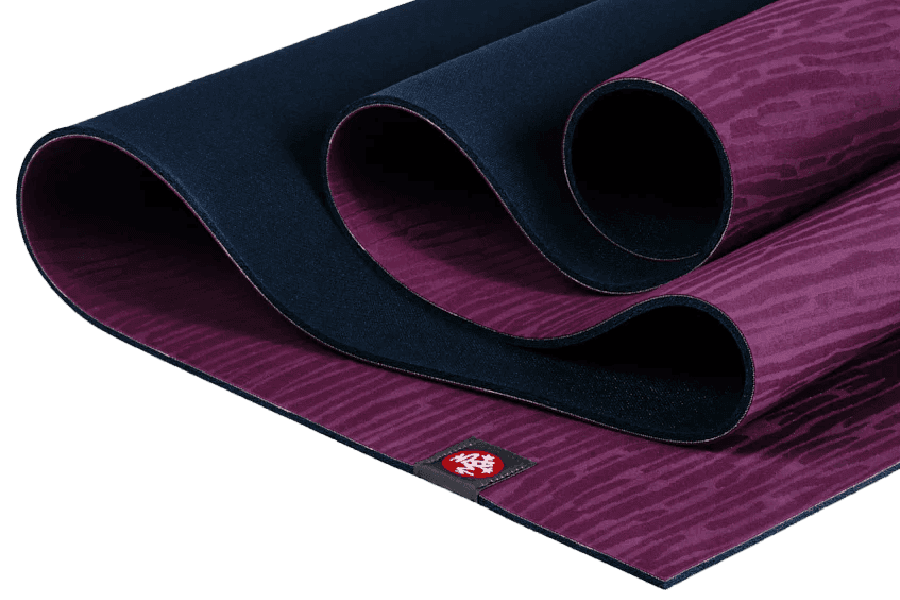
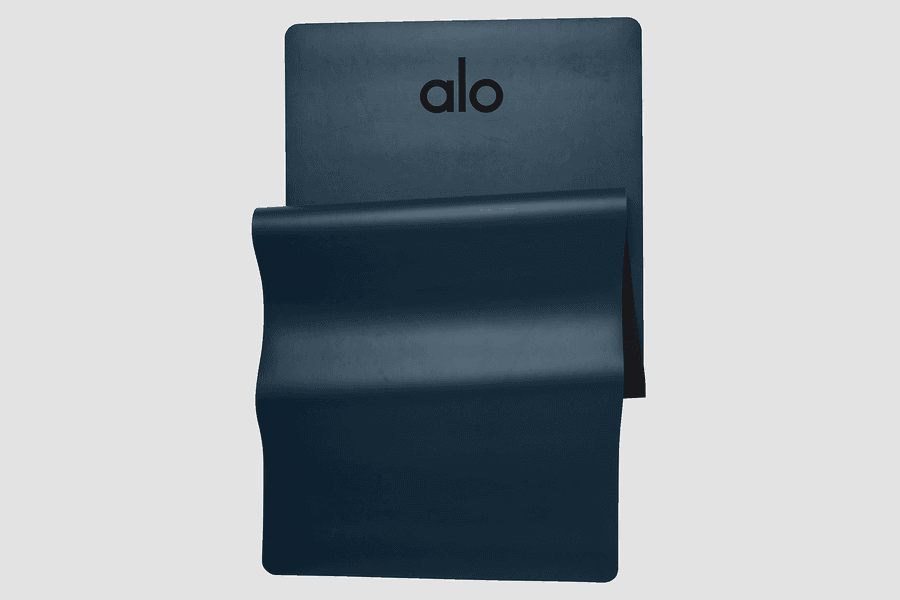
These meet in the middle of the premium price range and share almost nothing else. The eKO Lite is Manduka's natural rubber mat trimmed to 4 mm so it can travel. The Alo Warrior is a large, heavy studio mat with a polyurethane leather top over a rubber base. One is textured rubber you grip directly, the other is a smooth coated surface you grip through, and there are three pounds and fifty two dollars between them.
As an Amazon Associate, we earn from qualifying purchases made through links on this page. How this works
The quick answer
The Warrior gives you a bigger mat and a nicer finish, and independent testing says that is roughly where its advantages end. GearLab scored it 62 out of 100, thirteenth of 19 mats, with 7 out of 10 dry grip and 4.5 wet, and measured it at 8.1 pounds, the heaviest mat in the test. The eKO Lite has not been through the same lab, and we are not going to lend it the full eKO's excellent scores, but it is 5 pounds of textured natural rubber from a brand that has made rubber mats for two decades, at fifty two dollars less.
If your mat travels, get the eKO Lite. If it lives in one room and you want the extra footprint and the matte finish enough to pay for them, get the Warrior with clear eyes about its wet grip.
Get the Manduka eKO Lite if...
- Your mat gets carried to class
- You want to spend $52 less
- You want rubber you can clean with ordinary mild soap
- You want a 79 inch long version as an option
Get the Alo Warrior if...
- You want a much bigger mat at 74.4″ × 26.4″
- You want a smooth matte surface rather than textured rubber
- The mat stays home and weight does not matter
- You want the mat that anchors hardest to a wood floor
Side by side
Price
The eKO Lite lists for $52 less.
$96
List price · check price at Amazon
$148
List price · check price at aloyoga.com
Thickness
The Warrior is 25% thicker.
4 mm0.16″
5 mm0.2″
Weight
The eKO Lite is 3 lbs lighter.
5 lbs2.2 kg
8 lbs3.6 kg
Size
The Warrior is 3.4″ longer; the Warrior is 2.4″ wider.
Same on both
- Built on natural rubber, so not latex safe
- Rubber smell for the first week or two
- No warranty beyond a 30 day return window
- Both lose grip once you are really dripping
Full specs
Dimensions
Materials & build
Buying
A rubber mat and a coated one
The eKO Lite is Manduka’s natural rubber mat trimmed to 4 mm so it can travel, at $96. The Alo Warrior is a large, heavy studio mat with a polyurethane leather top over a rubber base, at $148. They meet in the middle of the premium price range and share almost nothing else.
One is textured rubber you grip directly. The other is a smooth coated surface you grip through. That, the fifty two dollars, and three pounds of carrying weight are the whole comparison.
Grip: both are dry weather surfaces
GearLab tested the Warrior and scored it 7 out of 10 for dry grip and 4.5 wet, which puts it mid pack in a 19 mat field and well behind the mats people buy for hot yoga. Its testers liked how firmly it anchors to the floor and noted that some of them wished the surface had more give under the hands. It grips fine in a normal class and gets slick when you drip.
The eKO Lite has not been through the same lab, and we are not going to borrow the full eKO’s excellent scores for a different mat. Manduka’s own description is unusually specific and worth reading literally: textured natural grip that provides reliable traction in dry conditions. The closed cell surface keeps sweat out rather than drawing it in, so moisture sits on top and the grip drops. Owner reports line up with that. Both mats want a towel in a heated room.
Room to move, and whether you need it
The Warrior is 74.4″ × 26.4″. The eKO Lite is 71″ × 24″. That is roughly three extra inches of length and two and a half of width, and GearLab called the extra space one of the Warrior’s genuine strengths: a wider stance and a wide down dog stay on the mat.
Twenty four inches is the old standard and it feels tight once you have practiced on 26. If length is what you are after rather than width, Manduka sells the eKO Lite Long at 79″ × 24″, which costs less than the Warrior and weighs less than half as much.
Five pounds against eight
This is the spec most likely to decide it. Alo lists the Warrior at 8 pounds and GearLab measured 8.1, making it the heaviest mat in that entire test, heavier than the Manduka PRO. The eKO Lite is 5 pounds, which is the whole reason the Lite exists.
Eight pounds is fine in a car and unpleasant on a shoulder for a fifteen minute walk. If your mat lives in a corner of the living room, ignore this section entirely. If it commutes, the Warrior is the wrong shape of purchase and no amount of surface quality fixes it.
Cushion and what each one feels like
The Warrior is 5 mm and scored 7 out of 10 for comfort and support, described as comfortable for joints in most poses but slightly thinner than average for its class. The eKO Lite is 4 mm, and Manduka describes its rubber foam as soft cushioning that rebounds with movement. Neither is a plush mat.
The surfaces are the bigger difference. The Warrior’s matte polyurethane is smooth and pleasant against skin, closer to a finished product than a piece of gym equipment, and that finish is most of what Alo is selling. The eKO Lite is textured rubber, which reads as rougher under a forearm and communicates more about what your hands are doing. Preference here is genuinely personal.
How each one wears out
Coated mats fail at the coating. The Warrior’s polyurethane layer is the part doing the gripping, and once it thins or lifts at the spots your hands land, that area is finished while the rubber underneath is still fine. GearLab scored it 6 out of 10 on materials, its second weakest category, and dark marks from sweat are a common owner complaint.
The eKO Lite fails more slowly and more evenly, because there is no layer to lose: it is rubber the whole way down and it thins with use. Natural rubber does hate sunlight, so leaving either mat in a hot car or on a sunny patio shortens its life. Neither mat carries a warranty; both brands offer 30 day returns and nothing after that, which for mats at this price is a real mark against both of them.
Materials, latex and cleaning
Both contain natural rubber, so neither is safe if you have a latex allergy, and both smell like rubber for the first week or two. Manduka makes the eKO Lite in Taiwan from rubber with over 30 percent recycled content. Alo makes the Warrior in China and markets it as PVC free and formaldehyde free, which is a materials claim rather than a performance one.
Cleaning splits along the same line as everything else. The eKO Lite takes a damp cloth and mild soap without complaint. The Warrior’s coated top does not want oils, alcohol or vinegar, which rules out most household mat sprays, and GearLab scored it 7 out of 10 for care and cleaning. Wipe it with water and dry it flat out of the sun.
Price and where to buy
The Warrior sells only through aloyoga.com and Alo stores at $148, and it rarely moves. The eKO Lite lists at $96 and is on Amazon as well as manduka.com, where individual colorways drift in price and often sit well under list.
Worth naming plainly: in independent testing the Warrior scored 62 out of 100 and finished 13th of 19, behind several mats that cost half as much. You can buy it and enjoy it, but you are not buying a performance leader, and the price does not reflect a test result.
Bottom line
Get the eKO Lite if the mat moves. It costs fifty two dollars less, weighs three pounds less, grips well in a dry room, and comes from a brand that has been making rubber mats for two decades. You give up two and a half inches of width and the finish.
Get the Warrior if the mat stays home, you want the extra footprint, and you like how it looks and feels enough to pay for it. Go in knowing the wet grip is mediocre and the surface is a wear item. If you like the Alo idea but want better numbers for less money, our Alo Warrior vs IUGA comparison is the one to read next.
Alo Warrior
List price $148
Frequently Asked Questions
- Which one grips better?
- Both are dry weather surfaces and neither is a hot yoga specialist. GearLab rated the Warrior 7 out of 10 for dry grip and 4.5 wet, mid pack in a 19 mat field, and noted some testers wished its surface had more give under the hands. Manduka scopes its own eKO Lite claim carefully, describing textured natural grip with reliable traction in dry conditions. Its closed cell surface keeps sweat out rather than drawing it in, so moisture sits on top. Both want a towel in a heated room.
- Is the Alo Warrior really 8 pounds?
- Yes, and GearLab measured 8.1, making it the heaviest mat in a 19 mat test, heavier than the Manduka PRO. The eKO Lite is 5 pounds. That gap is fine in a car and unpleasant on a shoulder for a fifteen minute walk. If your mat commutes, this single spec probably decides the comparison regardless of how the surfaces compare.
- How much bigger is the Warrior?
- About three inches longer and two and a half wider: 74.4 by 26.4 inches against the eKO Lite's 71 by 24. GearLab called the extra space one of the Warrior's genuine strengths, since a wide stance and a wide down dog stay on the mat. If it is length you want rather than width, Manduka's eKO Lite Long is 79 by 24 inches, costs less than the Warrior, and weighs less than half as much.
- How does each one wear out?
- Differently. The Warrior's polyurethane top is the part doing the gripping, so once it thins or lifts where your hands land, that area is finished while the rubber underneath is still fine. GearLab scored it 6 out of 10 on materials, and dark sweat marks are a common owner complaint. The eKO Lite has no layer to lose, so it thins gradually and evenly. Natural rubber in both hates sunlight, so a hot car or a sunny patio shortens either mat's life.
- How do you clean them?
- The eKO Lite takes a damp cloth and mild soap without complaint. The Warrior's coated top does not want oils, alcohol or vinegar, which rules out most household mat sprays, and GearLab rated it 7 out of 10 for care and cleaning. Wipe it with water, dry it flat, and keep it out of direct sun. Harsh cleaners are the fastest way to ruin a polyurethane surface.
- Is either one covered by a warranty?
- Neither, which is a fair criticism of both at these prices. Manduka gives you 30 days to return the eKO Lite and Alo gives you 30 days on the Warrior, and after that you are on your own. Manduka's lifetime guarantee applies to its PVC mats like the PRO and PROlite, not to the rubber eKO line, so do not assume it carries over.
Related comparisons
- JadeYoga Harmony XW vs Alo Warrior
- JadeYoga Harmony 68" vs Manduka eKO Lite
- Manduka PROlite Long & Wide vs Alo Warrior
- Manduka eKO Lite vs Suga SugaMat
- Manduka PRO vs Alo Warrior
- Manduka GRP Adapt 2.0 Long vs Alo Warrior
- JadeYoga Harmony 74" vs Manduka eKO Lite
- Manduka eKO Long vs Alo Warrior
- Alo Warrior vs Lululemon The (Big) Mat 5mm