Manduka Begin vs Gaiam Classic Print: Which One Should You Buy?
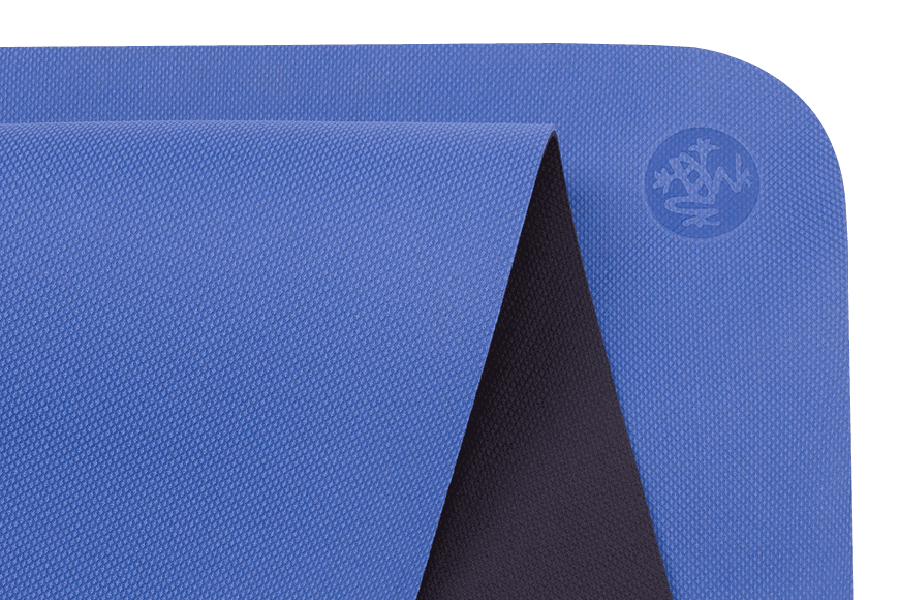
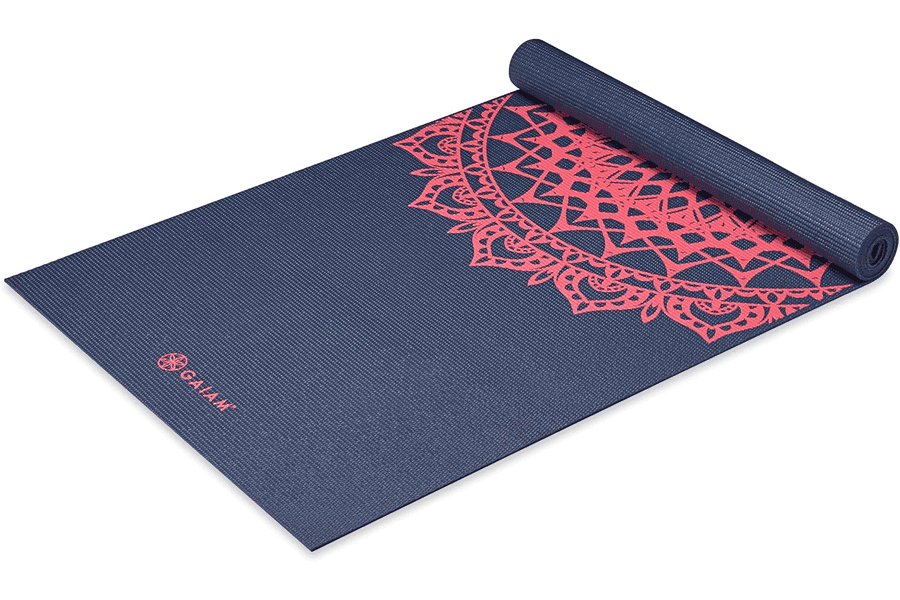
This is a comparison between two starter mats rather than the usual budget-against-premium argument, which makes it more useful than most. The Manduka Begin is 5 mm of soft-touch TPE with an alignment stripe printed down the middle, at $62. The Gaiam Classic Print is 4 mm of printed sticky PVC at $24.98. Both are light, both are latex-free, and neither will keep gripping once your hands are wet.
As an Amazon Associate, we earn from qualifying purchases made through links on this page. How this works
The quick answer
The Begin gives you a teaching feature the Gaiam does not have, plus an extra millimeter of softer cushion and ten colorways that are reversible for a second look. The alignment stripe is the best thing on any mat at this price if you are learning from videos at home, because it gives you something to square hands, feet and spine against.
The Gaiam costs $37.02 less, weighs a little less again, and grips about as well. If you already know your way around a mat, or you are still deciding whether yoga sticks, the cheaper one is the sensible purchase and nobody will talk you out of it.
Get the Manduka Begin if...
- You are learning at home and want the alignment stripe
- You want the extra millimeter of softer cushion under knees
- You want a choice of ten colorways, reversible for two looks
- You want the softer, more forgiving surface underhand
Get the Gaiam Classic Print if...
- You would rather keep the $37.02
- You are not sure yet how much you will practice
- You want the lightest carry at 2.1 pounds
- You prefer a printed design to a plain colored mat
Side by side
Price
The Classic Print lists for about $37 less.
$62
List price · check price at Amazon
$24.98
List price · check price at Amazon
Thickness
The Begin is 25% thicker.
5 mm0.2″
4 mm0.16″
Weight
The Classic Print is 0.4 lbs lighter.
2.5 lbs1.1 kg
2.1 lbs0.95 kg
Size
Same length; same width.
Same on both
- Identical 68″ × 24″ footprint
- Both are latex-free and safe with a rubber allergy
- Closed-cell surfaces; sweat sits on top rather than soaking in
- Both grip dry from the first session and both slip once damp
- Wipe-clean care and no machine washing
Full specs
Dimensions
Materials & build
Buying
Two starter mats, not a budget versus premium fight
Most comparisons at this site put an expensive mat against a cheap one. This is not that. Both of these are entry mats sold to people taking their first classes, both weigh next to nothing, both are latex-free, and both share a 68″ × 24″ footprint.
The Manduka Begin is $62: 5 mm of soft-touch TPE with an alignment stripe printed down the middle. The Gaiam Classic Print is $24.98: 4 mm of printed sticky PVC.
So the question is narrow and practical: is a teaching feature and a millimeter of cushion worth $37.02 to someone just starting?
The alignment stripe does real work
A printed center line sounds like a gimmick until you practice from a video with nobody watching you. It gives you something to square hands, feet, and hips against, which is exactly the feedback a teacher would otherwise be providing over your shoulder.
Two honest caveats. It is printed rather than etched, so expect it to fade over years of heavy use. And practitioners with a settled practice stop seeing it entirely, at which point the Gaiam’s plain printed surface costs you nothing at all.
If you want guides that never wear off, that is a different price bracket and means the Liforme, at more than double the Begin.
Grip: closer than the price gap suggests
Neither of these is a grip mat. The Begin’s soft-touch TPE and the Gaiam’s textured sticky PVC both work with dry hands from the first session, and both give way once your palms are damp.
That is a property of the materials rather than a fault of either brand. TPE and sticky PVC keep sweat on the surface, and once there is a film of it, traction goes. It is the single most common reason a new practitioner concludes they are bad at yoga when the mat is actually the problem.
If grip is what you care about most, both are the wrong purchase and natural rubber is the material to shop for. That means the Jade Harmony or Manduka’s eKO line, at roughly double again.
A millimeter, and a softer millimeter at that
The Begin is 5 mm against the Gaiam’s 4, and its TPE is softer as well as thicker. Both of those point the same way, so the Begin is the kinder mat under a kneecap.
Where you will notice it is tile, concrete, or thin carpet over a hard subfloor. On a proper carpet you will struggle to tell them apart at all. Neither is dense enough to feel especially planted in a standing balance, though at these thicknesses that is a small point.
Colors, prints, and reversibility
The Begin came in around ten colorways at last count and is reversible, so one mat gives you two looks. They are plain colors rather than patterns, which suits some people and bores others.
The Classic Print is exactly what its name says: a rotating set of printed designs. If the way the mat looks in your living room is part of why you are buying it, Gaiam has the stronger hand here and it costs less.
Both are genuinely light
2.1 pounds against 2.5. The Begin is the lightest mat Manduka makes and the Gaiam is lighter again, and both sit among the lightest full-size mats you can buy.
This should not decide your purchase. Four tenths of a pound is not something you will feel on a shoulder, and if daily carrying is the main constraint you have already won with either.
The cheaper mat has the better paperwork
Manduka gives the Begin a 30 day return window and no warranty at all. Gaiam advertises a lifetime guarantee on the $24.98 Classic Print.
Before that changes your mind, note that neither covers how these mats genuinely end, which is compression and thinning where your hands and heels land. No guarantee treats ordinary wear as a defect. Expect a year or two of regular practice from either and budget accordingly.
Both are safe with a latex allergy
Worth stating plainly because it narrows a lot of people’s options. The Begin is TPE, the Classic Print is PVC, and neither contains natural rubber.
If an allergy is what steered you away from Jade or Manduka’s eKO line, both of these are open to you and you can decide on the stripe, the cushion, and the price rather than on materials. The Manduka X is the tougher TPE step up if you want one later.
Prices and where to buy
Check the current Begin price at Amazon and the current Classic Print price at Amazon. Manduka discounts individual Begin colorways on its own site fairly regularly, so the gap between these two is sometimes smaller than list price suggests.
Both sell direct as well, and both are easy to return, which is worth something when you are buying your first mat and do not yet know what you like.
Bottom line
Get the Manduka Begin if you are genuinely new and learning at home. The stripe is the most useful feature on any mat at this price for someone who cannot see themselves, and the extra millimeter of soft TPE helps on a hard floor.
Get the Gaiam Classic Print if you have practiced before, if you want a design you like, or if you are not yet sure how far this goes. It grips the same, weighs the same, and leaves $37.02 in your pocket toward the rubber mat you will probably want in a year.
Manduka Begin
List price $62
Gaiam Classic Print 4mm
List price $24.98
Frequently Asked Questions
- Is the alignment stripe worth $37?
- For a genuine beginner learning from videos, we think it is close. A printed center line gives you a reference for squaring hands, feet and hips, which is the kind of feedback a teacher would otherwise provide. Two caveats: it is printed rather than etched, so expect it to fade over years of heavy use, and practitioners with a settled practice stop noticing it. If you already know where your feet go, keep the money.
- Which one grips better?
- They are closer than the price gap suggests, and neither is good. The Begin's soft-touch TPE and the Gaiam's textured sticky PVC both work with dry hands from the first session and both give way once your palms are damp. That is true of TPE and sticky PVC generally rather than a fault of either brand. If grip is your main concern, natural rubber is the material to shop for and both of these are the wrong answer.
- Which is more comfortable?
- The Begin, slightly, at 5 mm against 4, and its TPE is softer as well as thicker. On tile or a hardwood floor that shows up under a kneecap. On carpet you will struggle to tell them apart. Neither is dense enough to feel especially stable in a standing balance, though at these thicknesses that is a minor point.
- What about weight and carrying?
- Both are easy. The Gaiam is 2.1 pounds and the Begin is 2.5, so either is a genuinely light carry and among the lightest full-size mats you can buy. This is not a factor that should decide the purchase.
- Which lasts longer?
- Neither for very long, and the coverage is the wrong way round. Manduka gives the Begin a 30 day return window and no warranty at all, while Gaiam advertises a lifetime guarantee on the Classic Print. In practice both wear the same way, by compressing and thinning where your hands and heels land, and no guarantee treats that as a defect. Expect a year or two of regular practice from either.
- Are both safe with a latex allergy?
- Yes. The Begin is TPE and the Classic Print is PVC, and neither contains natural rubber. If an allergy is what steered you away from Jade or Manduka's eKO line, both of these are open to you and you can choose on the stripe, the cushion, and the price instead.
- What should I buy if I want to keep practicing?
- Honestly, neither of these forever. Both are entry mats and both wear out. The Begin is the better one to learn on and the Gaiam is the cheaper way to find out whether you will stick with it. When you outgrow whichever you pick, the upgrade that people notice most is grip, which means a rubber mat like the Jade Harmony or Manduka's eKO, or dense PVC like the PROlite if latex rules rubber out.
Related comparisons
- Manduka Begin vs IUGA Eco Friendly Non Slip PU
- Manduka Begin vs Gaiam Performance Dry-Grip 5mm
- Manduka Begin vs Hugger Mugger Earth Elements 5mm
- Amazon Basics 1/4 Inch Thick TPE vs Gaiam Classic Print 4mm
- Manduka Begin vs JadeYoga Level One
- Gruper TPE 6mm vs Gaiam Classic Print 4mm
- Manduka Begin vs Gaiam Performance Dry-Grip Long & Wide
- Manduka Begin vs 42 Birds The Robin
- YogaAccessories Extra Thick Deluxe 1/4" vs Gaiam Classic Print 4mm