Liforme Classic vs Manduka PRO Travel: Which One Should You Buy?
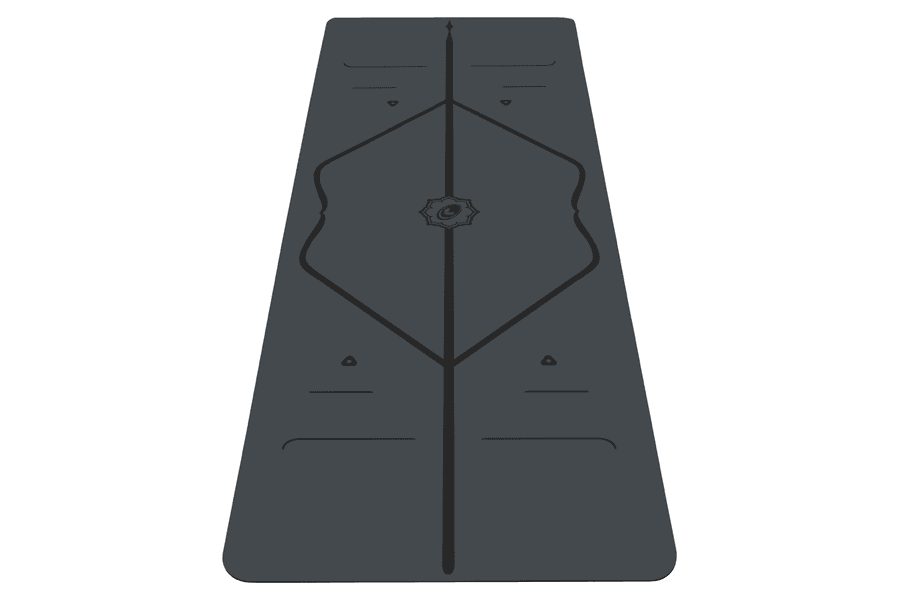
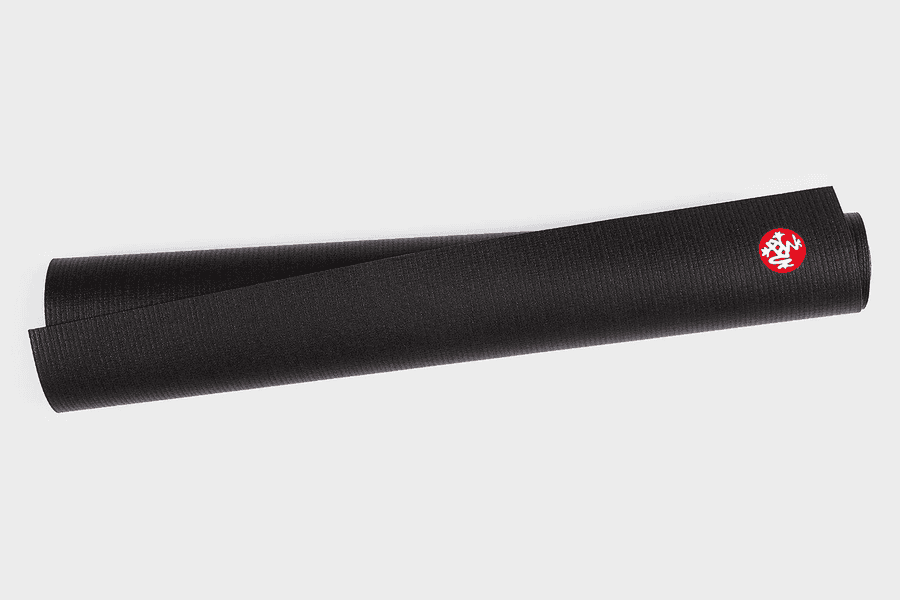
The Liforme Classic is a $165 mat built around one thing: grip that holds when you sweat, with an etched alignment grid on top. The Manduka PRO Travel is a $74 sheet of dense PVC that folds into luggage. The gap in price is $91, the gap in purpose is bigger, and plenty of people end up owning both.
As an Amazon Associate, we earn from qualifying purchases made through links on this page. How this works
The quick answer
The Liforme is the mat you practice on. GearLab rated its grip 9 out of 10 dry and 7 wet and gave it a Top Pick award for alignment, and its care and cleaning score of 9 was joint best in the field. It is also 5.5 pounds, sold with 30-day returns and no warranty, and only 4.2 mm thick. The PRO Travel is 2 mm, folds flat at 2.9 pounds, absorbs nothing, needs weeks of breaking in, and carries Manduka's lifetime guarantee.
Buy the Liforme if you want grip and guides on the mat you use most. Buy the PRO Travel if you need something that packs, and do not expect it to replace the Liforme at home.
Get the Liforme if...
- You sweat and want a surface that keeps gripping
- Alignment guides would actually change how you practice
- This is the mat you unroll most days
- You want a slightly longer and wider mat at 72.8 by 26.8 inches
Get the PRO Travel if...
- You want a mat that folds flat into a carry-on
- You'd rather keep $91 for a second mat
- You want a lifetime guarantee rather than 30-day returns
- You practice over carpet, hotel floors or borrowed mats
Side by side
Price
The PRO Travel lists for $91 less.
$165
List price · check price at Amazon
$74
List price · check price at Amazon
Thickness
The Liforme is 110% thicker.
4.2 mm0.17″
2 mm0.08″
Weight
The PRO Travel is 2.6 lbs lighter.
5.5 lbs2.5 kg
2.9 lbs1.3 kg
Size
The Liforme is 1.8″ longer; the Liforme is 2.8″ wider.
Same on both
- Firm rather than plush underfoot
- Wipe clean with a damp cloth
- Lie flat without curling
Full specs
Dimensions
Materials & build
Buying
- Long79" × 24"
A specialist mat and a packable one
The Liforme Classic is $165 of eco-polyurethane over natural rubber, 4.2 mm thick, with a grid of alignment lines etched into the surface. The Manduka PRO Travel is $74, 2 mm of dense German PVC, and folds flat at 2.9 pounds.
The price gap is $91 and the mats do different jobs, so this is rarely a straight either-or. It is worth walking through anyway, because the Liforme has a reputation for being carried around that its weight does not really support, and because plenty of people end up buying one of each.
Grip: this is what the $165 buys
The Liforme’s top layer takes sweat into the coating rather than letting it sit on the surface, and it works. GearLab rated it 9 out of 10 dry and 7 wet, among the best in a 19-mat field, and gave it a Top Pick award. Heavy sweaters can saturate the surface late in a long heated class, at which point a towel wipe resets it, but for most practices it simply does not let go.
The PRO Travel is closed-cell PVC, which absorbs nothing at any thickness. Sweat pools on top and wet hands slide. It also arrives slick and wants a few weeks of regular use before the grip comes up; Manduka retired its old salt-scrub advice and now says the slickness resolves on its own, which it does. If you sweat and you only own the Manduka, you are practicing with a towel.
The etched lines, and who they are actually for
Liforme’s central line, the angled foot markers and the concentric guides are the reason GearLab’s award reads Best for Fine-Tuning Alignment. They are useful if you practice alone, if you are working on squaring hips or setting a consistent stance width, or if you teach and want a shared reference. They are also the thing owners either love or forget about entirely within a month.
The PRO Travel is a plain surface with no markings. If the lines are what draws you to Liforme, no travel mat replaces them, and that is a real reason to keep the Liforme as the mat you practice on most.
Four millimeters against two
Neither of these is a thick mat. The Liforme is 4.2 mm and GearLab scored its comfort and support 7 out of 10, mid-pack: enough for standing work and floor sequences, thin enough that owners of sensitive knees often fold a towel under them.
The PRO Travel halves that again. Manduka describes it as high-density support with light joint protection, and on hardwood you feel the floor through it. It is stable, and firm enough that balances and inversions do not wobble, but it is a grip layer rather than padding. Over carpet or laid on a studio loaner it is genuinely good.
Six pounds does not go in a carry-on
Liforme lists the Classic at 5.5 pounds and GearLab weighed one at 6.2. It comes with a decent carry bag, which softens the trip to a studio, but it rolls into a thick tube and it is heavier than the Lululemon and the Manduka GRP Adapt 2.0. Carrying it through an airport is a choice you make once.
The PRO Travel is 2.9 pounds and folds rather than rolls, which is the whole point of it. It lies flat against the back of a suitcase and adds no bulk to a tote. Fold creases show early and settle down with use.
Thirty days against a lifetime guarantee
Liforme sells with a 30-day return window and no warranty after that, which is the standard position across premium polyurethane mats. The surface is a wear item: owners who practice daily report the top layer thinning at the hands and feet over a few years, and heavy oils or harsh cleaners speed it up. Day to day it is easy to live with, and GearLab scored its care and cleaning 9 out of 10, the joint best in the group.
The Manduka carries the PRO series lifetime guarantee, which in the fine print means roughly ten years of regular use, one replacement, and proof of purchase from an authorized seller, and on Amazon that means sold and shipped by Amazon. Closed-cell PVC also wipes clean in seconds because nothing soaks in, which is worth more on a hotel floor than at home.
Size and colors
The Liforme is 72.8″ × 26.8″, a little longer and a little wider than a standard mat, and it comes in gray, blue, purple, and several more colorways at last count. Liforme does not sell the Classic in other sizes.
The PRO Travel is 71″ × 24″, narrow by current standards, with a 79″ Long version at $84 for taller practitioners. Colors run to black, midnight, or black sage at last count, which is what you would expect from a mat sold as luggage.
Price and where to buy
$165 against $74. Liforme raised the Classic’s US price from $160 recently, and its own site reports prices in pounds, so ignore any figure you see that is not clearly in dollars. Both mats sell on Amazon: check the Liforme at Amazon and the PRO Travel at Amazon for current pricing.
Together they come to about $239, which is a common setup: the Liforme at home for the practice you care about, the Manduka in the bag for everything else. If you would rather one mat did both jobs, our Liforme vs B Mat Everyday page covers a lighter full-size alternative.
Bottom line
Buy the Liforme if grip when you sweat and the alignment guides are what you want, and if the mat is going to live where you practice. It is expensive, it is not especially thick, and there is no warranty behind it, but it does the thing it is famous for.
Buy the PRO Travel if you need a mat that packs. It is thin, slick until broken in, useless with wet palms, and it folds into a carry-on for $74 with a lifetime guarantee attached. Those are not competing purchases, and the honest answer for most people who ask is that the Liforme comes first.
Liforme Classic
List price $165
Frequently Asked Questions
- Is the Liforme worth $165?
- If you sweat, probably yes. Its polyurethane top takes moisture into the coating rather than letting it sit, and GearLab measured 9 out of 10 dry grip and 7 wet, among the best of 19 mats. What you are not getting is thickness, at 4.2 mm, or a warranty, since Liforme sells with 30-day returns only. Liforme raised the US price from $160, and its own site reports prices in pounds, so ignore any figure that is not clearly in dollars.
- Do the alignment lines actually help?
- For some people, a lot. The central line and the angled foot markers are useful for squaring hips, setting a consistent stance width, and practicing alone without a teacher's eye. GearLab's award for the mat is specifically for fine-tuning alignment. Other owners stop noticing them within a month. If you already practice with a mirror or a teacher, they matter less.
- Can you travel with a Liforme?
- You can carry one to a studio, since it comes with a decent bag, but at 5.5 pounds by Liforme's figure and 6.2 on GearLab's scale it is heavier than the Lululemon The Mat and the Manduka GRP Adapt 2.0. It rolls rather than folds, so it will not lie flat in a carry-on. That is the gap the PRO Travel fills at 2.9 pounds.
- How long does a Liforme last?
- The top layer is a wear item. Owners practicing daily report it thinning at the hands and feet over a few years, and oils or harsh cleaners speed that up. Liforme's coverage is a 30-day return window and nothing after. The PRO Travel's PVC is the more durable material and is covered by Manduka's lifetime guarantee, which reads as roughly ten years of regular use and one replacement.
- Is the PRO Travel any good for sweaty practice?
- No. It is closed-cell PVC, which absorbs nothing at any thickness, so sweat pools on top and wet palms slide. It also ships slick and needs a few weeks of regular use before the grip arrives, which Manduka now says resolves on its own. In a heated room it needs a towel, and even then the Liforme is the better surface.
- Which is thicker?
- The Liforme, at 4.2 mm against 2 mm, though neither is a plush mat. GearLab scored the Liforme's comfort and support 7 out of 10, mid-pack, and owners with sensitive knees often add a folded towel. The PRO Travel is firm 2 mm that Manduka describes as light joint protection, which is accurate: on a hard floor you feel the floor.
Related comparisons
- JadeYoga Travel 68" vs Manduka PRO Travel
- JadeYoga Harmony XW vs Liforme Classic
- Liforme Classic vs Yoloha Unity Pro Cork
- JadeYoga Level One vs Manduka PRO Travel
- Manduka PROlite Long & Wide vs Liforme Classic
- JadeYoga Voyager vs Manduka PRO Travel
- Manduka PRO Travel vs Lululemon The Mat 3mm
- Alo Warrior vs Liforme Classic
- Manduka GRP Adapt 2.0 Long vs Liforme Classic