Liforme Classic vs Classic Travel: Which One Should You Buy?
The Liforme Classic and Classic Travel use the same moisture-responsive grip and alignment system, but they are built for different routines. The Classic is 4.2mm thick and weighs 5.5 pounds. The Travel cuts that to 2mm and 3.5 pounds, making it easier to carry but much less forgiving on a hard floor.
As an Amazon Associate, we earn from qualifying purchases made through links on this page. How this works
The quick answer
The Classic is the better primary mat. It gives you more than twice the thickness, a slightly larger practice area and stronger independent test coverage for only $30 more. The Travel preserves Liforme's grip and alignment features while dropping two pounds, but 2mm offers limited protection for knees and hips.
Get the Classic for regular home or studio practice. Get the Classic Travel if you commute frequently, travel with a rolled mat or plan to place it over studio padding.
Get the Liforme Classic if...
- This will be your main mat
- You want 4.2mm cushioning on hard floors
- You want the larger 72.8 by 26.8 inch surface
- Two extra pounds will not stop you carrying it
Get the Classic Travel if...
- You carry a mat several times a week
- Saving two pounds matters more than cushioning
- You want a grippy layer over a studio mat
- You would rather keep the $30 difference
Side by side
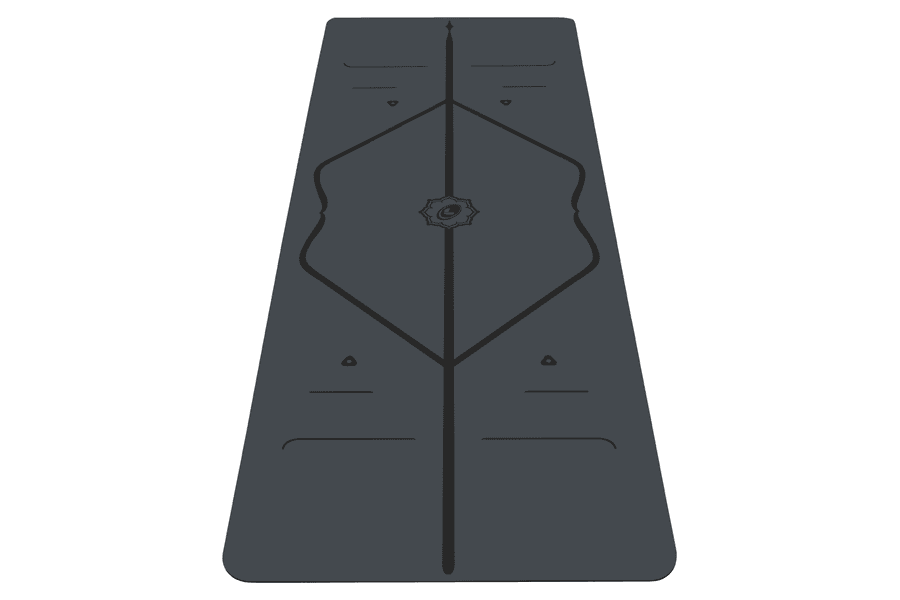
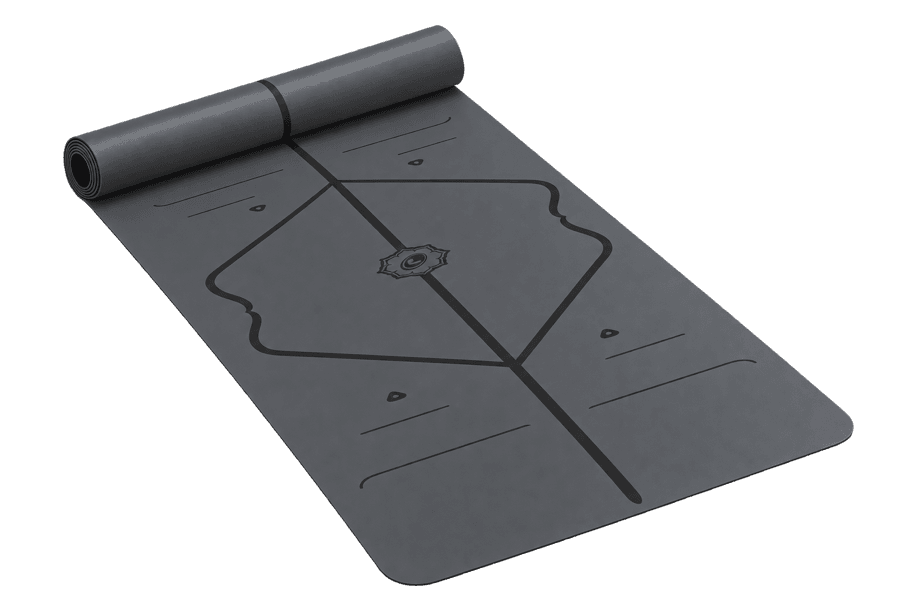
Price
The Classic Travel lists for $30 less.
$165
List price · check price at Amazon
$135
List price · check price at liforme.com
Thickness
The Liforme is 110% thicker.
4.2 mm0.17″
2 mm0.08″
Weight
The Classic Travel is 2 lbs lighter.
5.5 lbs2.5 kg
3.5 lbs1.6 kg
Size
The Liforme is 1.9″ longer; the Liforme is 0.8″ wider.
Same on both
- GripForMe polyurethane surface
- AlignForMe placement guides
- Natural-rubber base
- PVC-free and Vegan certified
- Carry bag included
- 30-day money-back guarantee on direct purchases
Full specs
Dimensions
Materials & build
Buying
The surface stays familiar while everything underneath gets thinner
The Classic Travel is not a cheaper imitation of the regular mat. Liforme gives it the same basic recipe: a moisture-responsive GripForMe polyurethane top, AlignForMe placement guides, and a natural-rubber base. Both arrive grippy, include a fitted bag, and need the same careful cleaning routine.
The travel version cuts the base from 4.2mm to 2mm, drops 2 pounds, and trims the footprint slightly. That is enough to change where the mat works best. The Classic is the one we would want on a hard studio floor every week. The Travel makes sense when carrying less matters more than cushioning.
Grip is the reason to choose either Liforme
Both mats use Liforme’s absorbent GripForMe surface. Sweat moves into the upper layer instead of pooling under your palms, while an internal barrier helps keep it out of the rubber base. Liforme says the Travel uses the same non-slip surface as its regular mats, so choosing the thin version does not mean accepting a different top.
Independent evidence is stronger for the Classic. GearLab’s current testing scored the full-size mat 9 out of 10 for dry grip and 7 for wet grip. The Travel has not had the same controlled comparison, so we would not promise identical measured performance. Still, its materials and intended use support the same basic conclusion: both suit people who dislike a slippery break-in period.
Two millimeters is the compromise you will notice
At 4.2mm, the Classic gives knees and hip bones a useful layer between the body and the floor. The rubber is firm enough for standing balance, but there is enough material for regular kneeling and seated work. GearLab found the regular Liforme comfortable even on hard surfaces.
The 2mm Travel keeps you much closer to the floor. That can feel stable during standing sequences, but it does little for tender knees on tile or concrete. In a studio, it can sit over a communal mat as a grippy personal layer. Used by itself on a hotel floor, a folded towel under the knees is a sensible addition.
The Travel saves two pounds, but it is not ultralight
The Classic weighs 5.5 pounds. It is reasonable for a short walk to class, especially with the included bag, but it takes up a fair amount of luggage space. The Travel weighs 3.5 pounds and rolls into a noticeably smaller cylinder. Liforme calls that about 40% lighter than its regular mat.
Three and a half pounds is still heavy beside a roughly two-pound foldable travel mat. Liforme also tells owners not to fold it, so plan to carry it rolled. It is a good train, car, retreat, and frequent-studio mat. A traveler counting every ounce should compare it with the Manduka PRO Travel or a 1.5mm rubber mat.
The Classic also gives you a little more room
The Classic measures 72.8″ × 26.8″. The Travel is 70.9″ × 26″, so it gives up 1.9 inches of length and 0.8 inch of width. Neither is cramped by ordinary 68″ × 24″ standards, but taller or broad-shouldered practitioners may notice the loss.
The alignment pattern is scaled for each mat, and both provide the central line and hand and foot references that distinguish Liforme. If the Classic already feels barely long enough in savasana, the Travel is the wrong direction. The Liforme XL expands to 82.7″ × 27.6″ instead.
Neither mat tolerates careless storage
An absorbent polyurethane surface needs more attention than closed-cell PVC. Liforme says to clean both with a soft damp sponge, let them air-dry flat away from direct sunlight, and roll them with the colored surface facing out. Do not roll either mat while it is damp, and do not leave the rubber in a hot car.
The thin Travel is not disposable gear. Its top can wear just as a full-size polyurethane surface can, and the smaller base gives it less protection from rough ground. Use it outdoors if needed, but sand, grit, and sharp surfaces are poor treatment for a $135 mat. Neither model carries a conventional warranty; direct purchases get a 30-day money-back guarantee.
The material story is the same
Both combine an eco-polyurethane top with a natural-rubber base. They are PVC-free and Vegan certified, and Liforme says the mats are designed to biodegrade within one to five years in normal landfill conditions. That is the brand’s claim, not an independent lifecycle test.
Natural rubber also means neither mat is appropriate for someone with a latex allergy. Expect a rubber smell when new and keep the mat away from extended sun and heat. The Travel uses less material, but its environmental advantage is mainly the smaller product rather than a different recipe.
The $30 saving does not make the Travel a value pick
The Classic lists for $165; the Travel lists for $135. Check the current Liforme Classic price at Amazon and the Classic Travel price at Liforme. No current Amazon listing was verified for the Travel.
The Travel costs less because it contains much less mat, not because it is the economical all-purpose choice. If this will be your only mat, the extra $30 for more than double the thickness is easy to justify. Pay for the Travel when its lower weight will change how often you bring a mat with you.
Bottom line
Get the Classic for regular home or studio practice. It provides the grip and alignment system people buy Liforme for, with enough cushioning to work as a primary mat on hard floors.
Get the Classic Travel if you commute often, travel with a rolled mat, or want a personal grip layer over studio padding. The two-pound saving is real. So is the loss of cushioning, which makes it a specialized choice rather than a smaller bargain.
Liforme Classic
List price $165
Liforme Classic Travel
List price $135
Frequently Asked Questions
- What is the difference between the Liforme Classic and Travel mats?
- The Classic measures 72.8 by 26.8 inches, is 4.2mm thick and weighs 5.5 pounds. The Classic Travel measures 70.9 by 26 inches, is 2mm thick and weighs 3.5 pounds. They use the same basic polyurethane-over-rubber construction, grip system and alignment guides.
- Does the Liforme Travel have the same grip as the Classic?
- Liforme says the Travel uses the same GripForMe non-slip surface as its regular mats. Independent testing is stronger for the Classic, which GearLab scored 9 out of 10 for dry grip and 7 for wet grip. The Travel has not had the same controlled comparison.
- Is the 2mm Liforme Travel thick enough by itself?
- It is usable by itself, but 2mm provides little cushioning on tile or concrete. It suits standing flows, travelers without sensitive joints and people who place it over a padded studio mat. Choose the 4.2mm Classic for frequent kneeling or floor work.
- Can you fold the Liforme Classic Travel mat?
- Liforme instructs owners not to fold its mats. The Classic Travel rolls into a smaller package than the regular Classic and includes a travel bag, but it is not a fold-flat luggage mat.
- How do you clean and dry Liforme mats?
- Use a soft damp sponge with a suitable mat cleaner, wipe gently and let the mat air-dry flat away from direct sunlight. Roll it only when fully dry, with the colored side facing outward. Avoid soaking, harsh chemicals and hot cars.
- Are the Liforme Classic and Travel safe for latex allergies?
- No. Both use a natural-rubber base, so someone with a latex or rubber allergy should choose a mat made from another material. Vegan certification does not mean latex-free.
Related comparisons
- JadeYoga Harmony XW vs Liforme Classic
- Liforme Classic vs Yoloha Unity Pro Cork
- Manduka PROlite Long & Wide vs Liforme Classic
- Liforme Classic Travel 2mm vs Yoga Design Lab Infinity 3mm
- Alo Warrior vs Liforme Classic
- b, halfmoon B Mat Everyday 4mm vs Liforme Classic Travel 2mm
- Manduka GRP Adapt 2.0 Long vs Liforme Classic
- Yoga Design Lab Combo 3.5mm vs Liforme Classic Travel 2mm
- Liforme Classic vs b, halfmoon B Mat Strong 6mm