Manduka eKO Long vs eKO Lite: Which One Should You Buy?
These mats share Manduka's textured closed-cell natural rubber but suit very different routines. The eKO Long measures 79 by 26 inches, is 5 mm thick, and weighs 8 pounds. The standard eKO Lite is 71 by 24 inches, 4 mm, and 5 pounds. Height and portability decide more than grip does.
As an Amazon Associate, we earn from qualifying purchases made through links on this page. How this works
The quick answer
The eKO Long is for tall or broad practitioners who want a roomier, more protective mat and can leave it at home. Its extra area and rubber improve fit and kneeling comfort, but 8 pounds is a serious commute.
Choose the eKO Lite if 71 inches fits and the mat goes to class. It keeps the same immediate dry rubber grip at three pounds less and $28 less. Tall commuters should consider the eKO Lite Long between these two.
Get the eKO Long if...
- You need a full 79 inches of length
- You want 26 inches of width
- Your joints benefit from 5 mm cushioning
- The mat can stay at home
Get the eKO Lite if...
- A 71 by 24 inch mat fits your body
- You regularly carry your mat
- Four millimeters suits your floor
- You would rather keep $28
Side by side
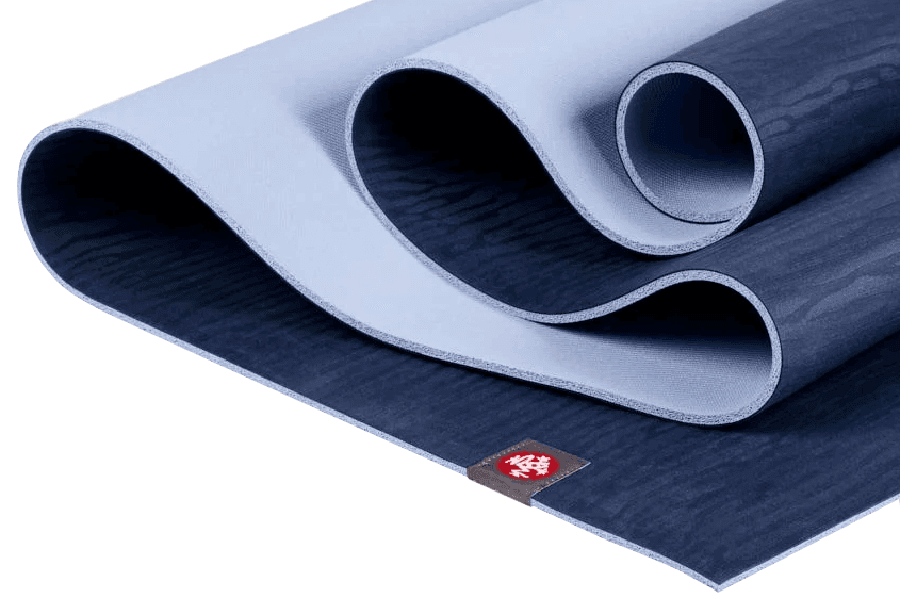
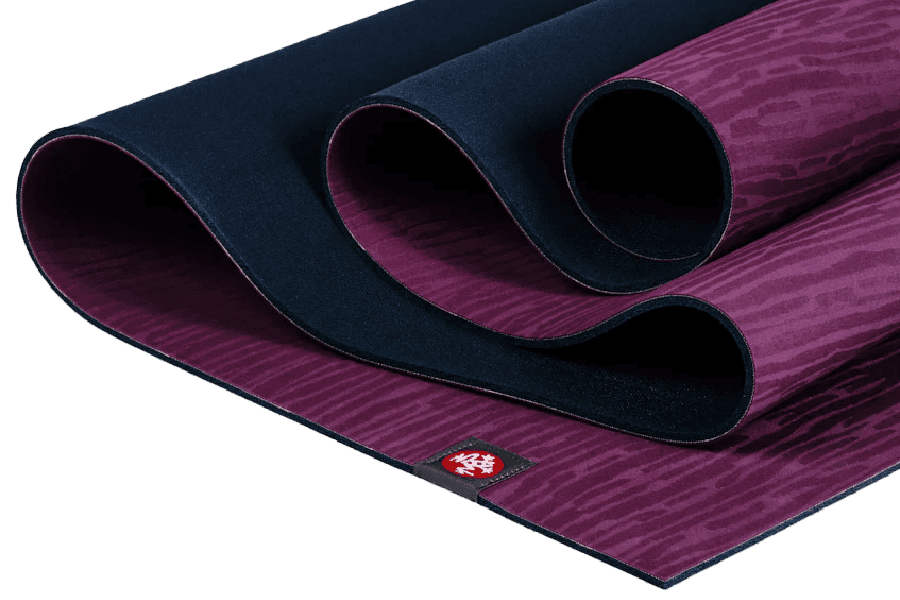
Price
The eKO Lite lists for $28 less.
$124
List price · check price at Amazon
$96
List price · check price at Amazon
Thickness
The eKO Long is 25% thicker.
5 mm0.2″
4 mm0.16″
Weight
The eKO Lite is 3 lbs lighter.
8 lbs3.6 kg
5 lbs2.2 kg
Size
The eKO Long is 8″ longer; the eKO Long is 2″ wider.
Same on both
- Textured closed-cell natural rubber
- Immediate dry grip without a break-in
- Made in Taiwan
- No long-term warranty
- Easy wipe-clean surfaces
- Not appropriate for latex sensitivity
Full specs
Dimensions
Materials & build
This is a fit or carry decision
The eKO Long and standard eKO Lite share Manduka’s textured closed-cell natural rubber, but almost every physical measurement is different. The Long is 79 by 26 inches, 5 mm thick, and 8 pounds. The Lite is 71 by 24, 4 mm, and 5 pounds.
Choose the eKO Long if a conventional mat leaves part of your body on the floor or you want better protection at home. Choose the eKO Lite if 71 inches fits and you regularly carry the mat. The $28 price gap matters less than eight extra inches and three extra pounds.
The eKO Long is much more than a size label
Eight inches of length keeps a tall practitioner’s head and heels on the mat in savasana. The eKO Long also adds two inches of width, which gives broad shoulders and wide stances more margin. It covers about 21% more floor than the eKO Lite, a difference visible before either mat is unrolled fully.
That space is valuable only if your body or practice uses it. A shorter practitioner in a crowded studio pays for extra rubber, carries it, and may overlap a neighbor’s area without receiving a practical benefit. The standard Lite fits racks, studio rows, and common mat bags more easily.
Hard floors favor 5 mm
The eKO Long starts with 5 mm of dense rubber against the Lite’s 4. That extra millimeter is noticeable when a knee, hip, or tailbone carries weight on tile or concrete. The Long feels more forgiving without becoming soft enough to undermine standing balance.
Four millimeters remains a sensible daily thickness on wood, carpet, or a sprung studio floor. It also gives a slightly clearer connection to the ground. Sensitive joints should favor the Long; practitioners who value a firmer platform and do little kneeling can comfortably choose the Lite.
The surface does not settle the choice
Both mats use a rippled natural-rubber surface with immediate dry traction. Neither needs the break-in period of a Manduka PRO. Hands and feet get the same tactile grip on both, so choosing the larger mat does not unlock a better compound or a different texture.
They share a sweat limitation too. Closed cells keep moisture from soaking in, leaving it on the practice surface. Damp hands are usually fine, while a wet heated class needs a towel. If perspiration is the main problem, compare the Lite with the GRP Adapt 2.0 instead.
Three pounds is enough to change your routine
Five pounds makes the eKO Lite a realistic shoulder carry. Eight pounds makes the eKO Long a better fit for a car or permanent home setup. The wider roll also catches more doorframes and occupies more space in a locker. A single short trip disguises this difference; three studio commutes a week do not.
The heavier Long lies securely and is unlikely to bunch during vigorous transitions. The Lite is not flimsy, though, and its five-pound body remains planted in ordinary flows. Buy the mat you will actually take to practice rather than the larger one that looks better on a specification table.
Same rubber, same maintenance limits
Wipe either mat gently, let it dry before rolling, and keep it away from direct sun, radiators, or a hot vehicle. Strong cleaners can damage natural rubber. The closed surface makes routine cleaning simple because sweat and dirt do not travel deep into the mat.
Neither carries the lifetime guarantee attached to Manduka’s PRO family. Rubber can show wear and scuffs over time, especially where hands and feet repeatedly land. The thicker Long has more material, but correct storage will have a larger effect on lifespan than the one-millimeter difference.
The missing middle is probably the best cross-shop
Tall buyers who like the Lite’s weight should not assume these are the only options. The eKO Lite Long measures 79 by 24 inches, weighs 5.6 pounds, and lists for $104. It gives up the eKO Long’s width and extra millimeter while preserving the length.
Color availability also favors the standard Lite, with around eight colorways at last count. The eKO Long is Midnight only. If height is borderline and appearance matters, the Lite offers far more choice. If 71 inches is plainly too short, color should not override fit.
The $28 gap buys three upgrades at once
The eKO Long lists for $124 and the eKO Lite for $96. Check the current eKO Long price and eKO Lite price because stock and color can move independently.
Paying $28 adds length, width, and thickness, so the Long is fairly priced. It is not automatically the better value because all three additions create weight. The Lite saves money while remaining the more usable product for an average-height studio commuter.
Bottom line
Buy the eKO Long if you are tall, broad, or need 5 mm protection on hard floors. Its larger surface and extra cushion improve practice every time, provided the mat can stay at home or travel by car.
Buy the eKO Lite if 71 by 24 inches fits your body and the mat goes to class. It keeps the same dry rubber grip at three pounds less and $28 less. Tall commuters should split the difference with the eKO Lite Long rather than force either extreme.
Manduka eKO Long
List price $124
Frequently Asked Questions
- How much bigger is the eKO Long than the eKO Lite?
- The eKO Long is eight inches longer and two inches wider at 79 by 26 inches. The eKO Lite measures 71 by 24. That gives the Long about 21 percent more total practice area.
- Do these mats have the same grip?
- Yes in practical terms. Both use Manduka's rippled closed-cell natural-rubber surface and grip immediately in dry practice. Neither absorbs sweat, so both eventually need a towel in a heated class.
- Which mat is better for sensitive knees?
- The eKO Long. Its 5 mm rubber body provides one additional millimeter of protection against hard floors. The eKO Lite's 4 mm is adequate for many people on wood or sprung floors but feels firmer in kneeling poses.
- Which mat is easier to carry?
- The eKO Lite by a wide margin. It weighs 5 pounds and rolls to 24 inches across, compared with 8 pounds and a 26-inch roll for the eKO Long. The Lite is the practical studio commuter.
- Is there a lighter 79-inch eKO?
- Yes. The eKO Lite Long measures 79 by 24 inches, is 4 mm thick, weighs 5.6 pounds, and lists for $104. It is the natural middle choice for a tall practitioner who carries a mat.
- Which has more color choices?
- The standard eKO Lite, with around eight colorways at last count. The eKO Long is available only in Midnight. Long sizes across Manduka's catalog generally receive fewer colors than standard cuts.
Related comparisons
- Manduka eKO Long vs Lululemon The (Big) Mat 5mm
- Manduka eKO Long vs Hugger Mugger Para Rubber 5mm
- JadeYoga Harmony 68" vs Manduka eKO Lite
- Manduka eKO Lite vs Suga SugaMat
- Manduka eKO Long vs Yoga Design Lab Infinity 5mm
- Manduka eKO Lite vs Lululemon The Mat 3mm
- Lululemon The Mat 5mm vs Manduka eKO Long
- Manduka eKO Lite vs JadeYoga Harmony 2.0 68"
- JadeYoga Harmony 74" vs Manduka eKO Lite