Lululemon The Mat vs Amazon Basics 1/2 Inch: Which One Should You Buy?
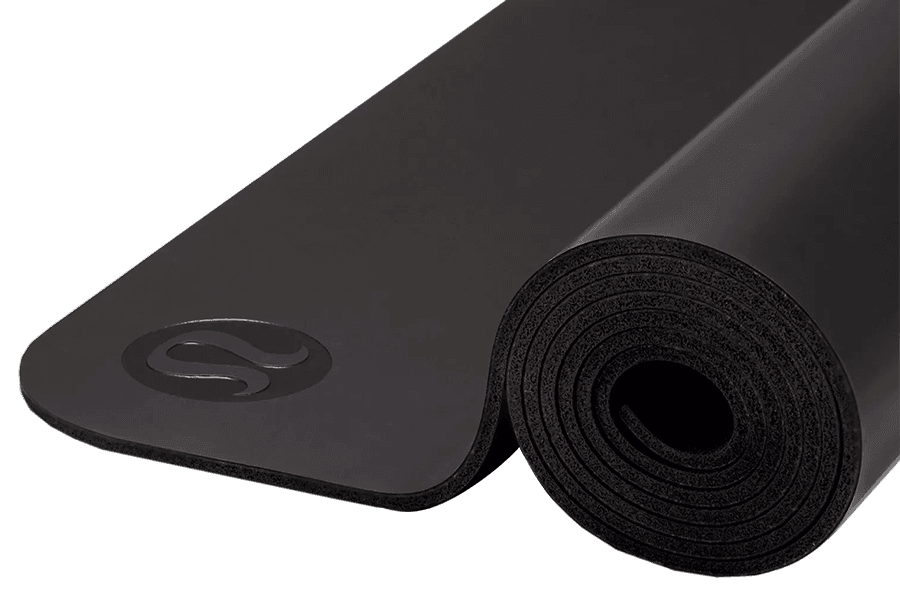
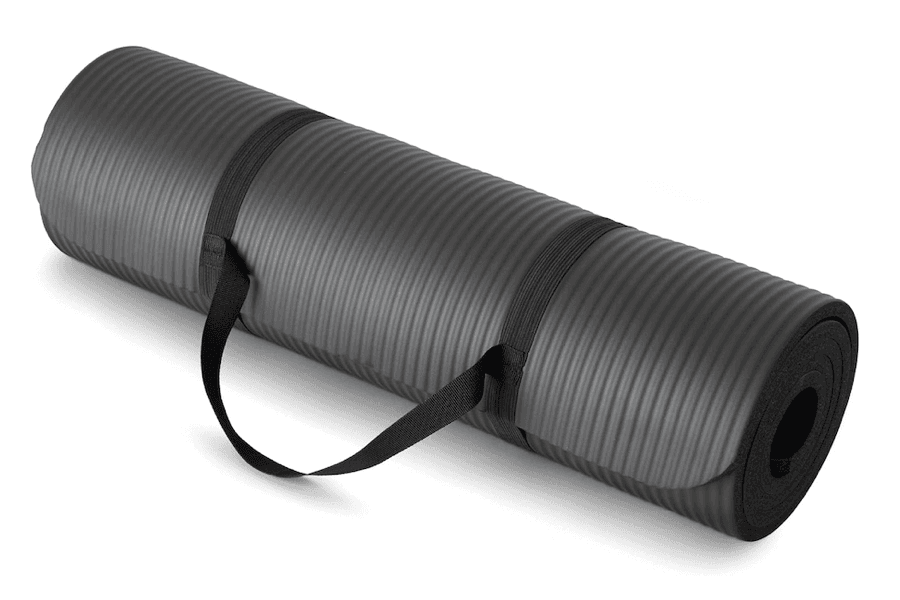
One of these is the mat testers keep recommending for serious yoga; the other is the bestselling exercise mat on Amazon. The $96 price gap makes people ask if the expensive one is a scam or the cheap one a trap, and the answer is neither. Lululemon's The Mat is a firm 5 mm rubber platform with a sweat-absorbing top. The Amazon Basics is half an inch of soft NBR foam for making hard floors comfortable. They're different tools that happen to share a shelf.
As an Amazon Associate, we earn from qualifying purchases made through links on this page. How this works
The quick answer
For yoga, The Mat wins everything that matters: a firm, stable surface for standing poses, grip that GearLab found held through classes at 90 to 105 degrees, and a build that lasts 4 to 6 years of real practice. The Amazon Basics wins its own category just as clearly: for stretching, physical therapy, and floor workouts, half an inch of soft foam is more comfortable than any yoga mat, it's 74" long, and it costs about $22 with a carry strap included.
Buy The Mat for a yoga practice. Buy the Amazon Basics for horizontal floor work. The only mistake available here is asking either one to do the other's job.
Get The Mat if...
- You practice yoga, especially anything sweaty or heated
- Standing and balance poses need a firm, stable base
- You want a mat that lasts years of real practice
- The 71" x 26" footprint fits your practice
Get the Amazon Basics if...
- Your floor time is stretching, PT, or core work
- Comfort against a hard floor is the whole point
- You want a 74" surface for about $22
- A yoga practice isn't actually in the plans
Side by side
Price
The Amazon Basics lists for about $96 less.
$118
List price · check price at lululemon.com
$22.48
List price · check price at Amazon
Thickness
The Amazon Basics is 154% thicker.
5 mm0.2″
12.7 mm0.5″
Weight
The Amazon Basics is 3 lbs lighter.
5.2 lbs2.4 kg
2.2 lbs1 kg
Size
The Amazon Basics is 3″ longer; the Mat is 2″ wider.
Same on both
- Textured surfaces that hold up to dry hands
- Easy to keep clean with a damp cloth
- Both roll up and store easily
Full specs
Dimensions
Materials & build
Buying
Why these two keep getting compared anyway
Type “yoga mat” into Amazon and the Basics 1/2 inch is near the top; ask a tester for a yoga mat recommendation and Lululemon’s The Mat comes up fast. So people compare them, usually while wondering whether a $118 mat can possibly be worth five times a $22 one. The wondering is reasonable. The products just aren’t rivals: one is a firm rubber platform engineered for a standing, sweating practice, and the other is a soft foam pad engineered to make a hard floor pleasant to lie on.
Once you see the category line, this page mostly writes itself. The work is figuring out which side of the line your floor time actually lives on.
Stand on both and the categories reveal themselves
The Mat’s 5 mm of dense rubber pushes back evenly, which is what balance work needs: a surface that tells your foot the truth. The Basics’ half inch of soft NBR foam does the opposite, letting a loaded foot sink unevenly so the ankle wobbles through corrections that have nothing to do with your skill. Beginners on soft foam routinely blame themselves for instability the surface is causing.
That single paragraph is the whole yoga verdict. A standing practice belongs on the firm mat, and no price difference changes the physics.
Lie down on both and it reverses
Horizontal, the foam wins just as decisively. Stretching sessions, physical therapy movements, planks and crunches, anything with knees, elbows, or spine against tile: half an inch of cushioning outclasses any yoga mat ever made, including this one. The Basics is also 74″ long, 3 inches more than The Mat, so tall bodies fit fully lying down, and it ships with a carry strap.
If your honest floor time is stretching and core work rather than sun salutations, The Mat would be the wrong purchase at any price, and the foam pad is the right one at a very good price.
Sweat: one of these was built for it
The Mat’s defining feature is its absorbent polyurethane top, which drinks sweat as you produce it; GearLab’s testers found it held traction in classes run at 90 to 105 degrees, and it’s the main reason The Mat stays on shortlists. Flip it for a textured rubber side on dry days.
Sweat sits on the Basics’ foam surface and turns it slick, on top of padding that was already unstable underfoot. A heated class on soft foam is genuinely a bad idea rather than a budget compromise. Even energetic unheated flows outrun what the foam surface can hold.
Durability: you get roughly what you pay for
The Mat is a multi-year purchase: GearLab pegs 4 to 6 years as the polyurethane slowly trades grip for stains, and dark colorways wear the years best. The Basics’ soft foam flattens where it’s loaded most, and owner reviews report tears and shedding within a year or two of steady use. Used hard, you might buy four or five foam pads in one Mat’s lifetime, which shrinks the real price gap without erasing it.
The paperwork is backwards: Amazon writes the $22 mat a 1 year warranty, while Lululemon’s Quality Promise names no term and gets handled case by case. In practice the wear clocks matter more than either document.
Materials and care
The Mat is FSC-certified natural rubber under its polyurethane top, which brings rubber’s rules: no direct sun, no hot cars, wipe-downs after sweaty sessions, a new-mat rubber smell that fades, and latex that rules it out for allergic practitioners. The Basics is NBR foam, a synthetic with no latex concern, no real care needs beyond an occasional wipe, and a mild foam smell out of the box that airs out quickly. On pure ease of ownership, the $22 mat is the easier tenant, as it should be.
Where you buy them
The Basics is Amazon-native: first-party, Prime-shipped, in 3 colors, with a 1 inch sibling for people who want maximum padding. The Mat comes only from lululemon.com or Lululemon stores in around 10 colorways; Amazon listings for it are third-party resellers at a markup without the Quality Promise behind them. Two mats, two completely separate shopping universes.
Price and value
List prices are $118 for The Mat and about $22.48 for the Amazon Basics, which drifts with Amazon’s pricing. Check the current price of the Basics 1/2 inch at Amazon and The Mat at lululemon.com.
Neither price is wrong for its category. The expensive mistake is the crossover: buying foam for a yoga practice wastes $22 and then costs you the real mat anyway, while buying The Mat for stretching sessions spends $96 extra on grip technology your workouts will never touch. Budget-limited yogis have a middle path: a firm mat in the $25 to $65 range, like the Amazon Basics TPE or Manduka Begin, beats soft foam for practice every time.
Bottom line
Practicing yoga, now or soon: get The Mat, or at minimum a firm budget mat, and let the foam pad go. Standing practice needs a stable surface and sweat needs an absorbent one, and The Mat delivers both for years.
Stretching, rehabbing, or doing floor workouts: get the Basics and pocket the difference happily. It’s bigger, softer, cheaper, and better at that job than the flagship is. There’s no shame in the $22 mat; there’s only shame in asking it to hold a warrior pose.
Lululemon The Mat 5mm
List price $118
Amazon Basics 1/2 Inch Extra Thick
List price $22.48
Frequently Asked Questions
- Can I do yoga on the Amazon Basics 1/2 inch mat?
- Floor poses, sure. Standing yoga, not well. Soft foam sinks unevenly under a loaded foot, so balance poses wobble beneath you and you can't tell your instability from the mat's. Sweat also defeats its surface quickly. As a yoga mat it's the wrong buy at any price; as a comfort pad for stretching and floor exercise it's a good one.
- Is Lululemon's The Mat really worth $96 more than the Amazon Basics?
- For yoga, yes, because they aren't versions of the same product. The Mat's firm rubber base gives standing poses a stable platform, and its polyurethane top held traction in GearLab's heated test classes. The foam pad can't do either job. For anyone who just wants comfortable padding under floor workouts, though, the honest answer flips: spend the $22 and be happy.
- Which mat is more comfortable for floor exercises?
- The Amazon Basics, easily. Half an inch of soft NBR foam is far more forgiving under knees, hips, and spine than The Mat's firm 5 mm, and its 74" length gives tall bodies extra room lying down. This is the foam pad's home turf. The Mat is comfortable enough for yoga's floor poses, but nobody would call it plush.
- How does durability compare?
- The Mat is built for years: GearLab pegs its realistic lifespan at 4 to 6, with the top gradually trading grip for stains. Soft NBR foam flattens where it's loaded most, and owner reviews report tears and shedding within a year or two of steady use. Oddly, the $22 mat carries the longer written coverage, a 1 year warranty against Lululemon's open-ended Quality Promise, but the wear clocks run the other way.
- Does either mat handle sweat?
- Only The Mat. Its absorbent polyurethane top exists for sweaty practice and kept grip through GearLab's classes run at 90 to 105 degrees. Sweat sits on top of the Amazon Basics foam and makes an already-soft surface slippery. Heated classes on the foam pad aren't a bargain, they're a hazard.
- Is there a middle option between $22 and $118?
- Yes, and it's often the right call for beginners on a budget: a firm budget yoga mat rather than a soft foam pad. Manduka's $62 Begin adds an alignment stripe for learning, and Amazon's own 1/4 inch TPE mat runs well under $30 while staying firm enough for standing work. The trap isn't spending less than $118; it's buying soft foam for a standing practice.
Related comparisons
- Amazon Basics 1/2 Inch Extra Thick vs Retrospec Solana 1/2"
- JadeYoga Harmony 74" vs Lululemon The Mat 5mm
- Manduka PROlite Long vs Lululemon The Mat 5mm
- Lululemon The Mat 5mm vs JadeYoga Harmony 2.0 68"
- Manduka PROlite vs Lululemon The Mat 5mm
- Lululemon The Mat 5mm vs Manduka GRP Adapt 2.0
- Lululemon The Mat 5mm vs Manduka eKO
- Lululemon The Mat 5mm vs Yoga Design Lab Infinity 5mm
- Lululemon The Mat 5mm vs b, halfmoon B Mat Everyday 4mm