Jade Harmony vs Liforme: Which One Should You Buy?
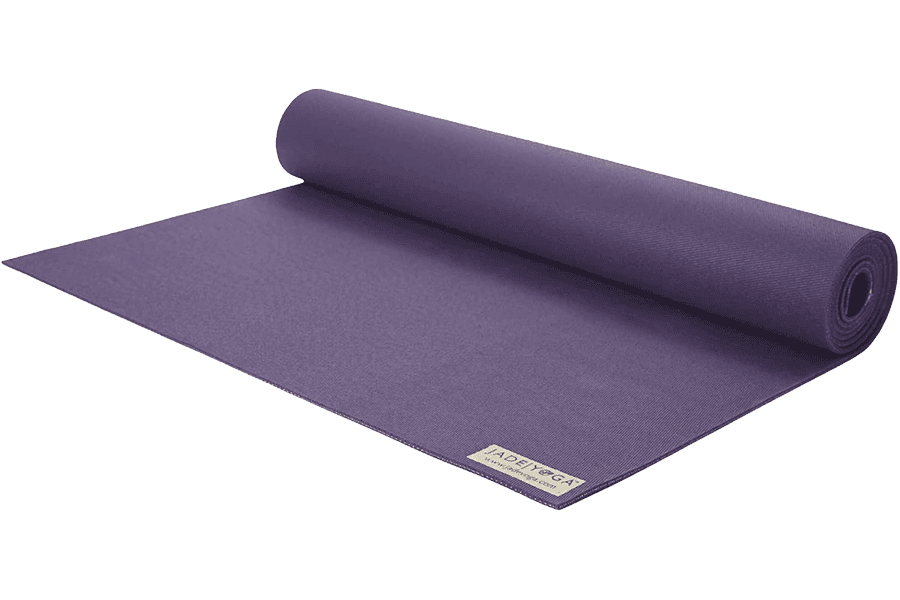
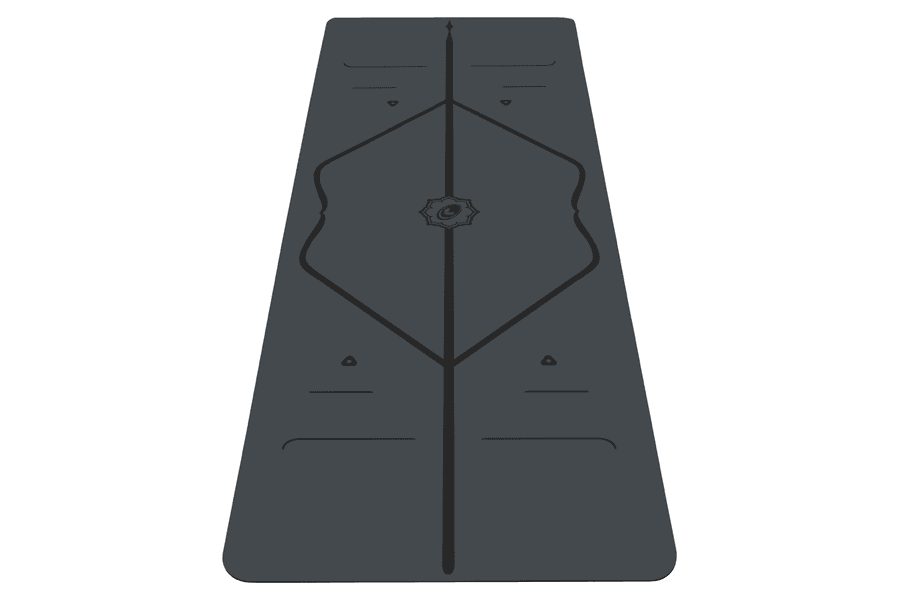
Ask a room of yoga teachers for the grippiest mat and these two names come up first. The Jade Harmony is the classic answer: open-cell natural rubber, made in the USA, tacky from the first down dog. The Liforme is the modern one: a polyurethane top GearLab describes as gecko-like, with an alignment system etched into the surface, at $65 more. Grip gets you into this comparison; the other differences settle it.
As an Amazon Associate, we earn from qualifying purchases made through links on this page. How this works
The quick answer
Both mats grip immediately, so this comes down to everything else. The Liforme is the bigger surface (72.8 by 26.8 inches against 68 by 24), it wicks sweat into its top layer instead of soaking it into the rubber, its etched alignment lines are genuinely useful, and it took a GearLab top pick. The Harmony is $65 cheaper, half a pound lighter, carries a 1 year warranty where the Liforme has none, and its classic tacky rubber feel still has devoted fans, including Wirecutter.
Get the Harmony if you want proven rubber grip at the friendlier price. Get the Liforme if the bigger surface and the alignment lines are features you'll actually use every practice.
Get the Harmony if...
- You'd rather keep about $65
- You want the classic tacky rubber feel under your palms
- You want the lighter mat (4.8 pounds vs 5.5)
- A 1 year warranty and Jade's tree-planting program appeal to you
Get the Liforme if...
- You want the etched alignment lines for placement and form
- You want a bigger surface in both directions
- You'd rather sweat land in a wicking top layer than soak into rubber
- The included carry bag and biodegradable build appeal to you
Side by side
Price
The Harmony lists for about $65 less.
$99.95
List price · check price at Amazon
$165
List price · check price at Amazon
Thickness
The Harmony is 14% thicker.
4.8 mm0.19″
4.2 mm0.17″
Weight
The Harmony is 0.7 lbs lighter.
4.8 lbs2.2 kg
5.5 lbs2.5 kg
Size
The Liforme is 4.8″ longer; the Liforme is 2.8″ wider.
Same on both
- Built on natural rubber
- Grippy from the first class, no break-in
- Trace-latex caution for allergies
- Stricter care rules than PVC mats
Full specs
Dimensions
Materials & build
Buying
Two mats famous for the same thing
Ask experienced practitioners for the grippiest mat they’ve used and you’ll hear these two names more than any others. The Jade Harmony earned its reputation the old way: open-cell natural rubber, made in the USA, tacky from the first class, at $99.95. The Liforme earned its more recently, with a polyurethane top GearLab’s testers describe as gecko-like, plus an alignment system etched into the surface, at $165.
Grip won’t settle a $65 price gap when both mats deliver it. What will: size, the alignment lines, how each surface handles sweat and wear, and what coverage you get when something goes wrong.
Grip: same result, very different mechanisms
With dry hands, call it a tie and pick on feel. The Harmony is tacky and organic; Jade advertises a Yoga Journal best-grip award and owners describe the surface as simply holding whatever touches it. The Liforme is smooth with an almost suction-like quality; GearLab’s testers couldn’t break its hold even applying deliberate force.
Sweat is where the engineering differs. The Harmony absorbs moisture into its open-cell rubber, the exact quality Wirecutter credits for its traction in sweaty sessions. The catch is the sweat goes into the mat itself, which means more washing and faster wear for heavy sweaters. The Liforme wicks moisture into a purpose-built top layer while a waterproof middle layer keeps the rubber base dry, and GearLab rated its wet grip among the best in its test. Both approaches work; the Liforme’s is tidier, the Harmony’s is simpler. Genuinely dripping hot classes overwhelm both, and a towel settles it.
The alignment lines: the Liforme’s $65 argument
The Liforme’s surface carries its etched “AlignForMe” system: a center line, placement markers, and angled guides that give you fixed reference points for hands, feet, stance width, and centering. GearLab named it the best mat for fine-tuning alignment, and it’s a big part of why traveling teachers carry Liformes.
Be honest with yourself about whether you’d use them. Home practitioners without an instructor’s eye and anyone actively working on form look down at these lines every session. Practitioners with a settled practice mostly stop seeing them. The Harmony offers nothing comparable, and if you’d never use the lines, it delivers the thing both mats are famous for at a much friendlier price.
Size and weight
The Liforme is meaningfully bigger: 72.8″ × 26.8″ against the Harmony’s 68″ × 24″. Nearly five extra inches of length and almost three of width matter if you’re tall, broad-shouldered, or just like room to spread out. It also ships with a free carrying bag.
Jade’s size range narrows the gap: the 74″ Harmony adds length for $10 more, and the Harmony XW at 80″ × 28″ is bigger than the Liforme while still costing less. On weight, the standard Harmony is the lighter carry at 4.8 pounds to the Liforme’s 5.5.
Durability, care, and warranties
Both are natural-material mats, and neither will outlive a dense PVC slab. The Harmony’s rubber softens and sheds under heavy practice; hard-practicing owners replace theirs every few years, while careful ones stretch it much longer, with CNN Underscored putting the ceiling around ten years. The Liforme’s polyurethane top wears down with hard daily use, and the company is unusually frank that its materials are designed to biodegrade and lifespan depends on how you treat it.
The care lists rhyme: no direct sunlight, no hot cars, no harsh cleaners, damp-cloth washing only. Where they split is coverage. Jade backs the Harmony with a 1 year warranty against defects and premature wear, with sun damage explicitly excluded. Liforme offers no warranty at all, just a 30-day money-back guarantee on purchases from its own site. One year isn’t much, but it beats zero, especially under the more expensive mat.
Eco credentials: both strong, differently
The Harmony’s pitch is simplicity: tapped natural rubber, no PVC, made in the USA, and a tree planted for every mat sold, past two million by Jade’s count. The Liforme’s pitch is end-of-life: a PVC-free build designed to biodegrade in one to five years under normal landfill conditions, which almost nothing else in the category claims.
The shared caution stands: both are built on natural rubber, and Jade says its mats may carry trace latex proteins. With a genuine latex allergy, choose a PVC or TPE mat instead of either of these.
Mind the Harmony version trap
One research warning before you compare reviews: this page covers the original Jade Harmony, made in the USA at $99.95. The newer Harmony 2.0 is a separate mat, made in Spain, about $10 more, carrying FSC and OEKO-TEX certifications, and it’s the version in GearLab’s current test lineup. Awards and scores for the 2.0 don’t automatically describe the original, and plenty of roundups blur the two. Check which mat a review actually tested before you lean on it.
Price and value
List prices are $99.95 and $165, and both drift on Amazon by colorway, so check the current price on the Harmony at Amazon and the Liforme at Amazon before deciding.
The $65 gap buys the Liforme’s alignment system, the bigger surface, the tidier sweat handling, and the bag. It does not buy longer life or better coverage; the cheaper mat actually carries the only warranty here. If the lines and the size don’t call to you, the Harmony is simply the better value.
Bottom line
Get the Harmony if you want famous grip at the fairest price in the premium natural-mat tier. It’s lighter, it’s backed by an actual warranty, and its tacky rubber feel has kept teachers loyal for twenty years. Budget for a replacement a few years sooner and keep it out of the sun.
Get the Liforme if the alignment lines would earn their keep in your practice or you need the bigger surface. It’s the more refined tool and the wet-grip standout, and you should go in knowing you’re paying the most for the mat with the least coverage. For the rest of the premium field, our PRO vs Liforme and The Mat vs Liforme pages cover the other two mats shoppers weigh against it.
Jade Harmony
List price $99.95
Liforme Classic
List price $165
Frequently Asked Questions
- Which grips better, the Jade Harmony or the Liforme?
- With dry hands it's a wash; both are excellent, just different textures. The Harmony feels tacky and organic, the Liforme smooth and almost suction-like, the quality GearLab's testers described as gecko-like. Sweat is where they diverge in mechanism: the Harmony absorbs moisture into its open-cell rubber, which Wirecutter credits for its traction, while the Liforme wicks it into a purpose-built top layer over a waterproof core, which GearLab rated among the better wet grips it tested. Either handles a normally sweaty practice; dripping-wet hot classes want a towel on both.
- Are the Liforme's alignment lines worth $65?
- They're the main thing you're paying for beyond size, so it depends on your practice. The etched markers give consistent reference points for hand and foot placement and centering, GearLab named the Liforme its best mat for fine-tuning alignment, and teachers and home practitioners get real daily value from them. If you'd never look down at them, the Harmony delivers comparable grip for a lot less.
- Which lasts longer, and what about warranties?
- Both are natural-material mats that wear with heavy use, and neither will outlive a dense PVC mat. The Harmony's rubber softens and sheds over a few hard years, though CNN Underscored puts the ceiling around ten years with careful ownership. The Liforme's polyurethane top wears down with hard daily practice, and Liforme is explicit that its materials are designed to biodegrade. Coverage is thin on both sides but thinner on one: Jade gives a 1 year warranty; Liforme offers none, just a 30-day money-back guarantee on its own site.
- Is this the Jade Harmony or the Harmony 2.0?
- This comparison covers the original Harmony, made in the USA and listed at $99.95 for the 68 inch size. The newer Harmony 2.0 is a separate mat: made in Spain, about $10 more, with FSC and OEKO-TEX certifications, and it's the version that appears in GearLab's current lineup. Reviews and awards for one don't automatically apply to the other, so check which version a review covers before leaning on it.
- Are these mats safe for a latex allergy?
- No, treat both carefully. Jade says its mats are 99% latex free but may contain trace latex proteins and doesn't recommend them for latex-allergic practitioners. The Liforme is built on a natural rubber base, so the same caution applies. A PVC or TPE mat sidesteps the question entirely.
- Can I practice outside or store either mat in my car?
- Avoid it with both. Sunlight hardens and degrades natural rubber, Jade excludes sun damage from its warranty, and Liforme's care guidance likewise keeps the mat away from prolonged sun and heat. Hot cars are the classic way owners ruin mats like these. If outdoor practice is a priority, look at a PVC or TPE mat instead.
Related comparisons
- JadeYoga Harmony 68" vs Suga SugaMat
- JadeYoga Harmony 68" vs Manduka PRO Lite Terra 4.7mm
- JadeYoga Harmony 68" vs Manduka eKO Lite
- Manduka PROlite vs JadeYoga Harmony 68"
- JadeYoga Harmony 68" vs Manduka GRP Adapt 1.0
- JadeYoga Harmony 68" vs Manduka eKO Lite Long
- JadeYoga Harmony 68" vs Manduka GRP Adapt Lite 2.1 4mm
- JadeYoga Harmony 68" vs Lululemon The Mat 5mm
- Manduka PROlite Long vs JadeYoga Harmony 68"