Amazon Basics 1/2 Inch vs 1/4 Inch TPE: Which One Should You Buy?
Four dollars separate these two Amazon Basics mats, and the price is the only place they're close. The 1/2 inch is soft NBR exercise foam: lovely under a kneeling or lying body, unsteady under a standing one. The 1/4 inch TPE is a real yoga mat: firm, light, grippy when dry. Since the money is a wash, this comes down entirely to what you'll do on it.
As an Amazon Associate, we earn from qualifying purchases made through links on this page. How this works
The quick answer
Pick by activity and the decision makes itself. Standing yoga, flow classes, anything with balance poses: the TPE, because its firm 6 mm holds a foot steady where the soft foam sinks and wobbles. Stretching, core circuits, physical therapy movements, anything where you're mostly down on the mat: the foam, because half an inch of cushion is exactly what a hard floor needs and firmness buys you nothing lying down.
If one mat has to cover both, take the TPE. It handles floor work acceptably; the foam handles standing work badly. That asymmetry is the tiebreaker.
Get the 1/2 inch foam if...
- Your workouts happen on the floor, not standing
- You want real cushion for knees, hips, and spine
- You'd use the included carry strap
- Plush comfort matters more than stability
Get the 1/4 inch TPE if...
- You practice yoga with standing poses
- You want a stable base for balance work
- You want the lightest roll at about 2 pounds
- One mat has to cover yoga and floor exercise
Side by side
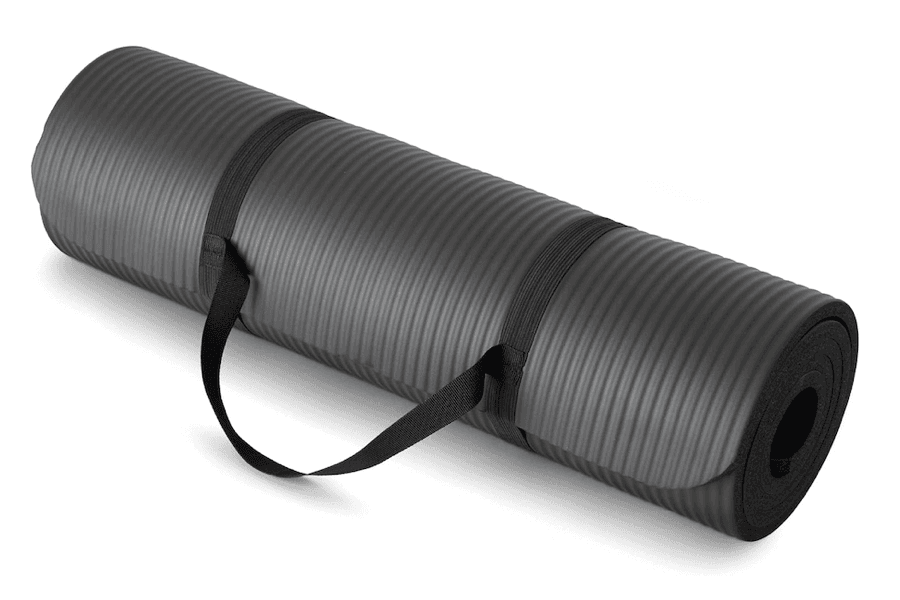
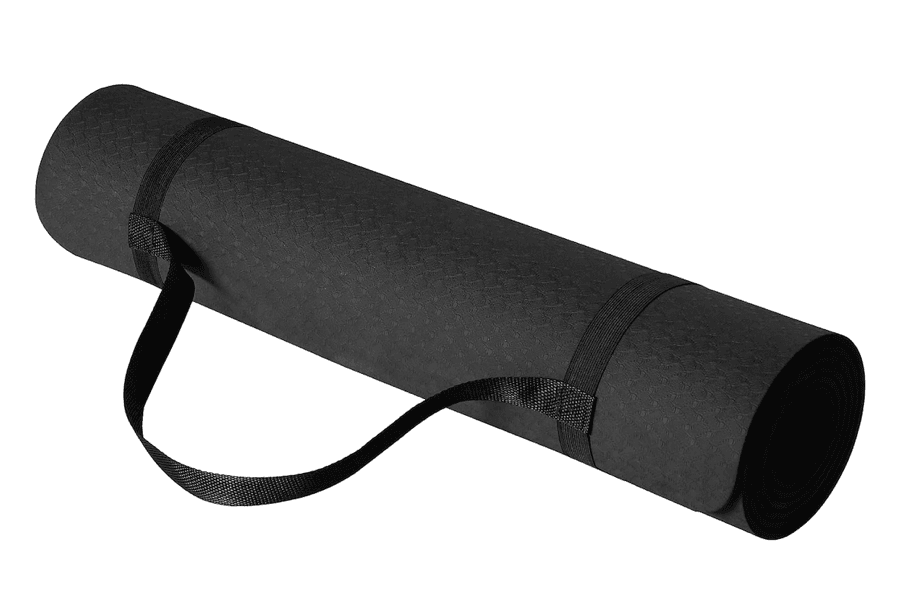
Price
The Amazon Basics lists for about $4 less.
$22.48
List price · check price at Amazon
$26.36
List price · check price at Amazon
Thickness
The Amazon Basics is 112% thicker.
12.7 mm0.5″
6 mm0.24″
Weight
The Amazon Basics is 0.2 lbs lighter.
2.2 lbs1 kg
2 lbs0.9 kg
Size
The Amazon Basics is 0.4″ longer; same width.
Same on both
- About the same price
- Same 24" width, about the same length
- Around 2 pounds, easy to carry
- 1 year warranty
Full specs
Dimensions
Materials & build
Buying
Four dollars apart, two different products
Amazon sells both of these as yoga mats, prices them within about four dollars of each other, and thereby creates one of the most common wrong purchases in the category. The 1/2 inch is soft NBR foam, a floor exercise pad. The 1/4 inch TPE is firm and springy, an actual yoga mat. Since money won’t break the tie, everything comes down to what your body will be doing: standing on it, or lying on it.
The standing test
Put a foot on each and shift your weight. The TPE compresses a little and stops, giving you a floor with manners; the foam keeps giving until your ankle steps in to manage the wobble. That single difference decides every standing pose, lunge, and balance exercise. On the TPE they’re practicable; on the foam they’re a negotiation, and beginners tend to blame their own balance for what the surface is doing.
Planks and push-ups follow the same physics: wrists stay supported on the TPE and sink into the foam. Anything that loads hands or feet narrowly favors firm.
The lying-down test
Reverse the posture and the foam collects its win. Half an inch of plush is what you want between spine and tile during stretching, sit-up circuits, or physical therapy movements; the TPE’s 6 mm is adequate there, no more. The foam also ships with a carry strap and rolls light at 2.2 pounds. As a comfort product for horizontal work, it’s the better of the two and among the cheapest ways to make a hard floor humane.
Grip and sweat
Dry, both do their jobs: the TPE’s dual-sided texture holds bare feet predictably and the foam holds socks and sneakers. Sweat undoes both, since neither surface absorbs anything, and the foam adds a second failure mode of shearing sideways under load. Heated classes need a towel on either, or more honestly a different category of mat entirely. For unheated use, the TPE’s grip is the more confidence-inspiring of the two.
Two short lifespans
Neither mat is built for the long haul, and both carry 1 year warranties that say so. The foam fails by flattening where knees land and tearing at stress points; the TPE fails by surface scuffing and wear. Owner reviews put heavy regular use at a year or two for either, with light use lasting well beyond. They’re consumables, and at these prices that’s a reasonable thing to be. The foam also needs a few days of airing out on arrival; NBR’s rubbery smell is well-documented in reviews, while TPE barely has one.
The one-of-each option
At a combined price of about $48, owning both is a legitimate answer for a home gym: the TPE for yoga and anything standing, the foam for stretching and floor circuits. If you’re choosing strictly one, take the TPE; it handles floor work passably while the foam handles standing work poorly, and that asymmetry should settle ties. If you’re only ever horizontal, the foam’s 1 inch big sibling is also worth a look.
Price and value
List prices are about $22.48 for the foam pad and about $26.36 for the TPE, with Amazon moving both regularly. Check current prices on the 1/2 inch foam and the 1/4 inch TPE.
Value here isn’t about the four dollars; it’s about not buying the wrong category. A foam pad pressed into yoga service gets replaced within months, which makes it the expensive option at any price. Matched to their own jobs, both are among the better deals in budget mats.
Bottom line
If yoga, or any standing exercise, is in the picture, buy the 1/4 inch TPE. It’s the one that can hold a pose, and it’s cheap enough that trying yoga on it risks almost nothing.
If your workouts live on the floor, buy the 1/2 inch foam and enjoy the plushness the TPE can’t offer. Just don’t let the words yoga mat on the listing talk you into standing on it.
Amazon Basics 1/2 Inch Extra Thick
List price $22.48
Amazon Basics 1/4 Inch Thick TPE
List price $26.36
Frequently Asked Questions
- Which one is the actual yoga mat?
- The 1/4 inch TPE. It's firm enough to keep a standing foot stable, which is the property that makes yoga's balance and standing poses workable. The 1/2 inch foam is an exercise pad that shares an aisle with yoga mats; practice standing sequences on it and you'll feel the difference in every wobble.
- But isn't 6 mm too thin for comfort?
- For most people, no. Six millimeters of firm TPE is on the cushioned side for a yoga mat; the classics run 4 to 5 mm. Knees on a hard floor feel supported because the material is dense, not deep. If a particular pose still hurts, a folded blanket under the joint solves it without making the whole mat unstable.
- Which is better for planks, push-ups, and core work?
- The TPE. Wrists sink into half-inch foam during planks, and push-up hands wobble on it. Firm and thin beats soft and thick for anything where your weight concentrates on hands or elbows. The foam is at its best in the poses and exercises where your torso or spine meets the floor.
- How does grip compare between them?
- Both grip fine with dry hands and lose it when sweat arrives. The TPE's textured surface holds shoes and bare feet a little more predictably; the foam's soft surface can shear sideways under load even when it isn't slipping. Neither is a hot yoga mat, and a sweaty class needs a towel on either.
- Which one lasts longer?
- Neither is built for years of heavy service; both are best treated as budget consumables with 1 year warranties to match. The foam fails by flattening and tearing, the TPE by surface wear and scuffing. Light use stretches either well past the warranty; daily hard use won't.
- Can I just buy both?
- At a combined price of about $48, it's a defensible answer if you genuinely split time between standing practice and floor work. Plenty of home exercisers keep a firm mat for yoga and a foam pad for everything horizontal. Start with the one that matches most of your time, and add the other when its absence annoys you.
Related comparisons
- Amazon Basics 1/4 Inch Thick TPE vs Gruper TPE 6mm
- Amazon Basics 1/2 Inch Extra Thick vs Retrospec Solana 1/2"
- Amazon Basics 1/4 Inch Thick TPE vs Gaiam Premium 6mm
- Amazon Basics 1/4 Inch Thick TPE vs Gaiam Essentials 6mm
- Amazon Basics 1/4 Inch Thick TPE vs YogaAccessories Extra Thick Deluxe 1/4"
- Amazon Basics 1/4 Inch Thick TPE vs Gaiam Premium Reversible 6mm
- Amazon Basics 1/4 Inch Thick TPE vs Gaiam Classic Print 4mm
- Manduka Begin vs Amazon Basics 1/4 Inch Thick TPE
- Amazon Basics 1/4 Inch Thick TPE vs IUGA Eco Friendly Non Slip PU