Manduka PRO Long & Wide vs Amazon Basics 1/2 Inch: Which One Should You Buy?
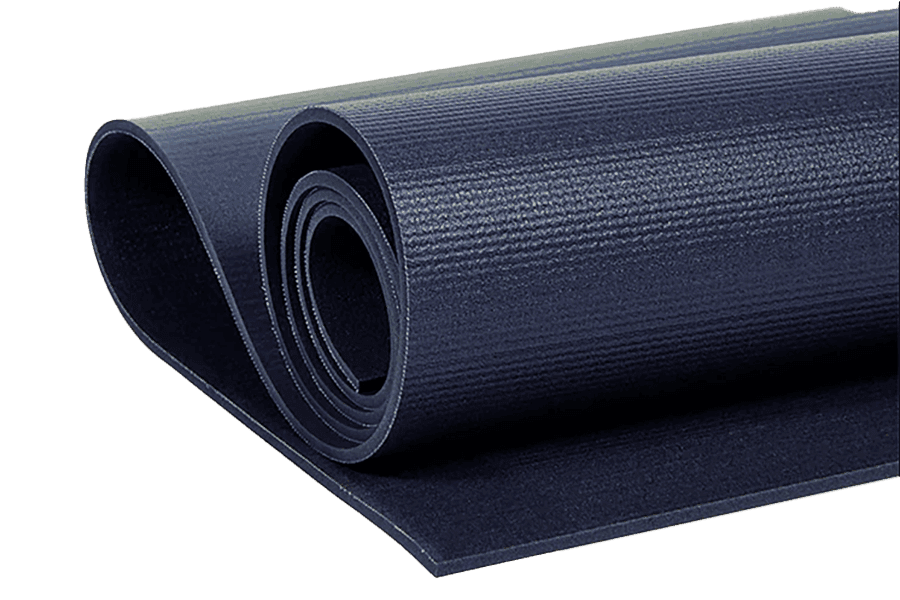
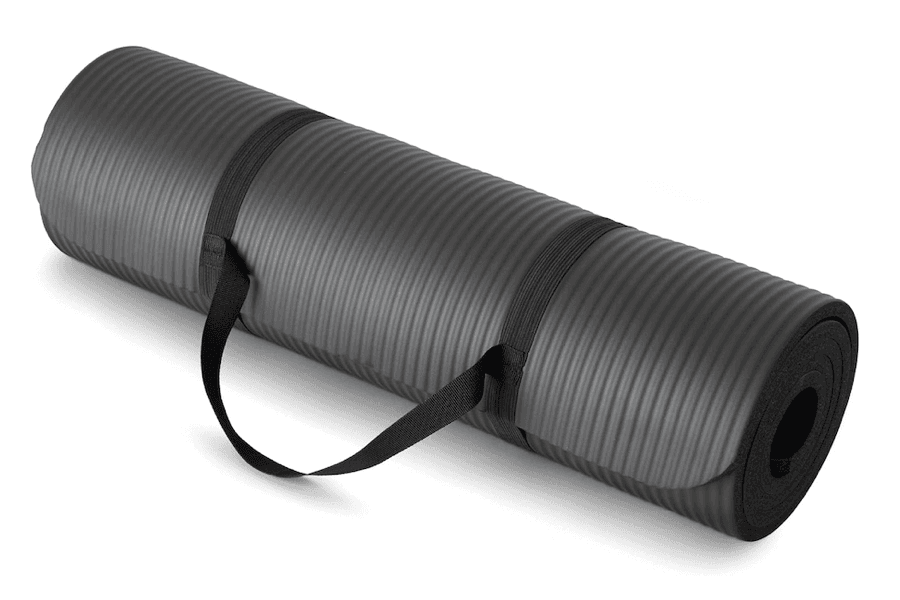
On the spec sheet the cheap mat looks like a steal: half an inch of cushioning for about $22, more than twice the thickness of a $288 Manduka. But thickness and support are different things, and these are different products. The PRO Long & Wide is a firm 79" × 52" platform for a standing practice at home. The Amazon Basics is soft NBR foam, lovely to lie on and unstable to stand on. What you do on the mat settles this.
As an Amazon Associate, we earn from qualifying purchases made through links on this page. How this works
The quick answer
The Long & Wide is a yoga mat: 4,108 square inches of dense 6 mm PVC that holds standing poses steady, grips well once broken in, and lasts a decade with a lifetime guarantee behind it. The Amazon Basics is a padded exercise mat: soft foam that sinks under a planted foot, gets slippery when damp, and compresses over a year or two of regular use. It weighs 2.2 pounds, ships with a carry strap, and comes with a 1 year warranty.
Buy the Amazon Basics for stretching, core work, physical therapy, and padding a hard floor. Buy the PRO Long & Wide for an actual standing practice with room around you. If $288 is out of reach, the answer is a firm mat in the $25 to $50 range, not thicker foam.
Get the PRO Long & Wide if...
- You practice standing yoga and need a surface that holds still
- You want the width, and you have a room to give it
- You kneel a lot and want dense, not squishy, support
- You want a mat that lasts a decade, with the guarantee to match
Get the Amazon Basics if...
- Your routine is stretching, floor work, and core exercises
- You want maximum padding on a hard floor for about $22
- You want something light with a carry strap included
- Any yoga you do is gentle and mostly on the ground
Side by side
Price
The Amazon Basics lists for about $266 less.
$288
List price · check price at Amazon
$22.48
List price · check price at Amazon
Thickness
The Amazon Basics is 112% thicker.
6 mm0.24″
12.7 mm0.5″
Weight
The Amazon Basics is 19.8 lbs lighter.
22 lbs10 kg
2.2 lbs1 kg
Size
The Long & Wide is 5″ longer; the Long & Wide is 28″ wider.
Same on both
- Textured surfaces that wipe clean
- Both lie flat out of the box
- Neither absorbs sweat
Full specs
Dimensions
Materials & build
Thickness is not the product
The spec sheet makes this look absurd. About $22 buys you half an inch of cushioning, which is more than twice what Manduka gives you for $288. If depth of foam were the thing you were buying, nobody would ever buy the Manduka.
Depth of foam is not the thing you are buying. The PRO Long & Wide is a firm 79″ × 52″ platform meant for a standing practice in a room you have set aside. The Amazon Basics is soft NBR foam: a padded exercise mat that is genuinely lovely to lie on and genuinely unstable to stand on. Decide what you will be doing on it and the rest of this page is easy.
Soft and deep beats firm and dense exactly once
The once is lying down. On your back on the Amazon Basics, the foam cradles you the way no yoga mat will, and owners doing physical therapy, core work, and long floor sessions on hard floors love it for exactly that. Plenty of people buy it purely to make a bony patch of floor pleasant.
Under load, density wins. Soft foam compresses under concentrated weight, so a kneeling knee sinks through the plush until it finds something like the floor underneath. The PRO’s 6 mm of dense PVC barely compresses, which is how it protects joints at less than half the thickness; that construction earned a perfect comfort and support score from OutdoorGearLab. For lying down, buy loft. For holding your weight, buy density.
Standing poses need a floor, not a cushion
Half an inch of soft foam moves under your feet. Lunges land on a surface that shifts as you load it, balance poses turn into ankle work, and Warrior II stops being about your hips. Owners also report the textured surface getting slippery once it is damp, with some recommending grip socks, which tells you where the mat’s limits are.
The Long & Wide is the opposite tool: dense, heavy, and completely still under you, with enough width that you can step wide and still land on mat. If your practice includes standing sequences, there is no version of this comparison where the foam mat wins. If your practice is seated and supine, the foam mat’s case is real.
Size: a strip against a room
Give the Basics its due: at 74″ it is longer than most yoga mats, and anyone up to about six feet lies flat on it. Length is not this mat’s problem. Width is, at 24 inches, and so is what happens when you put weight on it.
The Long & Wide is 79″ × 52″, or 4,108 square inches against 1,776. It is the only mat here that two adults can share, and it asks for a permanent cleared rectangle of about 6 feet 7 inches by 4 feet 4 inches. That footprint is a bigger commitment than the price for a lot of people.
Grip and the break-in weeks
Neither of these grips well when wet, so hot yoga is off the table either way. Dry, the Basics has a lightly textured top that holds for slow movement and gives up as soon as things get damp. The PRO ships slick and takes a few weeks of regular practice before the surface comes good; Manduka has retired its old salt-scrub advice and now says the slickness resolves with use.
After that break-in the PRO’s dry grip is excellent and keeps improving for years. It is worth knowing about, because a brand new $288 mat that feels slippery is the most common complaint about the entire PRO family, and it is temporary.
Durability: one year of warranty, or ten
Owners report the Basics foam thinning and compressing within a year or two of frequent use, and the surface tears more easily than PVC or rubber. Amazon’s review summary for the line is candid that durability opinions are mixed. The 1 year warranty prices those expectations about right for a mat that costs about $22.
The Long & Wide sits at the other end of the category. GearLab’s testers keep finding instructors’ PRO mats still in service after five to twenty years, and Manduka’s lifetime guarantee (roughly ten years of regular use, one replacement, performance-affecting wear only, proof of purchase from an authorized seller) stands behind it. You are not paying ten times more for the same lifespan.
Living with each one
The Basics weighs 2.2 pounds and ships with a carry strap, though the thickness makes it roll into a fat bundle. It is easy to store, easy to move, easy to replace. Amazon’s own listing suggests airing it out for 48 hours to let the new-product smell dissipate, which is unusually honest packaging copy.
The Long & Wide weighs 22 pounds and is not going anywhere. Unroll it once and it stays, which is either the point or a dealbreaker depending on your living situation. Care is a wipe-down and nothing else; closed-cell PVC does not absorb anything, so cleaning is trivial and the mat forgives neglect.
Price and value
List prices are $288 for the Long & Wide and about $22 for the Amazon Basics, and Amazon pricing drifts, so check the current price on the PRO Long & Wide and the Amazon Basics 1/2 inch mat before deciding.
Inside their own categories both are fair deals: a lot of comfortable foam for very little money, and a home practice surface that costs a lot up front and very little per year. If $288 is simply out of reach and you want to do yoga, the answer is a firm mat in the $25 to $50 range rather than more foam; Amazon’s own 6 mm TPE mat is a reasonable place to start.
Bottom line
Buy the Amazon Basics for stretching, core work, physical therapy, or turning a cold hard floor into somewhere you are happy to lie down. It does that better than the Manduka does, at about a thirteenth of the price. Air it out for a couple of days, keep it away from Warrior III, and it is a good buy.
Buy the PRO Long & Wide if you practice standing yoga at home and you want room around you. It is dense enough to trust, wide enough for two, and it should still be here in ten years. Give it the floor space and the break-in weeks, and it is the last mat on this page you will ever have to buy.
Amazon Basics 1/2 Inch Extra Thick
List price $22.48
Frequently Asked Questions
- Is the Amazon Basics 1/2 inch mat good for yoga?
- For gentle, floor-based yoga, yes. For a standing practice, not really. Half an inch of soft NBR foam sinks under concentrated weight, which makes lunges unstable and balance poses a coin toss, and owners report the surface getting slippery when damp. CNN Underscored's tester liked it for what it is: a thick, cushioned exercise mat rather than a performance yoga mat.
- Is thicker better for bad knees?
- Only if the foam is dense. Soft foam feels wonderful under a knee for the first few seconds and then bottoms out, letting the knee find the floor through it. The PRO Long & Wide compresses barely at all, which is why the PRO construction wins comfort tests at less than half the thickness. Depth helps when you are lying down; density is what protects joints under load.
- How big is the size difference?
- Large. The Amazon Basics is 74" × 24", which is 1,776 square inches. The PRO Long & Wide is 79" × 52", or 4,108. The Basics is actually the longer-than-average mat in the budget aisle, so length is not its problem; width and density are. Two people can share the Manduka. Nobody is sharing the Basics.
- How long does the Amazon Basics mat last?
- Owners report the foam thinning and compressing within a year or two of frequent use, and the surface tears more easily than PVC or rubber. Amazon's 1 year warranty is a fair signal of the design life. The PRO Long & Wide routinely serves a decade or more; GearLab's testers keep finding instructors' PRO mats still in use after five to twenty years.
- Which is easier to live with day to day?
- The Basics, easily, if moving the mat matters at all. It weighs 2.2 pounds and comes with a carry strap, though the thickness makes it roll into a fat bundle. The Long & Wide weighs 22 pounds, needs a permanent stretch of floor, and is not going anywhere once you unroll it. That is by design, but it is worth knowing before you buy.
- If my budget is $30, what should I buy for yoga?
- A firm mat rather than a thick one. Plenty of 4 to 6 mm TPE and PVC mats sell in the $25 to $50 range and will hold a Warrior II far better than half an inch of soft foam; Amazon's own 1/4 inch TPE mat at about $26 is a reasonable starting point. Buy the foam mat only if what you actually want is padding for floor work.
Related comparisons
- Amazon Basics 1/2 Inch Extra Thick vs Retrospec Solana 1/2"
- Amazon Basics 1/2 Inch Extra Thick vs YogaAccessories Extra Thick Deluxe 1/4"
- Amazon Basics 1/2 Inch Extra Thick vs Gruper TPE 6mm
- Amazon Basics 1/2 Inch Extra Thick vs Gaiam Essentials 6mm
- Amazon Basics 1/2 Inch Extra Thick vs Gaiam Premium 6mm
- Amazon Basics 1/2 Inch Extra Thick vs Gaiam Classic Print 4mm
- Amazon Basics 1/2 Inch Extra Thick vs Gaiam Premium Reversible 6mm
- Manduka Begin vs Amazon Basics 1/2 Inch Extra Thick
- Amazon Basics 1/2 Inch Extra Thick vs IUGA Eco Friendly Non Slip PU