Manduka eKO Superlite vs GRP Adapt Travel: Which One Should You Buy?
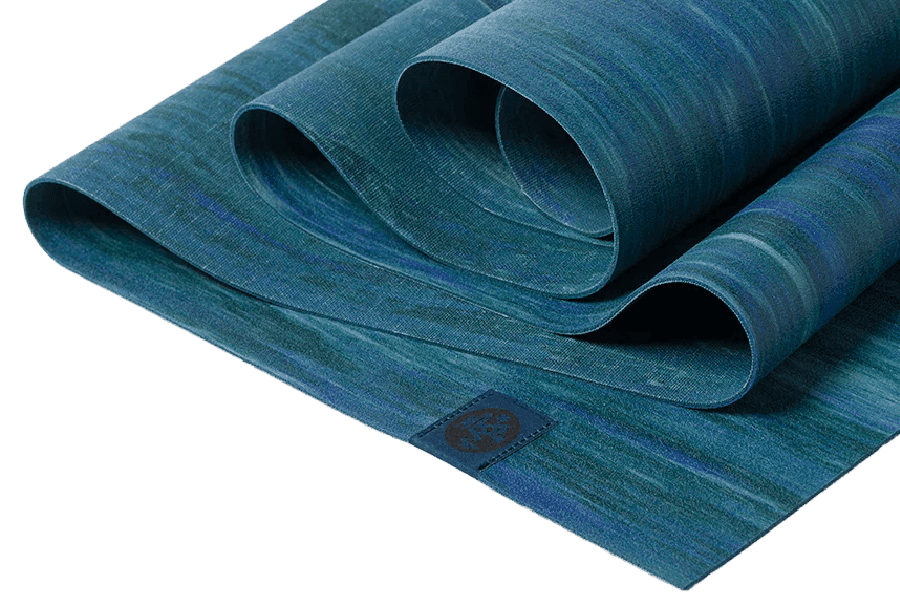
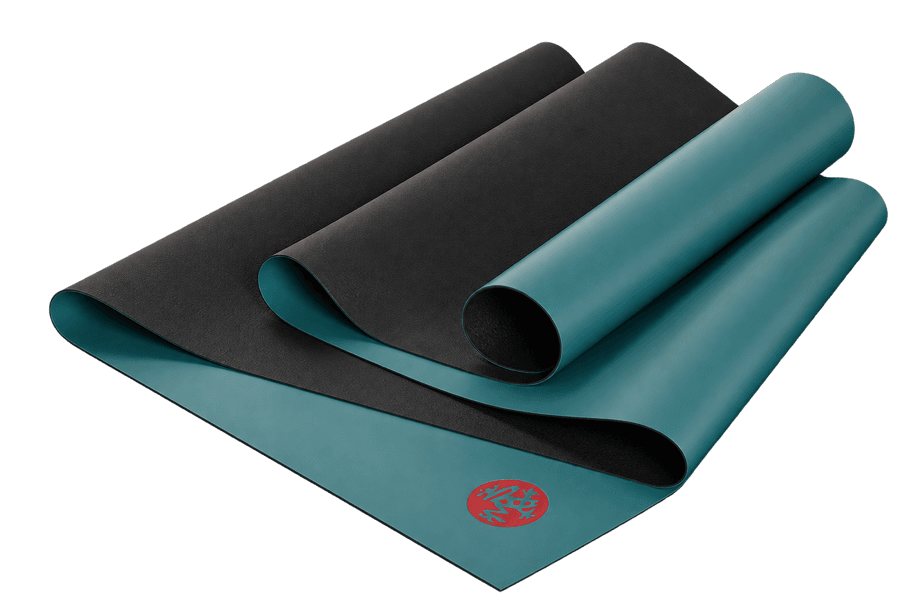
The eKO Superlite and GRP Adapt Travel are Manduka's two 1.5mm rubber-based travel mats. The $54 eKO uses a textured, closed-cell rubber surface for dry practice. The $78 GRP adds an absorbent polyurethane top for sweat, plus two inches of width without adding weight.
As an Amazon Associate, we earn from qualifying purchases made through links on this page. How this works
The quick answer
The eKO Superlite is the better general travel value. It costs $24 less, offers far more colors and has a 79-inch Long option, while its closed rubber surface is easy to wipe clean. GRP Adapt Travel earns its premium in hot yoga, where the eKO's non-absorbent surface becomes slippery and the GRP is designed to keep working.
Get the eKO for dry hotel-room or studio practice. Get GRP Travel for heated classes, heavy sweat or the wider 26-inch surface. Neither has meaningful cushioning or long warranty coverage.
Get the eKO Superlite if...
- You practice mostly in dry conditions
- You want to save $24
- You need the 79-inch Long version
- A broad color selection matters to you
Get GRP Adapt Travel if...
- You practice hot yoga or sweat heavily
- You want a 26-inch-wide travel mat
- You want the slightly lighter mat
- You can manage stricter drying and care
Side by side
Price
The Superlite lists for $24 less.
$54
List price · check price at Amazon
$78
List price · check price at Amazon
Thickness
Identical thickness.
1.5 mm0.06″
1.5 mm0.06″
Weight
The GRP Travel is 0.1 lbs lighter.
2.2 lbs1 kg
2.1 lbs0.95 kg
Size
Same length; the GRP Travel is 2″ wider.
Same on both
- Same 71-inch length and 1.5mm thickness
- Natural-rubber construction that contains latex
- Foldable travel format near two pounds
- Very little cushioning on hard floors
- Can layer over a studio mat
- No warranty beyond the return period
Full specs
Dimensions
Materials & build
Buying
Same travel thickness, opposite ways of handling sweat
These are Manduka’s two 1.5mm rubber-based travel mats. Both fold into luggage, weigh close to two pounds, and provide almost no cushioning on a hard floor. The eKO Superlite is a single layer of textured natural rubber with a closed surface. GRP Adapt Travel adds absorbent polyurethane designed for sweaty practice.
That surface change adds $24 but not weight. GRP is actually listed 0.2 pound lighter and gives you a 26-inch width instead of 24. The eKO’s arguments are its lower price, simpler construction, broader color range, and optional 79-inch Long size.
Dry practice favors simplicity, hot yoga favors GRP
The eKO uses an orange-peel rubber texture that feels grippy without a break-in period. Its closed-cell surface does not absorb moisture, which is convenient for cleaning but means sweat remains under the hands. Manduka recommends a towel if you perspire heavily or practice in heat.
GRP Travel’s Satin Grip polyurethane draws in moisture and uses an internal scrim to disperse it. Manduka markets the surface for wet or dry conditions and says no towel is needed. The 1.5mm version has not been independently scored beside the eKO, so we would not turn that claim into a numerical advantage. The material difference is still clear enough to make GRP the better hot-yoga choice.
Neither protects sensitive knees by itself
At 1.5mm, both are designed around packability rather than comfort. Rubber keeps the surface stable during balance poses, but knees and hip bones can feel the floor through either mat. A folded towel helps during a short sequence; frequent floor work calls for more mat.
Layering over a rental or studio mat is a good use for both. You get a familiar personal surface while the mat underneath supplies cushion. For one-mat use at home, the 5mm eKO or the 4mm GRP Adapt Lite is a better fit.
GRP is wider, while eKO offers more length
Standard eKO Superlite measures 71″ × 24″ and weighs 2.2 pounds. GRP Travel measures 71″ × 26″ and weighs 2.1 pounds. Extra width is useful for broad shoulders and flowing transitions, and it is unusual to get it without a weight penalty.
The eKO line offers a 79″ × 24″ Long version, while GRP Travel comes only in its standard length. A tall practitioner should favor the eKO Long even if GRP’s wet grip sounds better. Both standard mats fold compactly, though their rubber content keeps them heavier than the lightest synthetic travel sheets.
Both contain natural rubber and require the same allergy warning
eKO Superlite is made from natural tree rubber in Taiwan. Manduka calls it 99% latex-free but explicitly does not recommend it for latex sensitivities. GRP Travel combines polyurethane with natural rubber in Spain and carries the same practical warning.
The eKO is the simpler material story and contains no PVC. GRP adds a synthetic performance surface to make the mat absorbent. Neither current product page lists a third-party material certification. People with a genuine latex allergy should skip both and look at a PVC or TPE travel mat.
The eKO wipes faster, but both dislike sun and heat
Closed-cell eKO does not take sweat into its body. Wipe it with a damp cloth or Manduka’s rubber cleaner, then let it air-dry. Natural rubber can oxidize, fade, and become brittle after extended sun or heat exposure, so a car is poor long-term storage.
GRP’s absorbent top needs to dry completely before it is packed. Clean it gently without soap, soaking, or harsh chemicals. Oils and lotions can sink into the polyurethane and leave marks. Both reward prompt unpacking after a trip, but the GRP punishes a damp fold more quickly.
The eKO offers far more choice
eKO Superlite had 19 colorways at last count Manduka rotates marbled and solid options, so exact availability changes, but the range is broad. GRP Travel came in Carbon Black or Dark Lotus at our latest check.
Color is secondary to surface performance, though a travel mat gets used in hotel rooms, studios, parks, and luggage where stains and scuffs are common. A dark GRP hides some marks, while its absorbent top can still show oils. The eKO provides more room to choose a practical color or one you simply like.
The eKO saves $24
eKO Superlite lists for $54; GRP Travel lists for $78. Check the current eKO Superlite price at Amazon and the GRP Adapt Travel price at Amazon. Both have active listings, but marketplace prices fluctuate.
Neither has warranty coverage beyond the return period, so the premium pays for GRP’s absorbent surface and extra width. For dry hotel-room practice, that is hard to justify. For regular heated classes, $24 is reasonable if it keeps a towel out of the bag.
Bottom line
Get the eKO Superlite for ordinary dry practice, the lowest price, more colors, or the 79-inch Long option. It is the stronger general travel value and its closed surface is easier to clean.
Get GRP Adapt Travel for hot yoga, heavy sweat, or the wider 26-inch surface. It costs more and needs careful drying, but its moisture-handling top addresses the exact weakness of the eKO.
Frequently Asked Questions
- What is the difference between the eKO Superlite and GRP Travel?
- The eKO is a 1.5mm closed-cell natural-rubber mat that weighs 2.2 pounds and costs $54. GRP Travel is a 1.5mm absorbent polyurethane-over-rubber mat that weighs 2 pounds and costs $78. GRP is two inches wider and built for sweaty practice.
- Which travel mat has better grip?
- For dry practice, both should grip well and the eKO's textured rubber is the simpler value. For hot or sweaty practice, choose GRP because its polyurethane top absorbs moisture. The eKO is closed-cell, so sweat stays on top and can make it slippery.
- Do these mats provide enough cushioning?
- Not for sensitive joints on a hard floor. Both are only 1.5mm thick and prioritize packing size. They work well over carpet, a studio mat or another padded surface, but frequent kneeling calls for a thicker primary mat.
- Can I get either mat in a longer size?
- The eKO Superlite offers a 79 by 24 inch Long version in addition to its 71-inch standard mat. GRP Adapt Travel currently comes only in a 71 by 26 inch size.
- Are the eKO Superlite and GRP Travel safe for latex allergies?
- No. Both use natural rubber. Manduka calls the eKO 99% latex-free but still warns against it for latex sensitivities, and it gives the same sensitivity warning for GRP Travel.
- Which mat is easier to clean?
- The eKO is easier because its closed-cell rubber does not absorb sweat. GRP's polyurethane top must be wiped gently and allowed to dry completely, and oils or lotions can leave marks. Both should be kept away from harsh chemicals, sunlight and hot cars.
Related comparisons
- Manduka eKO Superlite vs JadeYoga Voyager
- JadeYoga Travel 68" vs Manduka GRP Adapt Travel 1.5mm
- JadeYoga Voyager vs Manduka GRP Adapt Travel 1.5mm
- Hugger Mugger Earth Elements 5mm vs Manduka GRP Adapt Travel 1.5mm
- Manduka GRP Adapt Travel 1.5mm vs Lululemon The Mat 3mm
- Manduka eKO Superlite vs JadeYoga Travel 68"
- IUGA Eco Friendly Non Slip PU vs Manduka GRP Adapt Travel 1.5mm
- JadeYoga Level One vs Manduka GRP Adapt Travel 1.5mm
- Manduka eKO Superlite vs JadeYoga Level One