Lululemon The Mat vs Yoloha Unity Pro Cork: Which One Should You Buy?
The Mat is the mat professional testers keep putting near the top of the category, and at $118 it is the cheaper of these two. The Yoloha Unity Pro is a cork and natural rubber surface over a plant-based foam core, made in the USA, and it costs $159. The overall scores favor Lululemon by a wide margin, but the grip measurements go the other way, which makes this less lopsided than it first looks.
As an Amazon Associate, we earn from qualifying purchases made through links on this page. How this works
The quick answer
GearLab scored The Mat 81 of 100 and fourth of 19, with a perfect 10 for comfort and support, against 66 and tenth for the Unity Pro. But its side-by-side traction numbers put the Yoloha ahead: 7.5 dry and 6 wet, against 6.5 and 4.5 for The Mat. The Lululemon wins on cushion, weight, cleaning and price; the Yoloha wins on grip, renewable materials and available sizes.
For most practitioners The Mat is the better buy and $41 less. Choose the Yoloha if a cork surface, a plant-based build, or a mat up to 84 by 30 inches is specifically what you want.
Get Lululemon The Mat if...
- You want the more comfortable mat; GearLab gave it a perfect 10 there
- You carry it: about 5.9 pounds measured against 7
- You want a reversible mat with a textured rubber second surface
- You would rather keep $41 and have something easier to clean
Get the Yoloha Unity Pro if...
- You want the better measured traction, wet or dry
- A cork surface over plant-based foam is the build you want, made in the USA
- You want an 84 by 30 inch mat, which almost nobody else makes from natural materials
- Your practice happens outside, on grass or a patio
Side by side
Price
The Mat lists for $41 less.
$118
List price · check price at lululemon.com
$159
List price · check price at yolohayoga.com
Thickness
The Unity Pro is 20% thicker.
5 mm0.2″
6 mm0.24″
Weight
The Mat is 1.8 lbs lighter.
5.2 lbs2.4 kg
7 lbs3.2 kg
Size
The Unity Pro is 1″ longer; same width.
Same on both
- Natural rubber in the build, so neither suits a latex allergy
- Firm and stable rather than plush
- Grippy from the first class with no break-in
- Must stay out of direct sun and hot cars
- Neither is sold on Amazon by the brand
Full specs
Dimensions
Materials & build
Buying
The testers’ favorite against the cork option
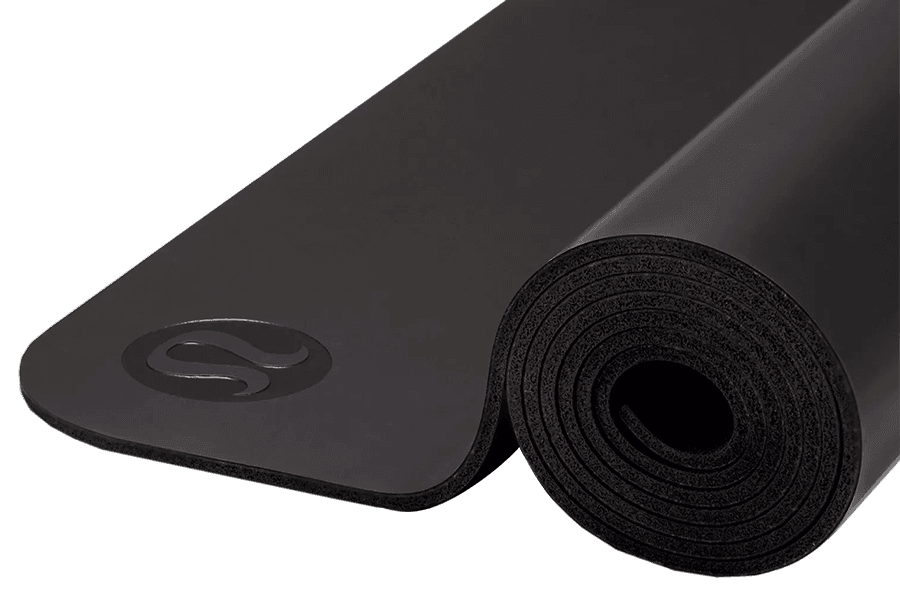
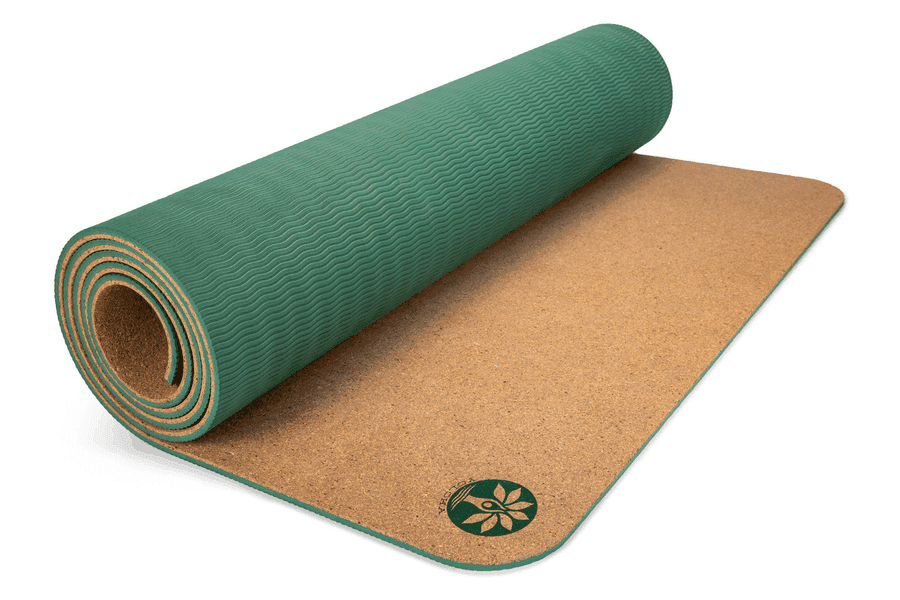
The Mat is the mat professional reviewers keep placing near the top of the category: 5 mm of natural rubber under an absorbent polyurethane skin, reversible, and $118. The Yoloha Unity Pro is a cork and rubber surface over a plant-based foam core, made in the USA, at $159.
The overall scores favor Lululemon by 15 points. The grip measurements go the other way. That combination makes this a more interesting page than the headline numbers suggest.
What the testing found
GearLab scored The Mat 81 of 100 and placed it fourth of 19, awarding it a top pick for mixed fitness routines, against 66 and tenth for the Unity Pro. The category breakdown shows where the gap opened: comfort and support 10 against 7, materials 7 against 6.5, and care and cleaning 7 against 5.
Then the grip chart complicates it. The Unity Pro rated 7.5 dry and 6 wet; The Mat rated 6.5 and 4.5. Both reviews also carry the opposite impression in their prose, with “sticky when wet” listed among The Mat’s strengths and slickness when wet among the Yoloha’s drawbacks. Our reading is that neither mat is a hot yoga specialist, and the numbers put the cork mat slightly ahead when things get damp.
Grip in practice
The Mat’s polyurethane face grips immediately and gets tackier as your palms dampen, because it pulls moisture in rather than letting it bead. Flip it and the textured rubber underside gives you a second, drier surface for slow practice or shoes.
Cork firms up with moisture too, and Yoloha’s own tip is to sprinkle a little water where your hands and feet go before class. Water sits on cork rather than soaking in, so there’s a ceiling to how far that goes, and testers kept a towel handy once sweat began to pool.
Practically: both handle a normally damp vinyasa class, and both eventually want a towel in a genuinely heated one. Neither is the mat to buy if hot yoga is the whole reason you’re shopping.
Feel: smooth skin against grainy cork
The Mat’s surface is smooth and slightly cool, closer to skin than to fabric, over firm rubber. The Unity Pro’s cork is blended with natural rubber and reads as textured and slightly dry under a palm. GearLab called it extra firm and among the most stable mats it tested, which suits standing work.
Cushion goes to Lululemon despite being thinner: 5 mm against 6, with a perfect 10 for comfort against 7. Density explains it, and the practical version is that your knees prefer The Mat while your standing foot might prefer the cork.
Cork is also the one surface in this category that photographs nothing like it feels. If there’s any way to put a hand on one before spending $159, do it.
Care: cork asks for more
The Unity Pro’s weakest score was care and cleaning at 5 out of 10, the lowest in the entire test field. Cork is porous, so it takes on moisture and wants thorough drying rather than a quick wipe, and it doesn’t clean like a sheet of rubber. Its compensation is that cork is naturally antimicrobial, so what it absorbs is less likely to smell.
The Mat has its own maintenance problem: the absorbent top stains where hands and feet land, and GearLab lists staining and the need for deep cleans among its cons. Both mats take gentle cleaners, no machine washing, and no sun or hot cars for the rubber underneath.
Weight and sizes
Lululemon lists The Mat at 5.24 pounds and GearLab measured 5.9; the Unity Pro is 7 pounds and GearLab measured the same. A pound isn’t much, though the cork mat is bulkier rolled.
Sizes are where Yoloha pulls ahead. The Unity Pro comes in 72″ × 26″, an 80″ × 26″ Long at $179, and an 84″ × 30″ XL at $219, which is one of very few genuinely wide mats made from natural materials. Lululemon answers with the 84″ × 28″ (Big) Mat at $128, which undercuts the Yoloha XL by $91.
Durability and coverage
The Mat wears from the top down as the polyurethane loses grip, and GearLab puts the realistic lifespan at four to six years. Lululemon backs it with the Quality Promise, which covers gear that doesn’t perform as designed but names no term and is handled case by case.
The Unity Pro held together through GearLab’s test period and cork resists compression well, so durability is arguably its quiet strength. The paperwork is thinner still: 30-day returns, no warranty, and the 84 by 30 inch size is excluded from free return shipping.
Materials and the eco question
Yoloha builds the Unity Pro from 83% USDA-certified renewable materials, cork and natural rubber over plant-based foam, made in the USA, with no PVC or plasticizers anywhere in it. Lululemon’s answer is FSC-certified natural rubber in the base alongside synthetic rubber and the polyurethane top.
Both are meaningful and one is more thorough. The caution applies equally: natural rubber carries trace latex proteins, so neither mat is safe with a genuine latex allergy, and GearLab lists latex content among The Mat’s drawbacks for exactly that reason.
Price and where to buy
List prices are $118 and $159, a $41 gap. Both brands keep sales inside their own channels: The Mat comes from lululemon.com or a store, and the Unity Pro from yolohayoga.com. Anything listed under either name on a marketplace is resold stock without brand coverage.
Per dollar the Lululemon is the stronger product. The Yoloha’s $41 premium goes to materials, made-in-USA manufacturing and sizes, rather than to a better score.
Bottom line
Get The Mat for most practices. It’s the better-tested mat, far more comfortable, lighter, easier to clean, reversible, and $41 less. Accept the staining, buy a darker color, and plan on four to six years.
Get the Unity Pro if a cork surface, a plant-based build, or an 84 by 30 inch footprint is the specific thing you want, or if you practice outdoors where cork handles grass and patios well. It also measured slightly better wet, which is worth knowing given how these two are usually described. For cork against a natural rubber mat at a lower price, see our Manduka eKO vs Yoloha comparison.
Lululemon The Mat 5mm
List price $118
Yoloha Unity Pro Cork
List price $159
Frequently Asked Questions
- Which one grips better when you sweat?
- The Yoloha, which surprised us. GearLab's 2026 wet and dry grip chart rated the Unity Pro 7.5 dry and 6 wet, against 6.5 and 4.5 for The Mat. That sits oddly next to the same review listing 'sticky when wet' among The Mat's strengths, and against the Yoloha's own cons, which include slickness when wet. Read it as neither mat being a hot yoga specialist. Yoloha even suggests sprinkling a little water where your hands and feet go to wake the cork up, and a towel eventually joins either mat.
- What does cork feel like compared to a polyurethane top?
- Grainy and dry rather than smooth and slightly cool. The Unity Pro's cork is blended with natural rubber, so it reads as textured under a palm, and GearLab called it extra firm and among the most stable mats it tested. The Mat's polyurethane face is closer to skin than fabric. Neither description tells you whether you will like it, and product photos convey none of it, so put a hand on a cork mat before spending $159 if you can.
- Which is more comfortable on hard floors?
- The Mat, even though it is thinner. GearLab rated its comfort and support a perfect 10 against 7 for the Yoloha, despite 5 mm against 6. The Yoloha is firm all the way down, which suits standing work and balance poses but gives your knees less. If cushioning is what you are shopping for, the extra millimeter on the cork mat is not the help the spec sheet implies.
- Is the Yoloha harder to look after?
- Yes, and it is where its score fell apart. GearLab rated care and cleaning 5 out of 10, the lowest of the 19 mats in the test, because cork is porous, takes on moisture and wants thorough drying rather than a quick wipe. The Mat scored 7 there, though it has its own maintenance problem: the absorbent top stains where hands and feet land and needs regular cleaning to stay ahead of it. Cork's compensation is that it is naturally antimicrobial, so what it absorbs is less likely to smell.
- How do the warranties compare?
- Thinly, on both sides. Lululemon's Quality Promise covers gear that does not perform as designed but names no term and gets handled case by case. Yoloha offers 30-day returns and no warranty, and its largest 84 by 30 inch size is excluded from free return shipping. Expect four to six years from The Mat's grippy top by GearLab's estimate; cork resists compression well, so the Yoloha's durability is arguably its quiet strength.
- Where do you buy them, and what sizes exist?
- Lululemon keeps everything inside its own channel, so The Mat comes from lululemon.com or a store, in 71 by 26 inches, with an 84 by 28 inch (Big) Mat at $128. Yoloha sells direct through yolohayoga.com in 72 by 26 at $159, 80 by 26 at $179, and 84 by 30 at $219, in natural cork or printed art designs. If you want a wide mat from natural materials, that 84 by 30 is one of very few options anywhere.
Related comparisons
- Manduka PROlite Long vs Lululemon The Mat 5mm
- JadeYoga Harmony 74" vs Lululemon The Mat 5mm
- Manduka PROlite vs Lululemon The Mat 5mm
- Lululemon The Mat 5mm vs Manduka GRP Adapt 2.0
- Lululemon The Mat 5mm vs Manduka eKO
- Lululemon The Mat 5mm vs b, halfmoon B Mat Everyday 4mm
- Manduka PRO vs Yoloha Unity Pro Cork
- Lululemon The Mat 5mm vs Yoga Design Lab Combo 3.5mm
- Manduka PRO Long vs Yoloha Unity Pro Cork