Jade Harmony XW vs Gaiam Premium 6mm: Which One Should You Buy?
A $120 gap between two yoga mats usually means one of them is nonsense. Neither of these is. The Gaiam Premium 6mm is the mat OutdoorGearLab named the best first yoga mat in a 19-mat test, and it costs about $30. The Jade Harmony XW is 80 by 28 inches of natural rubber made in the USA, covering roughly 37 percent more floor and gripping in conditions the Gaiam gives up in. Here's how to tell which one your practice needs.
As an Amazon Associate, we earn from qualifying purchases made through links on this page. How this works
The quick answer
The XW is the bigger, grippier, longer-lived mat: tacky open-cell rubber from the first minute, firm underfoot in balance poses, and one of the largest mats anyone sells. The Gaiam is softer under knees, three and a half pounds lighter, easier to replace, latex-free, and it costs a fifth as much. GearLab scored it 62 out of 100 with 6 out of 10 for dry grip and 4 wet, plus notes about compression and visible indentations under regular use.
Get the Gaiam if you are new, unsure how often you will practice, or want padding for gentle floor work. Get the XW if you are tall or broad, your hands slide when the room warms up, or you know you are practicing for years.
Get the Harmony XW if...
- You are tall or broad and 68 by 24 inches has run out
- Your hands slide during a flow and you want real tack
- You want a firm surface that stays put in balance poses
- You want USA-made tree rubber with no PVC in it
Get the Gaiam Premium if...
- You are starting out and not sure how much you will practice
- You want padding for kneeling and seated work
- You have a latex allergy and need a PVC mat
- You'd rather keep $120 and carry 3.3 pounds
Side by side
Price
The Gaiam Premium lists for about $120 less.
$149.95
List price · check price at Amazon
$29.98
List price · check price at Amazon
Thickness
The Gaiam Premium is 25% thicker.
4.8 mm0.19″
6 mm0.24″
Weight
The Gaiam Premium is 3.4 lbs lighter.
6.7 lbs3 kg
3.3 lbs1.5 kg
Size
The Harmony XW is 12″ longer; the Harmony XW is 4″ wider.
Same on both
- Sold on Amazon with prices that drift by colorway
- No carrying strap in the box
- Wipe-down cleaning only
- Both should stay out of direct sunlight
Full specs
Dimensions
Materials & build
The biggest mat in the room against the cheapest
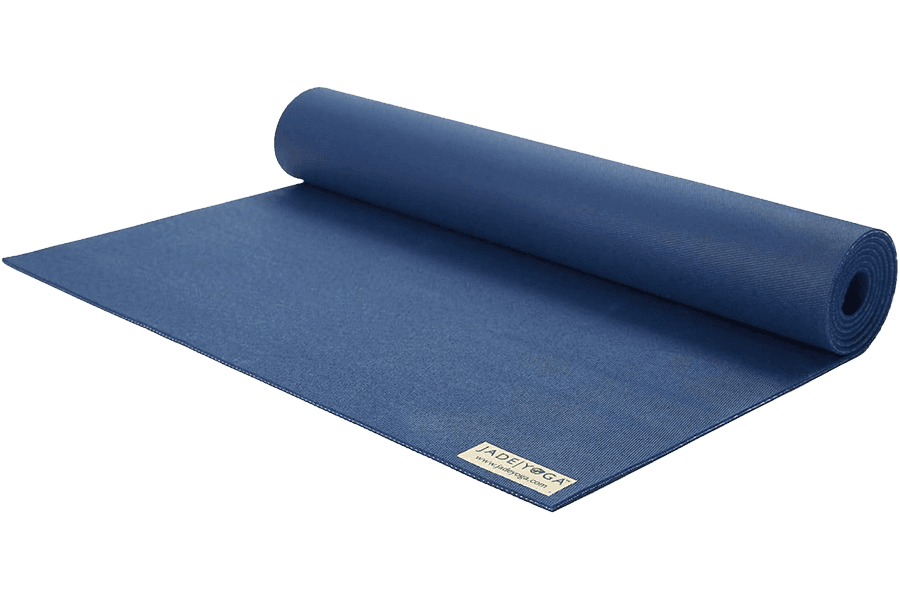
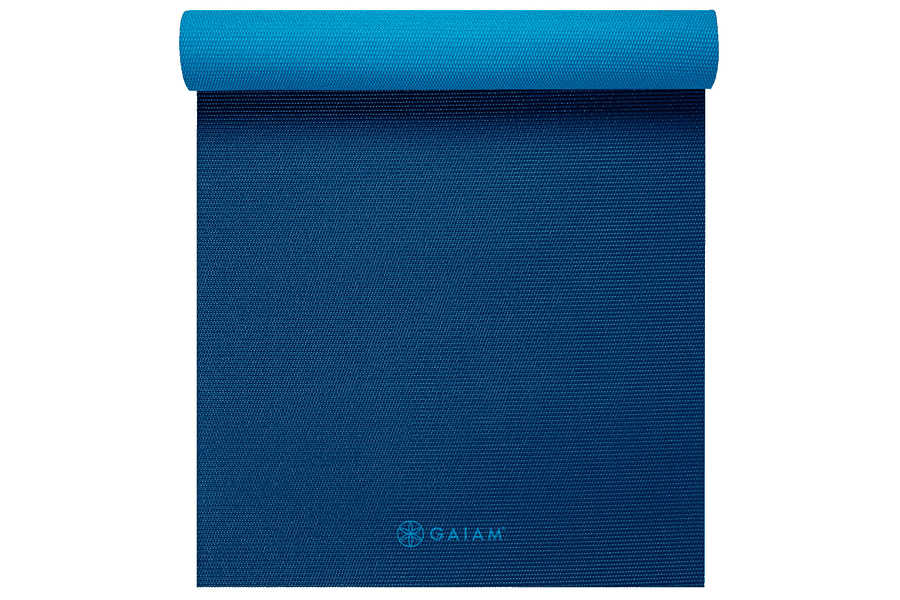
The Jade Harmony XW is 80″ × 28″ of natural rubber made in the USA, at $149.95. The Gaiam Premium 6mm is 68″ × 24″ of soft PVC foam at $29.98, and it is the mat OutdoorGearLab named the best first yoga mat in a 19-mat test.
A $120 gap between two mats usually means one of them is nonsense. Neither of these is. The Gaiam is a good answer to a small question, and the XW answers a bigger one: it covers about 37 percent more floor and grips in conditions the Gaiam gives up in.
Sixty-eight inches runs out on a lot of people
The Gaiam is the old standard footprint, which suits practitioners up to about five foot eight. Past that, heels hang off in savasana and hands creep off the front edge in down dog, and 24 inches of width feels tight in anything with a wide stance. It is the most common reason people replace their first mat.
The XW is one of the largest mats anyone sells: 12 more inches of length and four more of width. Wide-legged poses stay on the rubber, and a six foot one practitioner fits with margin. It is worth measuring your floor first, because a mat this size is happiest unrolled somewhere permanent.
Grip is the difference you notice on day one
GearLab rated the Gaiam 6 out of 10 for dry grip and 4 wet, and one tester described the foam turning slippery as moisture built up, enough to lose confidence in a wide-legged forward fold. For gentle practice in a cool room it holds fine.
Jade’s open-cell rubber is tacky from the first minute with no break-in, and it takes light moisture into the surface rather than letting it bead on top. Wirecutter credits exactly that construction for the Harmony’s traction in sweaty sessions, and GearLab scored the closely related Harmony 2.0 at 9.5 out of 10 dry and 7 wet. A dripping hot class still wants a towel, but the range of conditions the Jade handles is much wider.
Firm rubber against soft foam
Soft PVC compresses unevenly under a loaded foot, so a standing balance becomes partly an argument with the mat. GearLab scored the Gaiam 6.5 out of 10 for comfort and support and noted that pressing a hand into it leaves the print for a moment. That softness is what makes it pleasant for seated and kneeling work.
The Jade is denser and firmer, so less thickness does more work. You feel the floor through it, and nothing shifts underfoot in tree pose or warrior three. Which of those you prefer is a real preference, not a quality ranking, and it is worth knowing which you are before spending $150.
For knees, the cheap mat is kinder
The Gaiam is 6 mm of soft foam against 3/16 of an inch, about 4.8 mm, of dense rubber. GearLab praised its padding for knees and wrists and quoted a tester calling it comfortable for kneeling poses, seated stretches and long floor sequences.
If sore knees on hardwood are the problem you are trying to solve, the expensive mat makes it slightly worse. Fold a blanket under the knee, which teachers suggest anyway, or look at a thicker rubber mat rather than assuming price fixes padding.
Weight and carrying
The Gaiam is 3.3 pounds and GearLab called it one of the easiest mats to carry in its test. The XW is 6.7 pounds and rolls into an 80 inch tube that defeats most straps and sticks out of standard bags.
If your mat commutes, that is a serious argument for the Gaiam, or for a smaller Jade. The standard 68″ Harmony gives you the same surface at 4.8 pounds and $50 less, and the 74″ sits between them.
The warranties point the wrong way
Gaiam covers a $29.98 mat for life, and Jade writes one year with sun damage and harsh cleaners excluded. Neither policy is likely to help you, because these mats do not fail with a defect you can claim on. They wear out.
The Gaiam wears out first. GearLab found it showing compression, scuffs and visible indentations under regular use and listed shorter lifespan among its downsides; a year or two of steady practice flattens the spots under your hands and heels. Rubber softens and sheds more slowly, and hard-practicing Harmony owners replace theirs every few years while careful ones go much longer, with CNN Underscored putting the ceiling around ten years.
Materials, latex, colors and price
The XW is tapped tree rubber with no PVC, made in the USA, and Jade plants a tree for every mat sold, past two million by its own count. The catch is allergies: Jade describes its mats as 99% latex free rather than latex free, so the Gaiam’s latex-free PVC is the safe option if you react to natural rubber, and that settles the comparison before grip enters into it.
On color the Gaiam offers four reversible combinations against a single Midnight Blue for the XW. Both drift below list, so check the Harmony XW at Amazon and the Gaiam at Amazon before paying full price. Five Gaiams cost about one XW, which is worth sitting with: if the Gaiam is doing everything you need, replacing it every couple of years is a defensible plan.
Bottom line
Buy the Gaiam Premium if you are new, unsure how much you will practice, or want padding for gentle and floor-heavy sessions. It is the best first mat in a professional test for good reasons, it carries an unusual lifetime guarantee, and it is the easiest mat here to carry and to replace.
Buy the Harmony XW if you are tall or broad, if your hands slide when the room warms up, or if you know you are practicing for years. It is a much larger, grippier, longer-lived mat, and you give up cushion, portability and color choice for it. Our standard Harmony vs Gaiam Premium page runs this same comparison at 68 inches, and Harmony vs Harmony XW covers whether the size is worth $50 inside Jade’s own range.
Jade Harmony XW
List price $149.95
Gaiam Premium 6mm
List price $29.98
Frequently Asked Questions
- How much bigger is the Harmony XW than the Gaiam Premium?
- Twelve inches longer and four inches wider: 80 by 28 against 68 by 24, which works out to roughly 37 percent more floor covered. The Gaiam is the old standard footprint and suits practitioners up to about five foot eight. The XW fits a six foot one practitioner with margin and keeps wide-legged poses on the rubber. It is worth measuring your space before ordering, because a mat that size is happiest left unrolled.
- Is the Gaiam Premium 6mm a good yoga mat?
- For a beginner, yes, and professional testers agree: OutdoorGearLab scored it 62 out of 100 and gave it a Best Buy award as the best first mat, praising its cushion for kneeling and seated work and its easy cleaning. Its limits are also documented, with 6 out of 10 for dry grip, 4 wet, softness that costs stability in balance poses, and compression showing under regular practice.
- Which grips better?
- The Jade, and it is not close. Open-cell rubber is tacky from the first minute with no break-in and takes light moisture into the surface rather than letting it bead on top. Wirecutter credits exactly that construction for the Harmony's traction in sweaty sessions, and GearLab scored the closely related Harmony 2.0 at 9.5 out of 10 dry and 7 wet. The Gaiam holds dry hands in a cool room and turns slippery as moisture builds.
- Which is more comfortable for knees?
- The Gaiam. It is 6 mm of soft foam against 3/16 of an inch, about 4.8 mm, of dense rubber, and GearLab quoted a tester calling it comfortable for kneeling poses, seated stretches and long floor sequences. The Jade is firmer by design, which is what makes it steadier in standing poses. If sore knees are the problem, fold a blanket under them rather than buying the more expensive mat.
- Which lasts longer?
- The Jade, comfortably. GearLab found the Gaiam showing compression, scuffs and visible indentations with regular use and listed shorter lifespan among its downsides, so a year or two of steady practice flattens the spots under your hands and heels. Natural rubber softens and sheds more slowly; hard-practicing Harmony owners replace theirs every few years and careful ones go much longer, with CNN Underscored putting the ceiling around ten years. The warranties point the other way: lifetime from Gaiam, one year from Jade.
- Is the Harmony XW safe with a latex allergy?
- No. Jade describes its mats as 99% latex free rather than latex free, so the XW is not a safe choice if you have a genuine latex allergy. The Gaiam is latex-free PVC and is the safe option here, which for some buyers settles the comparison before grip or size enter into it.
Related comparisons
- Gaiam Premium 6mm vs Gruper TPE 6mm
- Manduka PROlite Long & Wide vs JadeYoga Harmony XW
- Amazon Basics 1/4 Inch Thick TPE vs Gaiam Premium 6mm
- Gaiam Premium 6mm vs YogaAccessories Extra Thick Deluxe 1/4"
- JadeYoga Harmony XW vs Alo Warrior
- JadeYoga Harmony XW vs Manduka GRP Adapt 2.0 Long
- Manduka PRO vs JadeYoga Harmony XW
- JadeYoga Harmony XW vs Yoloha Unity Pro Cork
- JadeYoga Harmony XW vs Lululemon The (Big) Mat 5mm