Jade Harmony vs Gaiam Essentials: Which One Should You Buy?
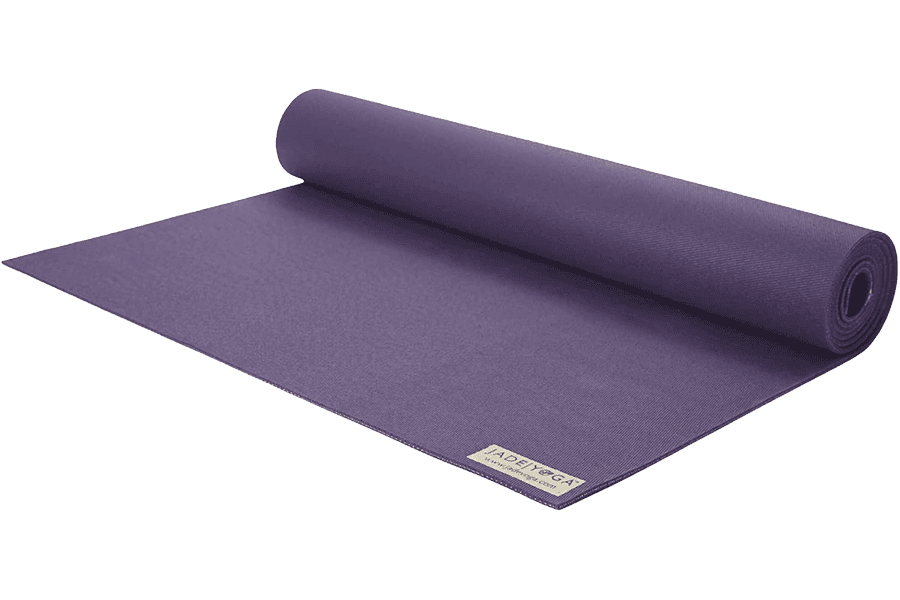
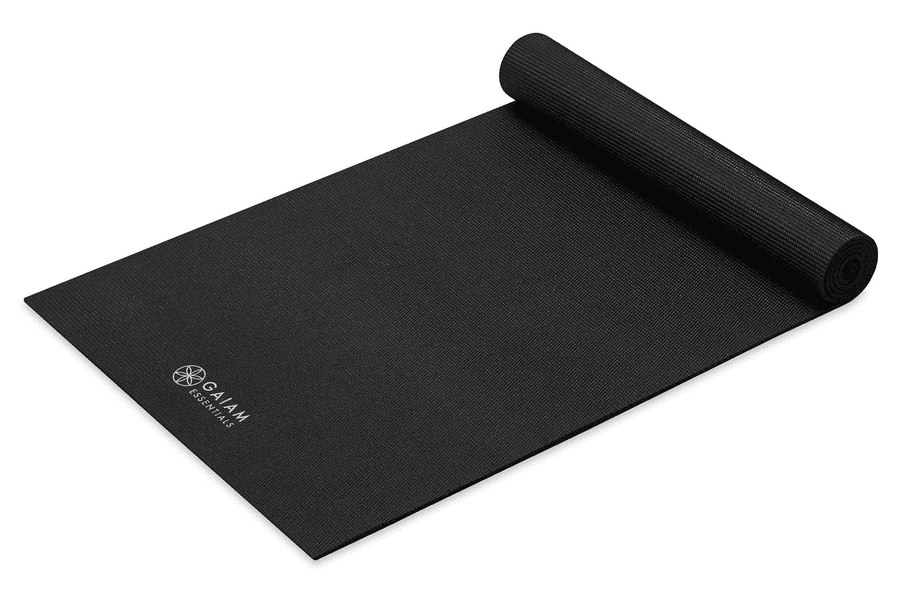
The Harmony is $99.95 of open-cell natural rubber made in the United States. The Gaiam Essentials is about $22 of soft PVC foam. Most people shopping this pair already own something like the Gaiam and want to know whether rubber is worth four times the money. The answer turns on grip, and it is worth knowing that the cheap mat wins more of the spec sheet than you would expect.
As an Amazon Associate, we earn from qualifying purchases made through links on this page. How this works
The quick answer
Grip is the whole argument. Open-cell natural rubber grabs skin from the first class and keeps holding once your palms are damp, which is the one thing soft PVC foam cannot do at any price. GearLab scored the closely related Gaiam Premium 6mm, which shares the Essentials surface, at 6 out of 10 dry and 4 out of 10 wet, and listed poor wet grip among its three downsides.
Everything else favors the Gaiam: it is four inches longer, a millimeter thicker, more than a pound lighter, comes with a sling and carries a lifetime guarantee against the Jade's one year. Start on the Essentials. Move to the Harmony when your hands start sliding.
Get the Jade Harmony if...
- Your hands slide on your current mat
- You want a firm surface that holds still in standing poses
- You care that a mat is natural rubber and made in the USA
- You want a mat that wears down slowly instead of flattening
Get the Gaiam Essentials if...
- You are new to yoga or practicing once a week
- You want more cushion under your knees for less money
- You are taller and want the extra four inches of length
- You need a latex-free mat
Side by side
Price
The Gaiam Essentials lists for about $78 less.
$99.95
List price · check price at Amazon
$22.13
List price · check price at Amazon
Thickness
The Gaiam Essentials is 25% thicker.
4.8 mm0.19″
6 mm0.24″
Weight
The Gaiam Essentials is 1.3 lbs lighter.
4.8 lbs2.2 kg
3.5 lbs1.59 kg
Size
The Gaiam Essentials is 4″ longer; same width.
Same on both
- 24 inches wide
- Strong smell for the first week or two
- Neither should live in the sun
- Both want a damp cloth rather than harsh cleaners
Full specs
Dimensions
Materials & build
Buying
A rubber mat and a foam one, four times apart
The Harmony is $99.95 of open-cell natural rubber made in the United States. The Essentials is about $22.13 of soft PVC foam. Almost everyone shopping this pair already owns something like the Gaiam and is trying to work out whether rubber is worth four times the money.
It comes down to one thing you can feel in the first minute and a few things you notice over a year. Interestingly, the cheap mat wins more of the spec sheet than you would guess: it is longer, thicker, lighter and carries a better guarantee.
What rubber buys you
Traction, immediately and without a break-in period. Open-cell rubber grabs skin rather than relying on a printed texture, and it keeps doing it once your palms are damp because the surface absorbs a little instead of glazing over. Jade cites Yoga Journal naming it best mat for grip in 2024, which is Jade quoting a magazine rather than a lab result, but the reputation is well earned and consistent across owner reviews.
The Gaiam has a textured sticky finish that works fine in a dry room. GearLab tested the closely related Gaiam Premium 6mm, which uses the same surface, and scored it 6 out of 10 for dry grip and 4 out of 10 wet, with poor wet grip listed among its three downsides. One tester described the foam getting slippery as moisture built up, enough to lose confidence in a wide-legged forward fold. If your hands slide in class, that is the problem the Harmony solves.
Standing poses feel different on each
The Harmony is 4.8 mm of dense rubber, which Jade describes as cushion that still leaves you stable for standing poses. That is accurate. You feel the floor through it, and nothing shifts under a loaded foot.
The Essentials is 6 mm of soft foam, more padding and less certainty. Press a hand into it and the print lingers. Kneeling is more comfortable on the Gaiam and tree pose is more comfortable on the Jade, and which of those you care about is most of this decision.
The cheap mat is the bigger one
The Harmony is 68″ × 24″. The Essentials listing we link is 72″ × 24″, so the twenty two dollar mat gives you four more inches of length. If you are around five foot ten or taller, that is not a detail.
Weight favors the Gaiam too, 3.5 pounds against 4.8, and it ships with a cinch sling the Jade does not include. If length is what you want from the Harmony, Jade sells it as a 74 inch Long and an 80″ × 28″ Harmony XW.
How long each one lasts
The Harmony wears rather than collapses. Open-cell rubber sheds a fine dust at the contact points over the years and slowly thins, and a mat used several times a week typically has a good few years in it. Jade covers it for one year, excluding sun damage and harsh cleaners, and is explicit that its rubber mats are not meant for outdoor use.
The Essentials compresses. Soft PVC takes a permanent set under your hands, knees and hips, and GearLab found the same foam in the Premium showing compression, scuffs and wear with regular use. Gaiam covers the mat for life, which sounds like the better deal until you read what a guarantee like that addresses: manufacturing defects, not foam that has gone flat.
Care, latex and smell
Two different chores. The Harmony is natural rubber, so it is not safe with a latex allergy, it smells strongly of rubber for the first week or two, and it wants a damp cloth rather than alcohol, vinegar or oils, all of which degrade rubber. Because it absorbs, a heavily used Harmony needs a proper wipe down rather than a quick pass.
The Essentials is PVC, latex free and 6P free, and it takes any mild cleaner. It has its own smell: Gaiam asks you to unroll it and air it out for two to three days before the first session and publishes a guide on removing the odor. It also goes brittle in sunlight, so neither of these mats wants to live on a balcony.
Check which Harmony you are looking at
Jade sells two mats under the Harmony name and reviews rarely say which one they mean. This page is the original: made in the USA, 3/16 inch thick, and $99.95 in the 68 inch size. The Harmony 2.0 is a separate product made in Spain, priced about ten dollars higher, carrying FSC and OEKO-TEX certifications.
It matters because the 2.0 is the one in GearLab’s current lineup, where it scored 78 out of 100 and took the eco-friendly dry grip award with 9.5 out of 10 for dry grip. Those numbers describe the newer mat. The two are close relatives and the original has its own long reputation, but do not treat an award for one as a result for the other.
The environmental difference is real
This is not marketing garnish here. The Harmony is tapped natural rubber with no PVC or synthetic rubber, made in the United States, and Jade plants a tree for every mat sold through Trees for the Future, more than two million so far. If you care where a mat comes from, that is a straightforward answer.
The Essentials is PVC, which is cheap, durable in the short term and not recyclable in any practical sense. Gaiam makes it free of the six worst phthalates and latex, which addresses what touches your skin rather than what happens at the end of the mat’s life. Both positions are defensible at their prices; they are just not the same position.
Price and where to buy
Buy the Harmony from jadeyoga.com unless Amazon is cheaper on the day. Jade lists it at $99.95 and third party sellers on Amazon have been running above that, which is unusual and worth checking both places before you order.
The Essentials is an Amazon purchase at about $22.13, drifting a few dollars by color. Gaiam’s own site sells a 68″ × 24″ Essentials at $19.98 without the sling, so confirm the length on whichever listing you use.
Bottom line
Buy the Essentials if you are new, practicing gently, or unsure yoga is going to stick. It is longer, thicker, lighter, cheaper and guaranteed for life, and its weaknesses only appear when you sweat or balance on one leg. Nobody needs a hundred dollar mat to start.
Buy the Harmony when the cheap mat starts sliding. Grip is what you are paying for and it is the thing rubber does that foam cannot, and you also get a mat made in the United States by a company that plants a tree for it. If you want that grip in a mat that also travels well, our Harmony vs Manduka eKO Lite comparison is the next one to read.
Jade Harmony
List price $99.95
Gaiam Essentials 6mm
List price $22.13
Frequently Asked Questions
- Is the Jade Harmony worth four times the price?
- If grip is your problem, yes. Open-cell natural rubber holds skin from the first session with no break-in and keeps working when your palms are damp, and no textured PVC mat does that. If you practice gently once a week in a cool room and never slide, the Essentials is doing the job and the extra $78 buys you very little.
- Is this the Harmony or the Harmony 2.0?
- This page covers the original Harmony: made in the USA, 3/16 inch thick, $99.95 for the 68 inch size. Jade also sells a Harmony 2.0, a separate mat made in Spain at about $10 more with FSC and OEKO-TEX certifications. The 2.0 is the one in GearLab's current lineup, where it scored 78 out of 100 and won an eco-friendly grip award with 9.5 out of 10 dry grip. Those numbers describe the newer mat, so check which version any review means.
- Which one is more comfortable for knees?
- The Gaiam. It is 6 mm of soft PVC foam against the Harmony's 4.8 mm of dense rubber, and softness is exactly what a kneeling knee wants. The tradeoff shows up the moment you stand on one leg, because that same foam gives way unevenly under a loaded foot while the rubber does not. Comfort and stability pull in opposite directions here.
- How long does each one last?
- The Harmony wears rather than collapses: open-cell rubber sheds fine dust at the contact points and thins slowly, and a few years of regular practice is normal. Jade covers it for one year, excluding sun damage and harsh cleaners. The Essentials compresses, taking a permanent set under your hands, knees and hips, usually within a couple of years of regular use. Gaiam's lifetime guarantee covers manufacturing defects rather than foam that has gone flat.
- Can you use either one for hot yoga?
- The Harmony, yes, with the caveat that open-cell rubber absorbs sweat and needs a proper wipe down rather than a quick pass. The Essentials, no. Its sticky texture stops working as soon as your palms are wet, and putting a towel over the top means you are practicing on the towel. If heated classes are your regular practice, a rubber or polyurethane mat is the category you want.
- Are these safe with a latex allergy?
- The Gaiam is; the Jade is not. The Essentials is PVC, latex free and free of the six worst phthalates. The Harmony is natural rubber, and Jade describes its mats as 99% latex free, which is not the same as safe for a latex allergy. If latex is a medical issue for you, that rules the Harmony out regardless of how well it grips.
Related comparisons
- YogaAccessories Extra Thick Deluxe 1/4" vs Gaiam Essentials 6mm
- JadeYoga Harmony 68" vs Suga SugaMat
- JadeYoga Harmony 68" vs Manduka PRO Lite Terra 4.7mm
- Gruper TPE 6mm vs Gaiam Essentials 6mm
- JadeYoga Harmony 68" vs Manduka eKO Lite
- Amazon Basics 1/4 Inch Thick TPE vs Gaiam Essentials 6mm
- Manduka PROlite vs JadeYoga Harmony 68"
- JadeYoga Harmony 68" vs Manduka GRP Adapt 1.0
- JadeYoga Harmony 68" vs Manduka eKO Lite Long