Manduka GRP Adapt 2.0 vs B Mat Everyday: Which One Should You Buy?
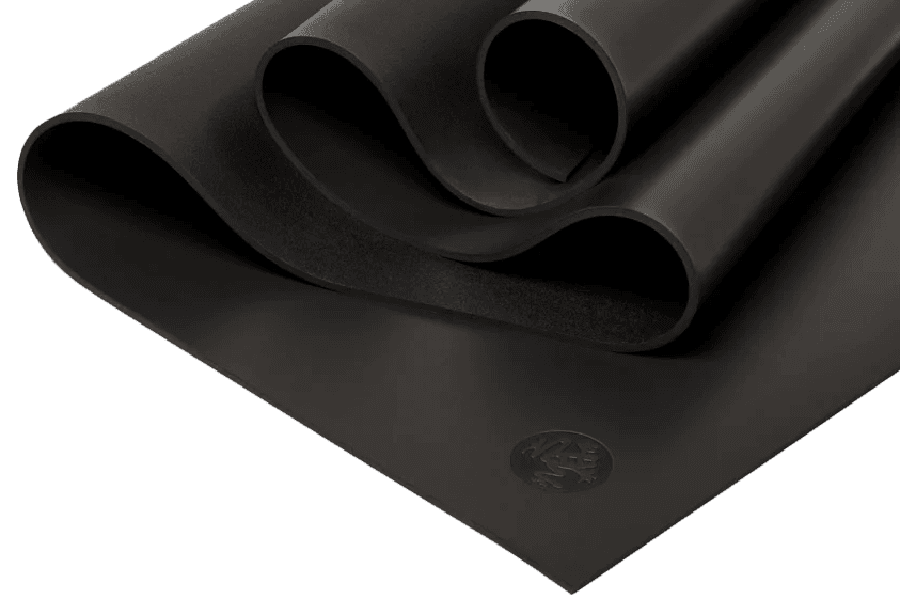
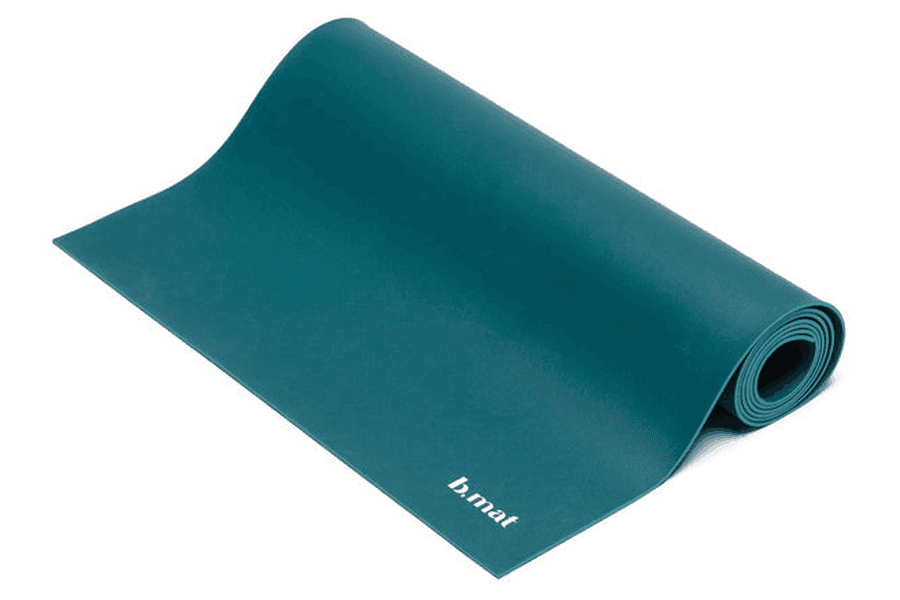
Both mats are made in Spain, both measure 71 by 26 inches, and both exist because ordinary mats turn slick when you sweat. They solve that problem in opposite ways. The GRP Adapt 2.0 puts an absorbent polyurethane skin over rubber and pulls moisture down into the mat. The B Mat Everyday is rubber all the way through, so sweat sits on top and the rubber holds anyway.
As an Amazon Associate, we earn from qualifying purchases made through links on this page. How this works
The quick answer
Both are genuinely excellent in a heated room, so this is a question of feel rather than performance. GearLab made the GRP Adapt 2.0 its top pick for hot yoga in the current roundup, with the best wet grip score in a 19 mat field at 8.5 out of 10, and its Satin Grip surface lets your hands slide into position before they catch. It reviewed the B Mat Everyday separately at 78 out of 100 and scored its grip 9 out of 10, calling it the grippiest mat in that lineup, with a bite so strong that testers started stepping between poses instead of gliding.
If you flow, get the GRP Adapt 2.0. If you hold strong poses and want maximum traction, get the B Mat Everyday, which is also lighter, cheaper and the only one of the two with a warranty.
Get the GRP Adapt 2.0 if...
- You practice vinyasa or Ashtanga and slide between poses
- You want the best wet grip numbers anyone has published
- You want a millimeter more cushion under your knees
- You want a 79 inch long version as an option
Get the B Mat Everyday if...
- You hold long, strong poses and want maximum traction
- You want to carry a pound and a half less
- You want a written one year warranty and an OEKO-TEX certification
- You would rather keep the $10 and buy a dark color
Side by side
Price
The B Mat Everyday lists for $10 less.
$128
List price · check price at manduka.com
$118
List price · check price at bhalfmoon.com
Thickness
The GRP Adapt 2.0 is 25% thicker.
5 mm0.2″
4 mm0.2″
Weight
The B Mat Everyday is 1.7 lbs lighter.
5.8 lbs2.6 kg
4.1 lbs1.86 kg
Size
Same length; same width.
Same on both
- 71″ × 26″ footprint
- Made in Spain
- Grip that works without a towel in a heated room
- Sweat leaves visible marks on the surface
- Strong rubber smell for the first week or two
- Sold direct, not on Amazon
Full specs
Dimensions
Materials & build
Buying
Two ways to beat a slippery mat
Both of these are hot yoga mats made in Spain, both are 71″ × 26″, and they cost within ten dollars of each other. They solve the same problem in opposite ways. The GRP Adapt 2.0 puts an absorbent polyurethane skin over rubber and drinks your sweat down into the mat. The B Mat Everyday is rubber all the way through, and sweat sits on the surface while the rubber keeps holding anyway.
That mechanical difference decides almost everything else here: how each one feels under a sliding hand, how you clean it, how it looks after a year, and which one you will still like in six months.
Sweat: both work, and they feel nothing alike
GearLab named the GRP Adapt 2.0 its top pick for hot yoga in the current roundup, scoring it 9.5 out of 10 for dry grip and 8.5 wet, the best wet number in a 19 mat field. Its testers poured a liter of water on the mat and still felt secure through sun salutations. The surface pulls moisture down and stays tacky rather than beading.
The B Mat was tested separately and earned 9 out of 10 for grip, and GearLab called it the grippiest mat in that lineup dry or wet, with no break-in needed. Sweat pools on top instead of soaking in, and the traction holds anyway. In practice, that means towelling off the surface occasionally rather than letting the mat handle it.
Those scores come from different test rounds, so treat them as two strong results rather than a photo finish. Either mat will keep you planted in a heated room without a towel over the top, which very few mats at any price will do.
Where the B Mat can be too much of a good thing
The B Mat’s grip has a personality, and it is the most common complaint about it. GearLab’s testers found the rubber held skin firmly enough that sliding a hand or a foot between poses felt sticky, and several of them changed how they practiced, stepping rather than gliding. The review called it a poor match for styles built on quick transitions like Ashtanga or a fast vinyasa flow.
The GRP Adapt 2.0’s Satin Grip surface is the other approach: smooth to the touch, tacky under pressure, so your hands slide when you want them to and stop when you load them. If you practice a fast vinyasa or Ashtanga sequence, that is a real advantage. If you hold long, strong poses in a hot room, the B Mat’s bite is the point.
Cushion: 5 mm against 4 mm, closer than it reads
The GRP is 5 mm and scored 8.5 of 10 for comfort and support. The B Mat is 4 mm and scored 8.0. GearLab pressed a pen into each mat under a cinder block and described the B Mat as compressing slightly and rebounding quickly, which is why a thinner mat holds its own here.
Neither is a plush mat. GearLab listed less cushion on the knees as a downside of the GRP, and the B Mat is dense rather than soft. If your knees are the reason you are shopping, both of these are the wrong tool and you want more thickness: b, halfmoon sells the same rubber as the 6 mm B Mat Strong, which is the obvious move inside this pair of brands.
Weight, footprint and the long versions
Manduka lists the GRP at 5.8 pounds and GearLab measured 5.5. The B Mat is 4.1 pounds. That pound and a half is the difference between a mat you carry without noticing and one you plan around slightly, and it is the B Mat’s best practical argument.
Footprints match exactly at 71 by 26 inches, and 26 inches of width is generous enough that a wide down dog keeps your hands on the mat. Both come longer if you need it: the GRP Adapt 2.0 Long runs 79″ × 26″ and b, halfmoon sells an Everyday Long at 85″ × 26″.
Care, stains and rubber smell
Both mats stain, and both brands warn you off the cleaners you would reach for. GearLab found water marks on the side of the B Mat after its test period and recommends buying a dark color for that reason. It also picks up hair and lint aggressively, so it wants a mat bag rather than a car trunk. Sweat leaves visible marks on the GRP too, which GearLab listed among its cons.
Cleaning is a wipe with water or heavily diluted mild detergent on both, then flat drying out of the sun. Skip alcohol, vinegar and anything abrasive: they attack the GRP’s polyurethane skin and break down the B Mat’s surface. Both smell strongly of rubber out of the box and both clear within a week or two of airing.
Durability and what is covered
Neither of these is built the way a Manduka PRO is built, and both wear at the surface. GearLab scored the B Mat 6 out of 10 on materials, noting that owner reports point to the hand and foot areas peeling and the grip fading with heavy use. Polyurethane topped mats like the GRP have the same failure mode, and the coating is the part that does the gripping.
Coverage differs, and it favors the cheaper mat. b, halfmoon warranties the B Mat for one year and it carries an OEKO-TEX Standard 100 certification. Manduka offers no warranty on the GRP Adapt 2.0, just a 30 day return window. For a mat you intend to sweat on four times a week, a year of written coverage is worth something.
Price and where to buy
The GRP Adapt 2.0 lists at $128 on manduka.com and the B Mat Everyday at $118 from us.bhalfmoon.com. Neither sells through Amazon, so marketplace listings under either name are resold stock with no coverage attached.
Manduka discounts the GRP during seasonal sales more often than b, halfmoon discounts the B Mat, which can close or reverse the ten dollar gap. Colorways matter more than usual here for a reason that is not aesthetic: dark colors hide the water marks both mats develop.
Bottom line
Get the GRP Adapt 2.0 if you flow. It has the best wet grip numbers anyone has published, and its surface lets your hands slide into position instead of catching, which matters in every vinyasa class you take. You are giving up a warranty and carrying an extra pound and a half.
Get the B Mat Everyday if you hold poses, sweat hard, and want the most traction available. It is lighter, cheaper, certified, warrantied for a year, and grippier than almost anything made. Just know going in that its bite is not for gliding styles. If you want the grip without the price, our IUGA vs B Mat Everyday comparison covers the budget end of this category.
Manduka GRP Adapt 2.0
List price $128
B Mat Everyday 4mm
List price $118
Frequently Asked Questions
- Which one grips better in hot yoga?
- Both are near the top of what exists, and they were tested in different rounds so the numbers are not directly comparable. GearLab scored the GRP Adapt 2.0 at 9.5 dry and 8.5 wet in its current 19 mat roundup, the best wet result in that field, after pouring a liter of water on the mat. Its standalone review of the B Mat Everyday rated grip 9 out of 10 and described traction that survived sprinkles, puddles and waves of sweat with no break-in period. Neither needs a towel.
- Why would you not want the grippiest mat?
- Because grip is friction, and friction fights transitions. GearLab's testers found the B Mat held skin firmly enough that sliding a hand or foot between poses felt sticky, and several changed their practice to step rather than glide. Its reviewers called it a poor fit for styles built on quick transitions. The GRP's Satin Grip surface is smooth to the touch and tacky under load, which is easier in a fast vinyasa.
- Is 4 mm enough cushion?
- For most people, yes. GearLab pressed a pen into each mat under the weight of a cinder block and found the B Mat compressed slightly and rebounded quickly, scoring 8 out of 10 for comfort and support at 4 mm. The GRP is 5 mm and scored 8.5. Neither is a plush mat, and GearLab listed less cushion on the knees among the GRP's downsides. If kneeling is what hurts, the 6 mm B Mat Strong is the more useful answer than either of these.
- Do these mats stain?
- Both do. GearLab found water marks on the side of the B Mat after its test period and recommends buying a dark color for that reason, and also noted the grippy surface picks up hair, dirt and lint aggressively. Sweat leaves watermarks on the GRP too, which GearLab listed among its cons. Neither affects how the mats perform. Store either one in a mat bag rather than a car trunk.
- Which one is covered if something goes wrong?
- The B Mat. b, halfmoon warranties it for one year and it carries an OEKO-TEX Standard 100 certification. Manduka offers no warranty on the GRP Adapt 2.0, only a 30 day return window. Both mats wear at the surface over time, and GearLab scored the B Mat 6 out of 10 on materials after finding owner reports of the hand and foot areas peeling with heavy use, so coverage is not a theoretical concern on either.
- Are they safe with a latex allergy?
- No. Both are built on natural rubber, so neither is safe if latex is a medical issue for you. That also explains the smell: both come out of the packaging with a strong rubber odor that clears within a week or two of airing in a ventilated room. If you need a latex-free grippy mat, a polyurethane top over a synthetic base is the category to look at instead.
Related comparisons
- Manduka GRP Adapt 2.0 vs Lululemon The (Big) Mat 5mm
- Yoga Design Lab Combo 3.5mm vs b, halfmoon B Mat Everyday 4mm
- b, halfmoon B Mat Everyday 4mm vs Manduka GRP Adapt Lite 2.1 4mm
- Lululemon The Mat 5mm vs Manduka GRP Adapt 2.0
- Manduka PROlite vs b, halfmoon B Mat Everyday 4mm
- Lululemon The Mat 5mm vs b, halfmoon B Mat Everyday 4mm
- Manduka PROlite Long vs b, halfmoon B Mat Everyday 4mm
- b, halfmoon B Mat Everyday 4mm vs Manduka PRO Lite Terra 4.7mm
- b, halfmoon B Mat Everyday 4mm vs JadeYoga Harmony 2.0 68"