Manduka GRP Adapt 2.0 Long vs Amazon Basics 1 Inch: Which One Should You Buy?
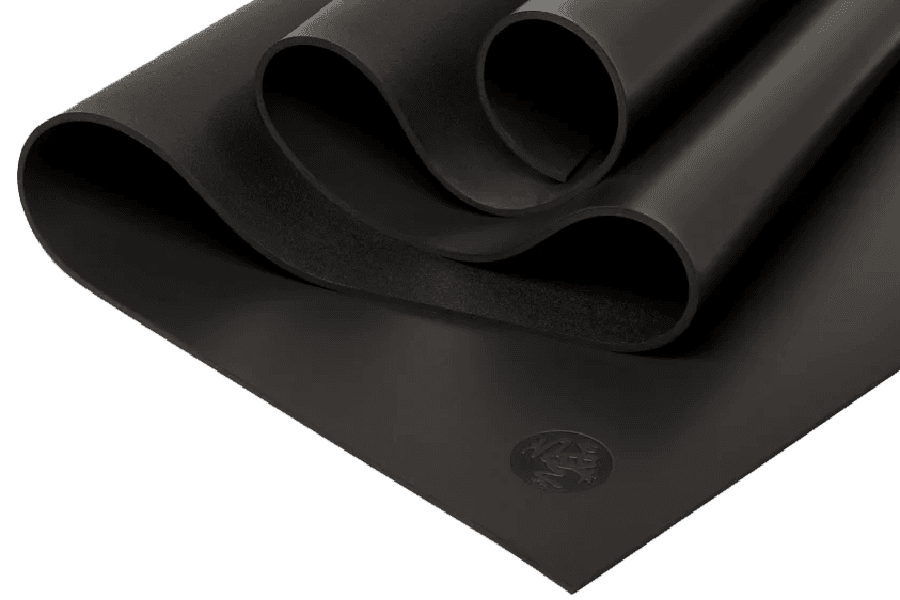
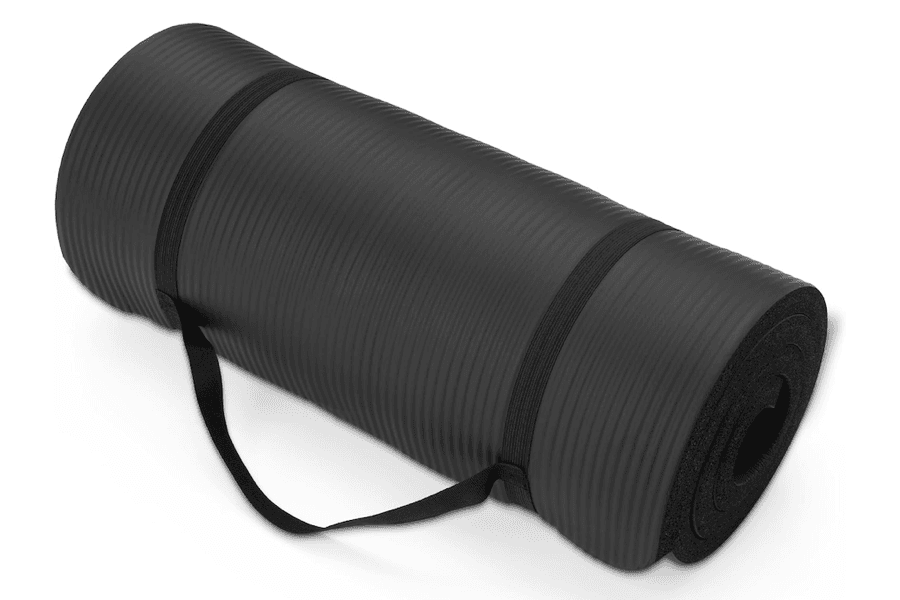
One of these is a precision surface for sweating on; the other is thick padding for a hard floor. The GRP Adapt 2.0 Long brings 79 inches of firm rubber and an absorbent top that grips wet palms bare-handed. The Amazon Basics 1 inch brings 25 mm of the softest foam in the aisle. A hundred dollars apart and aimed at different rooms of the house, they're only rivals in a search results page.
As an Amazon Associate, we earn from qualifying purchases made through links on this page. How this works
The quick answer
For yoga of any active kind, only the 2.0 Long qualifies, and for heated yoga it's among the best tools money buys: stable, wide at 26", long enough for the tallest practitioners, and grippier the sweatier things get. The inch of foam can't hold a standing pose in a cold room, let alone a hot one, and asking it to is how its seams tear early.
For the horizontal side of fitness, stretching, physical therapy movements, core work, the foam is the better product at a fraction of the price, and the 2.0 Long's talents are wasted lying down. This is a two-question page: do you practice hot yoga, and are you shopping for padding? Different answers, different mats, no overlap.
Get the GRP Adapt 2.0 Long if...
- Heated or sweaty practice is your routine
- You're tall and want 79" × 26" of mat
- You want a stable base for standing poses
- You'll follow the air-dry, gentle-clean routine
Get the Amazon Basics if...
- Maximum floor cushioning is the actual goal
- Your routine is stretching, PT, or core work
- You're spending about $38, not $138
- You want the strap and easy portability
Side by side
Price
The Amazon Basics lists for about $100 less.
$138
List price · check price at manduka.com
$38.40
List price · check price at Amazon
Thickness
The Amazon Basics is 408% thicker.
5 mm0.2″
25.4 mm1″
Weight
The Amazon Basics is 1.9 lbs lighter.
6.5 lbs2.9 kg
4.6 lbs2.1 kg
Size
The GRP 2.0 Long is 5″ longer; the GRP 2.0 Long is 2″ wider.
Same on both
- Both notably long for their categories
- Usable for gentle stretching
Full specs
Dimensions
Materials & build
A hundred dollars and zero overlap
One of these grips sweating palms through a 95 degree vinyasa class; the other cushions a spine against a concrete floor. The GRP Adapt 2.0 Long is Manduka’s hot yoga flagship stretched to 79″ for tall practitioners, $138 of rubber and absorbent polyurethane. The Amazon Basics 1 inch is 25 mm of the plushest budget foam Amazon ships, about $38 with a strap. Neither can audition for the other’s role, which makes this less a comparison than a fork in the road.
Anything active belongs to the Manduka
Yoga with standing poses needs firm footing, and hot yoga adds wet grip to the bill; the 2.0 Long supplies both, with a 26″ width and a surface whose traction improves as class sweats up. An inch of soft foam supplies neither: feet sink and roll, planks bury wrists, and moisture turns the top slick. The foam’s listing says yoga; the material is a cushion, and no price difference changes what it’s made of.
Anything horizontal belongs to the foam
Stretching routines, physical therapy work, sit-up circuits, and every other floor-bound part of fitness genuinely prosper on 25 mm of soft NBR, and the 74″ length fits tall bodies lying down. The 2.0 Long’s firm 5 mm is merely adequate padding, and using a $138 sweat specialist as a stretching pad both overpays and underdelivers. At about $38, the foam owns this half of the page without argument.
Weight, bulk, and handling
Neither travels light, for opposite reasons. The 2.0 Long is 6.5 dense pounds that roll slim but carry like gym iron; the foam is 4.6 pounds that roll into a strap-dependent barrel. Storage favors the Manduka, drying space favors no one; remember the 2.0 Long needs to lie out fully dry after wet classes before rolling. Both suit a practice with a home base more than a commuting life.
Care, cautions, and lifespan
The foam is disposable convenience: no care beyond airing out its initial rubbery smell, a 1 year warranty, and a realistic year or two under steady use before compression and tears retire it. The 2.0 Long is durable commitment: gentle regular cleaning, no harsh products, hot cars, or long sun, natural rubber that latex-allergic practitioners must avoid, and only 30 day returns behind a build that lasts years when respected. Choose the relationship you actually want with an object.
Price and value
List prices are $138 and about $38.40. Check the current price on the GRP Adapt 2.0 Long at manduka.com and the Amazon Basics 1 inch at Amazon. If you’re here for a tall dry-practice mat rather than either of these, the $26 Amazon Basics TPE at 73.6″ is the budget answer this page keeps pointing toward.
Each mat is fairly priced for its own job and absurdly priced for the other’s. That’s the entire value analysis, and it’s stable no matter which way Amazon’s pricing drifts.
Bottom line
Tall and practicing hot yoga: the GRP Adapt 2.0 Long, full stop. It’s one of the very few mats made for exactly that combination.
Shopping for floor comfort: the Amazon Basics 1 inch, happily. And if your real need is a long, firm, affordable mat for dry practice, neither of these is it; shop the middle instead.
Manduka GRP Adapt 2.0 Long
List price $138
Amazon Basics 1 Inch Extra Thick
List price $38.40
Frequently Asked Questions
- Is there any yoga the Amazon Basics 1 inch does well?
- Restorative and fully floor-based practice, where its plushness is an asset and stability never gets tested. Anything standing is compromised: an inch of soft foam sinks unevenly under feet and swallows wrists in planks. If that's most of your practice, no price difference makes the foam the right buy.
- Does the 2.0 Long make sense outside hot yoga?
- Occasionally: heavy sweaters in unheated rooms buy GRP mats for the same wet-grip reason. Otherwise its premium is hard to justify; a dry practice uses none of the absorbent top's talent while inheriting all of its care requirements. Manduka's own catalog serves dry practices better for less money.
- Which is more comfortable for knees and floor work?
- The foam, by a wide margin; that's its entire design. The 2.0 Long's 5 mm is firm support, good for stability and adequate for kneeling, but nobody would call it plush. Practitioners with sensitive knees on the 2.0 Long typically fold a towel under the joint for the few poses that need it.
- How do weight and handling compare?
- The 2.0 Long is 6.5 pounds of dense rubber that rolls slim but carries heavy; the foam is 4.6 pounds that rolls into a bulky, light cylinder with a strap. Neither is the easy commuter of its category, and both mostly suit a practice or workout with a fixed home.
- What are each mat's failure modes?
- The foam flattens where it's kneeled on and can tear at stress points inside a year or two of hard use; its 1 year warranty matches. The 2.0 Long's polyurethane top gradually wears under years of heavy sweaty practice, faster if it's rolled damp or cleaned harshly, and coverage is 30 day returns. Cared for properly, the Manduka is the far longer-lived purchase.
- Can I put a firm mat on top of the foam for the best of both?
- For floor-heavy restorative setups, layering works and some home practitioners do it. For standing practice it doesn't; the stack stays only as stable as the foam underneath. And layering anything on the 2.0 Long defeats its absorbent surface entirely. Pick the right single surface for the session instead.
Related comparisons
- Amazon Basics 1 Inch Extra Thick vs Retrospec Solana 1"
- Manduka GRP Adapt 2.0 Long vs Hugger Mugger Para Rubber 5mm
- Manduka GRP Adapt 2.0 Long vs Yoga Design Lab Infinity 5mm
- Manduka GRP Adapt 2.0 Long vs Lululemon The (Big) Mat 5mm
- JadeYoga Harmony XW vs Manduka GRP Adapt 2.0 Long
- Manduka GRP Adapt 2.0 Long vs Alo Warrior
- Manduka GRP Adapt 2.0 Long vs b, halfmoon B Mat Strong 6mm
- Lululemon The Mat 5mm vs Manduka GRP Adapt 2.0 Long
- Manduka GRP Adapt 2.0 Long vs Yoloha Unity Pro Cork