Manduka eKO Lite vs GRP Adapt 1.0: Which One Should You Buy?
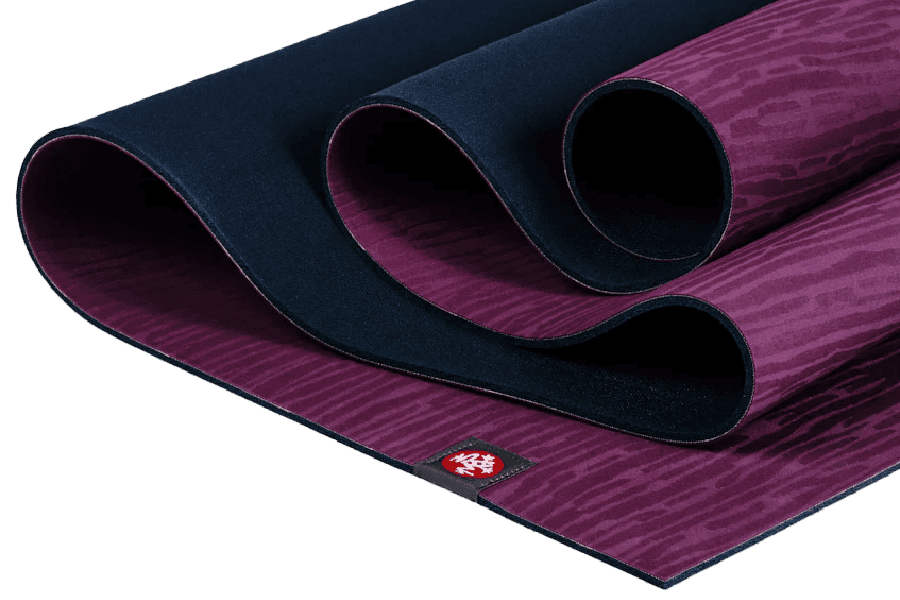
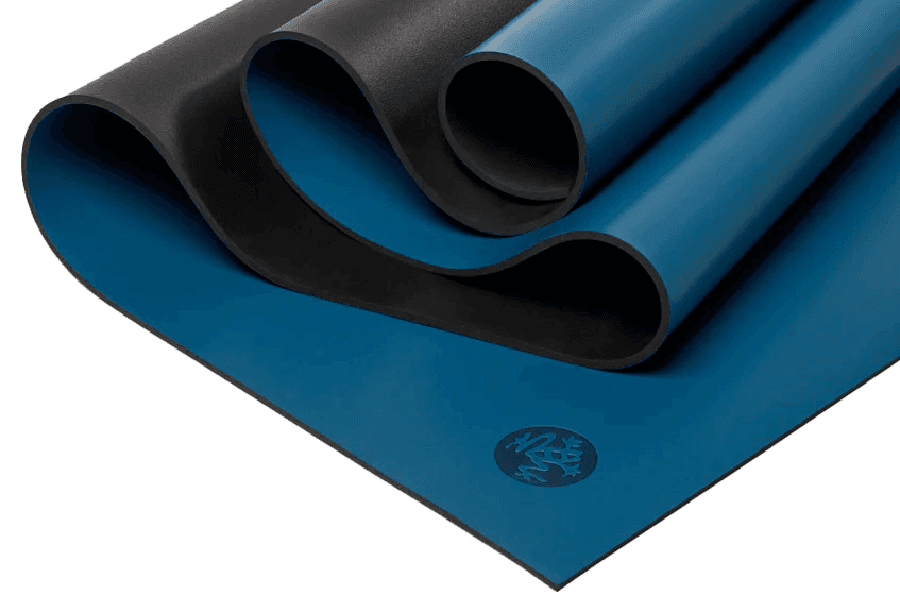
These similarly priced Mandukas take opposite approaches to moisture. The current eKO Lite is 4 mm of textured closed-cell rubber at 5 pounds. The discontinued GRP Adapt 1.0 is 5 mm with an absorbent polyurethane top at 5.8 pounds. Remaining GRP stock can still make sense for hot yoga, but generation labels matter.
As an Amazon Associate, we earn from qualifying purchases made through links on this page. How this works
The quick answer
The eKO Lite is the safer general-purpose purchase. It is a current model, lighter to carry, easier to clean, and its textured rubber grips immediately in an unheated room.
Choose the GRP Adapt 1.0 only if you need an absorbent hot-yoga surface and the runout listing is compelling. It handles sweat better and adds width and cushioning, but Manduka has replaced it with the redesigned 2.0.
Get the eKO Lite if...
- Your practice is mostly unheated
- You prefer textured natural rubber
- You want lower-maintenance ownership
- You want a current Manduka model
Get the GRP Adapt 1.0 if...
- You need absorbent grip for hot yoga
- You want 26 inches of width
- Five millimeters suits your joints
- You are comfortable buying runout stock
Side by side
Price
The GRP Adapt 1.0 lists for $2 less.
$96
List price · check price at Amazon
$94
List price · check price at Amazon
Thickness
The GRP Adapt 1.0 is 25% thicker.
4 mm0.16″
5 mm0.2″
Weight
The eKO Lite is 0.8 lbs lighter.
5 lbs2.2 kg
5.8 lbs2.6 kg
Size
Same length; the GRP Adapt 1.0 is 2″ wider.
Same on both
- Seventy-one inches long
- Natural rubber in the construction
- Grip without a break-in period
- Available through Amazon
- No long-term warranty
- Not appropriate for latex sensitivity
Full specs
Dimensions
Materials & build
Buying
A current dry-grip mat against a runout hot mat
The eKO Lite remains a current Manduka model: 4 mm of textured closed-cell rubber, 71 by 24 inches, and 5 pounds. The GRP Adapt 1.0 is the discontinued previous generation of Manduka’s hot-yoga mat. Remaining Amazon stock measures 71 by 26 inches, 5 mm, and 5.8 pounds.
Their list prices are only $2 apart. The meaningful choice is dry rubber simplicity against an absorbent polyurethane surface made for sweat, plus the risk of buying a model Manduka has already replaced.
Dry grip and wet grip point in opposite directions
The eKO Lite’s rippled rubber feels tacky immediately and gives clear feedback in an unheated room. No coating or break-in stands between your hand and the rubber. The GRP’s smoother polyurethane top feels less textured, though it still provides dependable traction before perspiration begins.
Once sweat reaches the mat, the eKO keeps it on the surface and eventually becomes slippery. The GRP absorbs moisture and maintains a more usable contact area. Hot yoga and heavy perspiration favor the GRP; ordinary dry practice favors the simpler eKO feel.
The 1.0 label matters
Manduka replaced this GRP with the 2.0, which uses a redesigned Satin Grip surface, faster absorption, a Spain-made build with recycled content, and current brand support. Reviews or awards for the 2.0 do not transfer backward to the older mat merely because both say GRP Adapt.
The 1.0 can still be a sensible discounted purchase, but check the exact Amazon listing and return terms. If you want the current product, read our eKO Lite vs GRP Adapt 2.0 comparison instead. The current mat costs more, yet it removes the uncertainty around aging inventory and gives you the version Manduka is actively describing, stocking, and supporting.
The GRP adds width and firmer support
Five millimeters and a 26-inch width make the GRP the roomier, better-protected platform. The extra millimeter helps in kneeling poses, while the rubber core remains firm enough for standing balance. Broad shoulders also benefit from the two additional inches across the mat.
The eKO Lite’s 4 mm body is still a real daily mat rather than a travel layer. It feels a little more direct underfoot and handles wood studio floors well. Sensitive knees on concrete should prefer the GRP, assuming its moisture performance and care routine also fit the practice.
The Lite is easier to live with between classes
Five pounds against 5.8 is not a dramatic gap, but the eKO Lite also rolls to 24 inches across instead of 26. It fits common straps, lockers, and crowded transit more neatly. Both are reasonable daily carries, unlike Manduka’s heavier PRO and full eKO models.
The GRP’s additional weight buys useful width and thickness rather than dead bulk. A hot-yoga practitioner will gladly carry it for the wet grip. A dry-practice commuter gets little return from that extra material and will find the Lite more convenient.
The absorbent surface needs more attention
Closed-cell eKO rubber wipes clean and dries relatively quickly. Keep it out of direct sun and away from harsh cleaners. The GRP absorbs sweat, so it needs thorough air drying before it is rolled. Trapped moisture and residue from lotions or oils can shorten the useful life of the polyurethane face.
Neither mat has a long-term warranty. That is easier to accept on a current eKO than discontinued GRP inventory whose storage history is unknown. Inspect runout stock promptly, use the return window if the surface arrives damaged, and avoid assuming Manduka will replace it years later. Absorbent surfaces are especially worth checking for peeling, uneven texture, or signs that heat affected the adhesive while the mat sat in storage.
Natural rubber is present in both
The eKO Lite is a natural-rubber mat made in Taiwan with recycled content and no PVC. The GRP combines polyurethane with a natural rubber base. Neither is suitable for a true latex sensitivity, even though their top surfaces feel very different.
Shoppers who want the simplest material stack should choose the eKO. The GRP’s synthetic face is justified by sweat management, not by a broader environmental claim. If heated practice is absent, its extra complexity mostly creates cleaning work.
Two dollars should not decide this page
The eKO Lite lists for $96 and the GRP Adapt 1.0 for $94. Both currently point to Amazon, so compare the eKO Lite listing with the GRP Adapt 1.0 listing and confirm the seller and exact generation.
Marketplace prices can make the discontinued GRP look attractive, but a small discount is poor compensation if you do not need wet grip. Buy the performance profile, not the markdown. The eKO remains the safer general-purpose purchase at nearly the same list price.
Bottom line
Buy the eKO Lite for normal-temperature practice, lower upkeep, and a current product line. It is lighter, simpler, and more pleasant to own when sweat is not defeating your grip.
Buy the GRP Adapt 1.0 only when you want an absorbent hot-yoga surface and the remaining stock is meaningfully discounted. If you practice heated yoga often and want the best Manduka currently offers, spend more on the GRP Adapt 2.0 instead.
Frequently Asked Questions
- Is the GRP Adapt 1.0 discontinued?
- Yes. Manduka replaced it with the GRP Adapt 2.0 and no longer sells the 1.0 on its own site. Remaining Amazon inventory is runout stock, so confirm the exact generation, seller, condition, and return policy before ordering.
- Which mat is better for hot yoga?
- The GRP Adapt 1.0. Its open-cell polyurethane surface absorbs moisture, while the eKO Lite's closed-cell rubber leaves sweat on top. The current GRP Adapt 2.0 is the stronger choice if budget allows.
- Which mat has better dry grip?
- Both work well dry, but the eKO Lite feels more tactile and tacky because hands contact textured natural rubber directly. The GRP surface is smoother and is bought primarily for what happens after perspiration begins.
- Which mat is more comfortable?
- The GRP Adapt 1.0 is one millimeter thicker and two inches wider, giving it more room and protection. The eKO Lite is still a capable 4 mm daily mat and feels slightly more direct during standing balance.
- How does GRP Adapt 1.0 differ from 2.0?
- The 2.0 has a redesigned Satin Grip surface and interior for faster moisture absorption, is made in Spain with recycled content, and is Manduka's current supported model. Reviews and GearLab's hot-yoga award for the 2.0 should not be applied to the older 1.0.
- Which mat is easier to maintain?
- The eKO Lite. Sweat stays outside its closed-cell rubber and wipes away. The GRP absorbs moisture and needs thorough air drying before rolling, while oils and unsuitable cleaners can mark or interfere with its polyurethane surface.
Related comparisons
- Manduka GRP Adapt 1.0 vs Suga SugaMat
- JadeYoga Harmony 68" vs Manduka eKO Lite
- Manduka eKO Lite vs Suga SugaMat
- JadeYoga Harmony 68" vs Manduka GRP Adapt 1.0
- Manduka eKO Lite vs Lululemon The Mat 3mm
- JadeYoga Harmony 74" vs Manduka GRP Adapt 1.0
- Manduka eKO Lite vs JadeYoga Harmony 2.0 68"
- JadeYoga Harmony 74" vs Manduka eKO Lite
- Manduka GRP Adapt 1.0 vs Gaiam Performance Dry-Grip Long & Wide