Jade Harmony vs Amazon Basics 1 Inch Extra Thick: Which One Should You Buy?
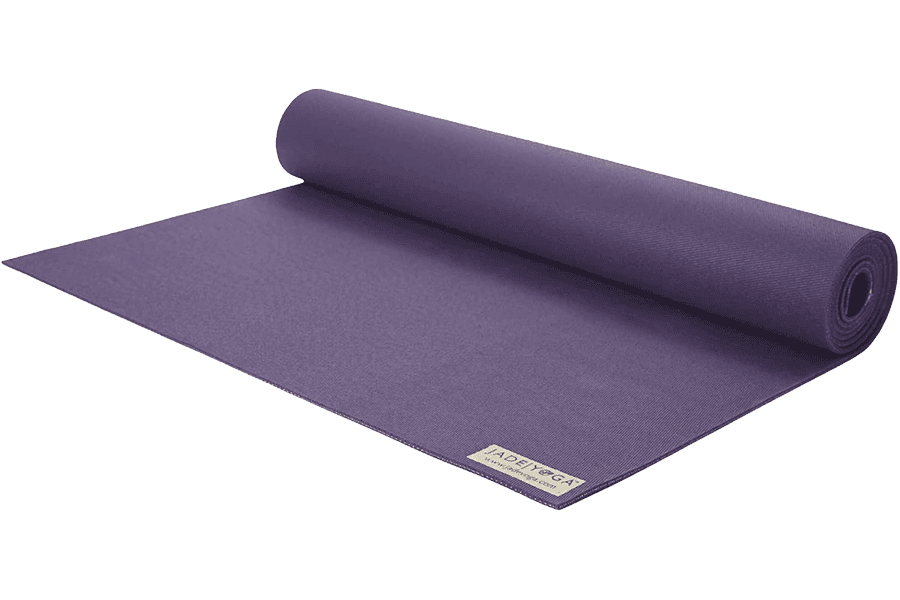
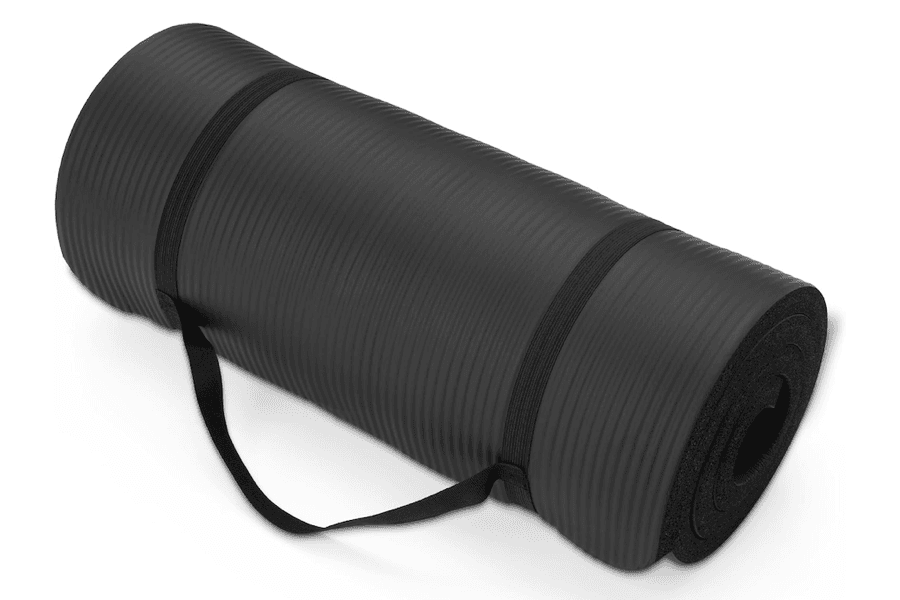
The word "mat" is doing heavy lifting in this comparison. The Jade Harmony is a yoga mat in the strict sense: 4.8 mm of firm, tacky rubber engineered so hands and feet stay put through poses, at $99.95. The Amazon Basics 1 Inch Extra Thick is an exercise pad: a full inch of soft NBR foam for $38.40, built to make lying and kneeling on floors pleasant. Both are 24" wide and sold a click apart, and they are aimed at almost perfectly non-overlapping activities.
As an Amazon Associate, we earn from qualifying purchases made through links on this page. How this works
The quick answer
For yoga as a practice of standing, balancing, and holding poses, the foam pad mostly disqualifies itself: an inch of squish swallows a Warrior II, wobbles a tree pose, and lets planted hands sink mid-vinyasa. The Harmony exists for exactly those demands, with grip owners and testers have endorsed for two decades. For floor-based everything else, stretching, physio exercises, sit-ups, resting a bad back, the foam is genuinely the more comfortable product, and $61.55 cheaper.
So the question isn't which is better; it's which activity you're buying for. Yoga: the Harmony, full stop. Floor exercise and stretching comfort: the Basics, and keep the change.
Get the Harmony if...
- Yoga is the actual activity, poses and flows
- You want grip that holds under hands and feet
- You want a firm, stable base for balance work
- A mat that lasts years of practice matters
Get the Amazon Basics if...
- Floor exercises and stretching are the real use
- Knees, hips, or spine want maximum padding
- You practice gentle, seated, or restorative styles only
- You'd rather keep about $62
Side by side
Price
The Amazon Basics lists for about $62 less.
$99.95
List price · check price at Amazon
$38.40
List price · check price at Amazon
Thickness
The Amazon Basics is 429% thicker.
4.8 mm0.19″
25.4 mm1″
Weight
The Amazon Basics is 0.2 lbs lighter.
4.8 lbs2.2 kg
4.6 lbs2.1 kg
Size
The Amazon Basics is 6″ longer; same width.
Same on both
- Same 24" width
- 1 year warranties at both price points
- Sold on Amazon at first-party prices
Full specs
Dimensions
Materials & build
Buying
Two products wearing one word
Search results file both of these under yoga, and only one belongs there. The Jade Harmony is a yoga mat by trade: 4.8 mm of firm, tacky rubber built so hands and feet stay planted through poses, $99.95. The Amazon Basics 1 Inch Extra Thick is a floor pad: 25 mm of soft NBR foam whose entire mission is making hard floors comfortable, about $38.40 with a strap. The price gap looks like a budget question; it’s actually a category boundary.
Standing poses: the inch works against you
Yoga’s standing vocabulary assumes firm ground. On the Harmony, a Warrior II plants and a tree pose balances; the mat pushes back. On a full inch of soft foam, feet sink and tilt, ankles work overtime, and planted hands squish sideways mid-vinyasa. This isn’t a quality gap between the two products; it’s the foam doing its actual job, softness, in a context that punishes it. The thicker the foam, the worse the trade, and this is Amazon’s thickest.
Floor work: the foam’s home game
Reverse the context and the ranking flips. For stretching routines, physical-therapy exercises, core work, and long spells of lying or kneeling on hard floors, an inch of cushioning is bliss the Harmony can’t offer; 4.8 mm of firm rubber never pretends to be a pillow. Gentle floor-based yoga styles, yin and restorative, sit right on the border and genuinely work on either surface. The further your practice leans standing, the harder the border tips toward the rubber.
Grip: a reputation versus no claim
The Harmony’s traction is its franchise: tacky open-cell rubber that holds from the first practice and keeps holding as palms dampen, credited by Wirecutter and two decades of owners. The foam pad’s textured surface makes no comparable promise and doesn’t need to; nobody slides out of a hamstring stretch. The moment your activity makes sliding hands a real risk, only one of these products is applying for the job.
Durability: two different wear stories
Both carry 1 year warranties, unusual at the foam’s price, and wear differently underneath the matching paper. The Harmony’s rubber serves years of regular practice with basic care, shade and gentle cleaners, before surface wear arrives. Soft NBR foam compresses permanently where knees and elbows concentrate load, often within a year or two of frequent use, and casual use stretches it. Neither outcome should surprise at the respective prices.
The middle ground both mats point at
Shoppers weighing these two are often really asking for a third thing: a cheap mat that still does yoga. That product exists; firm 6 mm TPE mats around $20 to $30, including Amazon’s own 1/4 inch TPE mat, hold standing poses respectably at a third of the Harmony’s price. Amazon’s 1/2 inch foam splits the padding difference for floor-work buyers. The 1-inch pad and the Harmony are the poles; most budget shoppers belong between them.
Price and value
List prices are $99.95 for the Harmony and about $38.40 for the Amazon Basics, which moves with Amazon’s pricing. Check current prices on the Harmony and the Basics 1 Inch.
Valued inside their own categories, both price fairly: the Harmony against premium yoga mats, the foam against exercise pads, where its dollars-per-comfort ratio is excellent. Valued across categories the comparison collapses, because $62 saved on a pad that can’t hold a standing pose isn’t savings if standing poses were the point.
Bottom line
For yoga, the Harmony, categorically: it’s the working tool, and its grip and firmness are what the practice assumes exists underfoot. Its real rivals are other yoga mats, not this pad.
For comfortable floor exercise, the Basics 1 Inch, categorically: more padding per dollar than almost anything sold, strap included. Buy whichever matches the activity you’ll actually do this month, and neither purchase will disappoint; swap their jobs and both will.
Jade Harmony
List price $99.95
Amazon Basics 1 Inch Extra Thick
List price $38.40
Frequently Asked Questions
- Can you do yoga on a 1 inch thick foam mat?
- Gentle, floor-based styles, yes: restorative, yin, and stretching routines work fine and feel great. Standing yoga, no: the foam compresses unevenly underfoot, balance poses wobble, and hands sink in downward dog. If your practice involves flowing between standing poses, the foam actively works against you, which is why yoga mats top out around 8 mm.
- Is the Harmony worth $62 more than the Basics?
- For yoga, the comparison is between a working tool and the wrong tool, so yes by default. The fairer question is against other yoga mats: the Harmony's $99.95 buys US-made rubber, absorbed-sweat grip, and a 1 year warranty that budget yoga mats in the $20 to $40 range don't match, though those cheaper true yoga mats, not this foam pad, are the Harmony's real budget competition.
- What is the Amazon Basics 1 Inch actually good at?
- Comfort on hard floors. An inch of soft NBR foam makes kneeling planks, sit-ups, physical therapy routines, and lying stretches genuinely pleasant, and it rolls up with a carry strap at 4.6 pounds. As padding-per-dollar it's excellent. It simply belongs in the exercise-mat aisle, not the yoga one.
- How do grip and sweat compare?
- The Harmony's tacky open-cell rubber grips from first use and absorbs damp-palm sweat, a trait Wirecutter has credited. The foam pad's textured surface is fine for shoes-off floor work but makes no serious traction claims, and sweat sits on it. For anything where sliding hands are a safety issue, the rubber mat is the only candidate.
- Which lasts longer?
- Both carry 1 year warranties, but the wear stories differ. The Harmony's rubber serves years of regular yoga with basic care, shade and gentle cleaners. Soft NBR foam compresses permanently where knees and heels concentrate weight, usually within a year or two of frequent use. Casual use stretches both considerably.
- Is there a middle option between these two?
- Yes, and it's often the right call for beginners: firm 6 mm TPE mats in the $20 to $30 range, like Amazon's own 1/4 inch TPE mat, hold standing poses far better than thick foam while costing a third of the Harmony. Thick foam solves comfort, thin rubber solves yoga; the budget TPE middle splits the difference for people still deciding.
Related comparisons
- JadeYoga Harmony 68" vs Suga SugaMat
- Amazon Basics 1 Inch Extra Thick vs Retrospec Solana 1"
- JadeYoga Harmony 68" vs Manduka PRO Lite Terra 4.7mm
- JadeYoga Harmony 68" vs Manduka eKO Lite
- Manduka PROlite vs JadeYoga Harmony 68"
- JadeYoga Harmony 68" vs Manduka GRP Adapt 1.0
- JadeYoga Harmony 68" vs Manduka eKO Lite Long
- JadeYoga Harmony 68" vs Manduka GRP Adapt Lite 2.1 4mm
- JadeYoga Harmony 68" vs Lululemon The Mat 5mm