Manduka GRP Adapt 1.0 vs Amazon Basics 1/2 Inch: Which One Should You Buy?
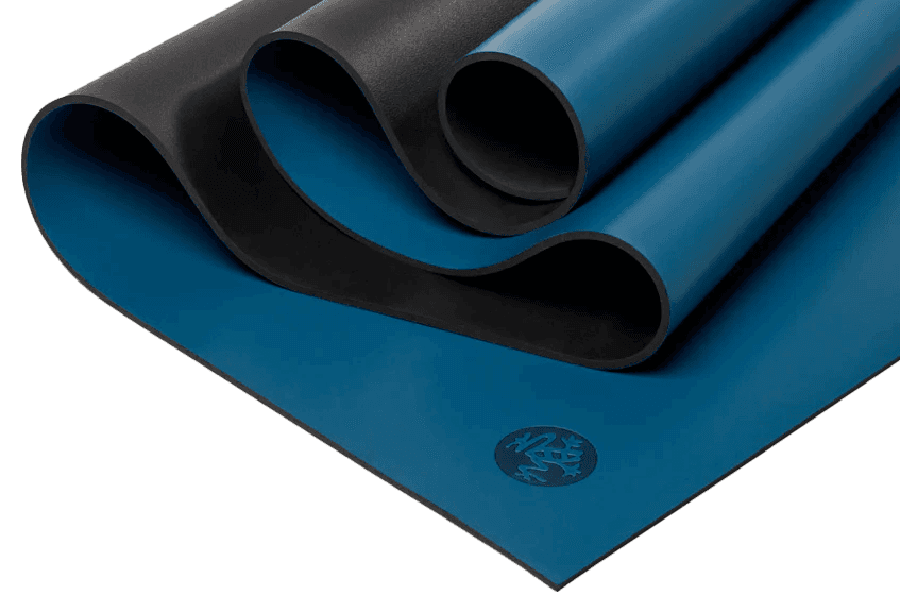
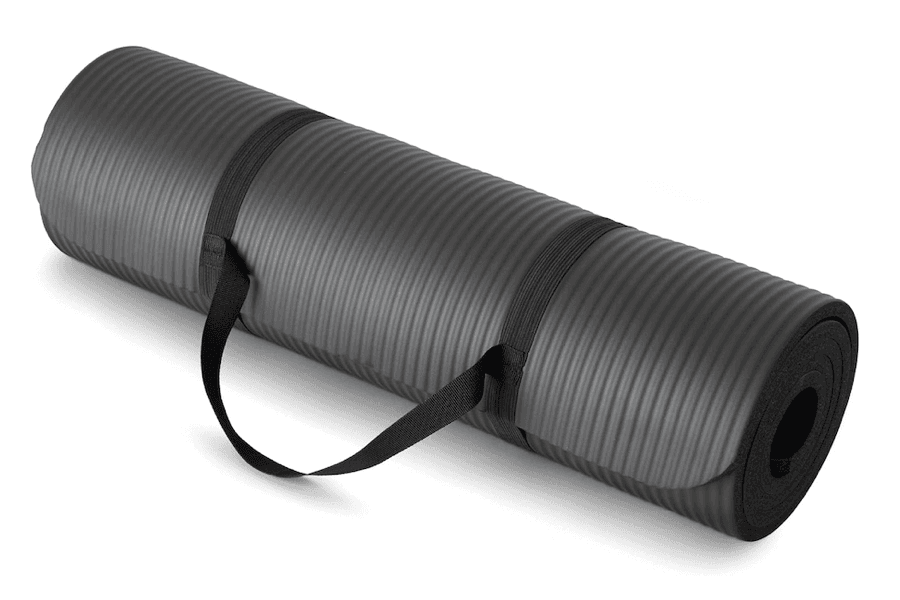
A hot yoga mat and a foam exercise pad meet in the same search results and almost nowhere else. The GRP Adapt 1.0 is Manduka's original absorbent-top mat, $94 of wet-grip engineering for heated practice. The Amazon Basics 1/2 inch is $22 of soft NBR whose calling is making floors comfortable, not holding poses. If you're genuinely torn between them, what you need first is a clearer picture of your own week, and that's what this page is for.
As an Amazon Associate, we earn from qualifying purchases made through links on this page. How this works
The quick answer
Sweaty, heated, or vigorous yoga: the 1.0, and nothing about the foam pad is negotiable there. Soft half-inch foam wobbles under standing feet in the best conditions, and a heated room adds a slick surface to the sinking. The 1.0 holds poses on a firm rubber base and holds palms through sweat that defeats ordinary mats, at what is currently the lowest price in Manduka's absorbent line.
Floor exercise, stretching, physical therapy movements: the foam, and by the same landslide. It's plusher than anything in the yoga aisle, costs less than a quarter as much, and its instability never matters to a body lying down. There is no split-the-difference buyer here; there's just the question of which activity is actually yours.
Get the GRP Adapt 1.0 if...
- Hot or sweaty yoga is your regular practice
- You want wet grip without a towel system
- You need a firm, stable base for standing work
- You'll follow the air-dry care routine
Get the Amazon Basics if...
- You want soft padding for floor exercise or PT
- Comfort on hard floors is the entire goal
- You're spending about $22, not $94
- You want a light 2.2 pound roll with a strap
Side by side
Price
The Amazon Basics lists for about $72 less.
$94
List price · check price at Amazon
$22.48
List price · check price at Amazon
Thickness
The Amazon Basics is 154% thicker.
5 mm0.2″
12.7 mm0.5″
Weight
The Amazon Basics is 3.6 lbs lighter.
5.8 lbs2.6 kg
2.2 lbs1 kg
Size
The Amazon Basics is 3″ longer; the GRP Adapt 1.0 is 2″ wider.
Same on both
- Usable for gentle stretching and floor work
- Both roll up for storage
Full specs
Dimensions
Materials & build
Buying
First, name your actual problem
People arrive at this pairing from a search box, not a shortlist, because no practice needs both of these. The GRP Adapt 1.0 solves slipping: $94 of absorbent polyurethane and rubber that keeps palms planted through heated classes. The Amazon Basics 1/2 inch solves hardness: about $22 of soft NBR foam between a body and an unkind floor. Name which problem is yours and one of these mats exits immediately.
Anything standing: the GRP, alone
Yoga that involves being upright disqualifies the foam on contact. Half an inch of softness under a standing foot means sinking, wobbling, and ankles doing the floor’s job; sweat then adds slipperiness to the instability. The 1.0’s firm rubber base holds poses level, its 26″ width gives wide stances room, and its top layer turns sweat from a hazard into extra traction. If a single standing pose features in your plans, this page has one candidate.
Anything lying down: the foam, easily
Stretching, physical therapy movements, core circuits, and every other floor-level pursuit prosper on cheap plushness. The foam is 74″ long, 2.2 pounds, ships with a strap, and makes tile feel like a training room for about $22. Lying down, the 1.0 is just a firm, clean surface, and nothing about its price shows up. Nobody needs absorbent grip technology under a hamstring stretch.
Ownership, briefly
The foam’s ownership manual is one line: air out the initial rubbery smell, replace it when it flattens or tears, typically a year or two of steady use against its 1 year warranty. The 1.0’s manual is longer: air-dry fully before rolling, clean gently and often, avoid harsh cleaners, hot cars, and long sun, and skip it altogether with a latex allergy. Its reward is years of service; its coverage is 30 day returns.
If you’re actually between them
A shopper genuinely torn here usually wants neither extreme: they want an affordable, firm, general-purpose yoga mat. That’s the Amazon Basics 1/4 inch TPE at about $26 for budget dry practice, or a mid-range closed-cell mat with more durability. The 1.0 is for when sweat is routine; the foam is for when the workout never stands up. The middle of the market exists precisely for everyone else.
Price and value
List prices are $94 and about $22.48. Check current prices on the GRP Adapt 1.0 and the Amazon Basics 1/2 inch, both on Amazon at last check.
Across a $72 gap and two unrelated jobs, value talk reduces to one warning: the miscast purchase costs its full price. Foam bought for hot yoga fails in a class; a GRP bought for stretching spends its life on a job a $22 pad does better. Matched to their jobs, both are fair deals, the foam almost absurdly so.
Bottom line
Heated or sweaty yoga: the GRP Adapt 1.0, currently the cheapest absorbent-top mat Manduka sells, and a bargain against its own successor.
Floor comfort for exercise and recovery: the Amazon Basics, and pocket the $72. And if neither sentence described you, take the hint and shop the firm middle instead.
Amazon Basics 1/2 Inch Extra Thick
List price $22.48
Frequently Asked Questions
- Why do these two mats keep appearing in the same searches?
- Retail categories lump every large rubbery rectangle under yoga, so a $22 exercise pad and a $94 hot yoga specialist end up neighbors. Their actual jobs don't touch: the foam pads a floor for horizontal exercise, the GRP grips wet palms in heated classes. Deciding between them is really deciding what you do with your body, which is the easier question.
- Could the foam pad work for hot yoga on a budget?
- It's the single worst tool for that job in our catalog. Its softness destabilizes standing poses and its non-absorbent surface gets slippery with sweat, failing both requirements of a heated class at once. A budget hot yoga setup is a firm closed-cell mat plus a grippy towel; the foam pad isn't even that.
- Is the 1.0 wasted on someone who mostly stretches?
- Completely. You'd pay four times the foam's price for wet-grip technology a stretching routine never touches, inherit a care routine, and still have a firmer, less comfortable surface for lying on. This is the rare case where the $22 product is strictly better for the job than the $94 one.
- How do their formats compare?
- The foam is longer and lighter: 74" × 24" at 2.2 pounds with a carry strap. The 1.0 is shorter but wider: 71" × 26" at a dense 5.8 pounds. Width is the dimension a yoga practice feels, and length plus lightness is what a gym commuter wants; each mat's shape matches its job.
- What upkeep does each require?
- The foam needs nothing beyond airing out its initial rubbery smell, and it retires early, typically flattening or tearing within a year or two of steady use against its 1 year warranty. The 1.0 asks for real habits, air-dry before rolling, gentle regular cleaning, no harsh products or hot cars, and its rubber body excludes latex-allergic users, with 30 day returns as the only coverage.
- What if I want one affordable mat for general yoga?
- Then skip both and shop the firm middle: Amazon's own 1/4 inch TPE at about $26 is the budget benchmark for dry practice, and mid-priced closed-cell mats cover everything short of heavy sweat. The pad and the 1.0 are specialists at opposite ends; general practice lives between them.
Related comparisons
- Amazon Basics 1/2 Inch Extra Thick vs Retrospec Solana 1/2"
- Manduka GRP Adapt 1.0 vs Suga SugaMat
- JadeYoga Harmony 68" vs Manduka GRP Adapt 1.0
- JadeYoga Harmony 74" vs Manduka GRP Adapt 1.0
- Manduka GRP Adapt 1.0 vs Gaiam Performance Dry-Grip Long & Wide
- Manduka GRP Adapt 1.0 vs JadeYoga Harmony 2.0 68"
- Manduka GRP Adapt 1.0 vs 42 Birds The Robin
- Lululemon The Mat 5mm vs Manduka GRP Adapt 1.0
- Manduka GRP Adapt 1.0 vs Hugger Mugger Earth Elements 5mm