Jade Harmony 74" vs Amazon Basics 1 Inch Extra Thick: Which One Should You Buy?
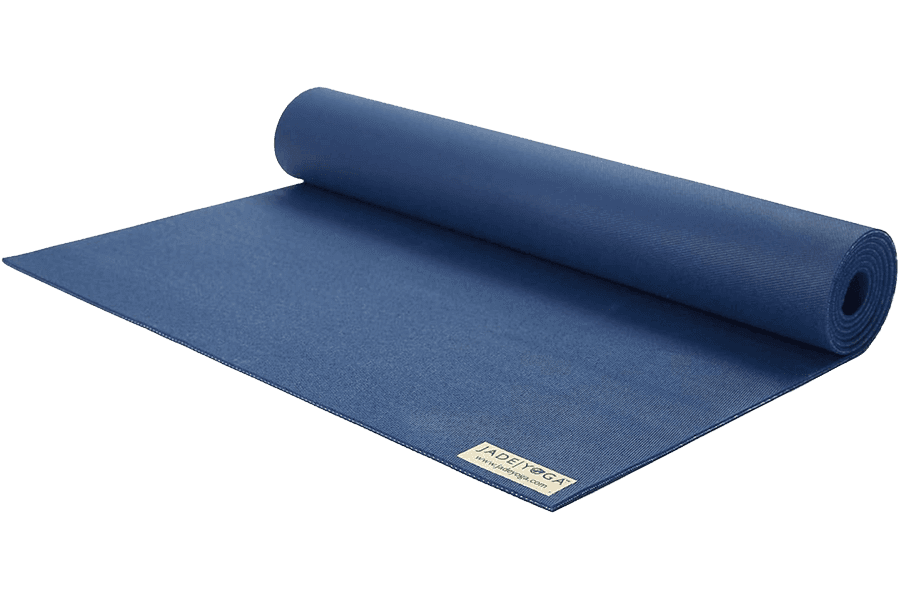
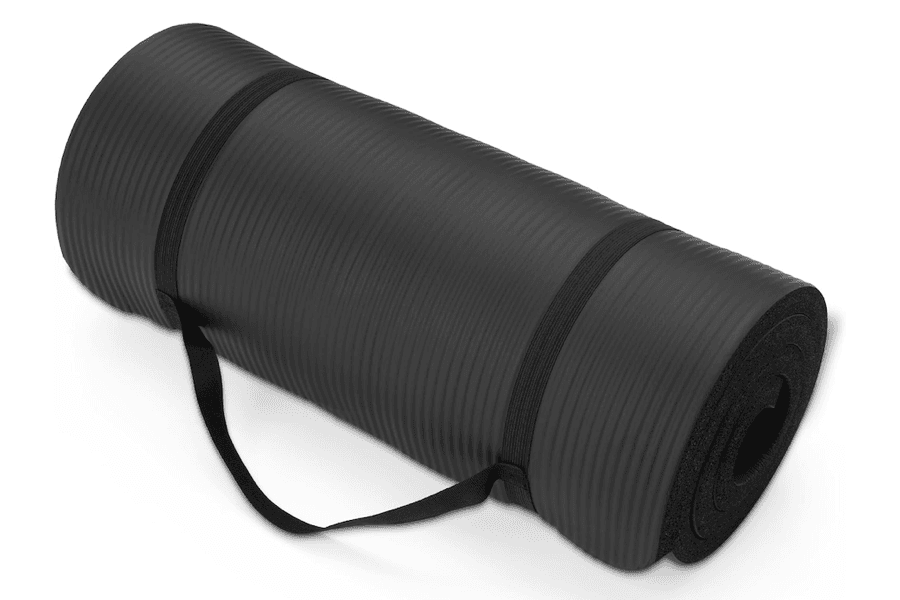
Search results treat these as rivals because both are 74" × 24" and both say mat on the label. The Jade Harmony 74 is 4.8 mm of firm natural rubber engineered so hands and feet stay put through a yoga practice, at $109.95. The Amazon Basics 1 Inch Extra Thick is a full inch of soft NBR foam engineered so floors stop hurting, at $38.40. An inch of foam and a purpose-built yoga surface solve problems so different that choosing is easier than it looks.
As an Amazon Associate, we earn from qualifying purchases made through links on this page. How this works
The quick answer
An inch of soft foam disqualifies itself from standing yoga: feet sink and tilt, balance poses fall over for reasons unrelated to skill, and planted hands drift mid-pose. The Harmony 74 exists precisely for that work, with rubber grip that holds damp palms and a firm base that keeps poses honest. Flip to floor work and the foam wins on comfort: kneeling, stretching, physio routines, and core sessions all feel better on 25 mm of padding than on any yoga mat made.
So the decision is the activity, not the products. Yoga means the Harmony 74, full stop. Floor exercise and stretching mean the Basics, which does that job well and leaves about $72 in your pocket.
Get the Harmony 74" if...
- The activity is yoga: poses, flows, balance work
- You want grip engineered for hands and feet
- Damp palms need a surface that keeps holding
- You want equipment that lasts years of practice
Get the Amazon Basics if...
- Floor exercises and stretching are the real use
- Knees, hips, or a sore back want maximum padding
- Your practice is gentle, seated, or restorative only
- You'd rather keep about $72
Side by side
Price
The Amazon Basics lists for about $72 less.
$109.95
List price · check price at Amazon
$38.40
List price · check price at Amazon
Thickness
The Amazon Basics is 429% thicker.
4.8 mm0.19″
25.4 mm1″
Weight
The Amazon Basics is 0.7 lbs lighter.
5.3 lbs2.4 kg
4.6 lbs2.1 kg
Size
Same length; same width.
Same on both
- Same 74" × 24" footprint
- 1 year warranties at both price points
- Sold on Amazon at first-party prices
Full specs
Dimensions
Materials & build
Buying
Five times the thickness, a different sport
On a spec sheet the Amazon Basics 1 Inch Extra Thick looks like more mat for less money: 25.4 mm thick against the Jade Harmony 74’s 4.8 mm, the same 74″ × 24″ footprint, at $38.40 against $109.95. In a practice room the extra thickness works against you. The Harmony is a yoga mat; the Basics is an exercise pad, and a full inch of soft NBR foam is the least yoga-compatible surface in this site’s entire catalog.
That makes this one of our easier comparisons to referee, as long as you’re clear on which activity the purchase is for.
Why yoga mats stay thin on purpose
Yoga mats top out around 8 mm for a mechanical reason: standing poses need the floor’s pushback. On the Harmony’s dense 4.8 mm, a planted foot stays level and a balance pose reflects your actual steadiness. On an inch of soft foam, the foot sinks and tilts as the foam compresses unevenly, hands drift in downward dog, and wobble gets manufactured by the surface itself.
Beginners sometimes buy thickness believing it’s kindness to their knees. For the standing half of a class it’s the opposite of help, and for the kneeling half a folded blanket on a firm mat solves what foam solves, without sacrificing the practice around it.
What the inch of foam is actually for
Off the yoga mat rack, the Basics is a respectable product. A full inch of soft foam makes floor exercise genuinely comfortable: sit-ups, physio routines, knee-down planks, stretching sessions, and lying work on tile or concrete all benefit, and the 74 inch length fits a full-body stretch. It rolls up with an included strap at 4.6 pounds.
Restorative and yin practices that never leave the floor are the one yoga-adjacent case where it serves, and for those it’s arguably the more comfortable choice than any conventional mat, the Harmony included.
Grip and sweat
The Harmony’s open-cell rubber grips bare skin from the first class and absorbs light sweat to keep gripping, the trait Wirecutter has noted in sweaty sessions and the reason studios standardized on it. The foam pad’s texture is fine under sneakers and static bodies but makes no real traction promise to a bare, damp hand, and sweat sitting on soft foam is a slide waiting to happen.
One material note: the Harmony is tapped tree rubber and unsuitable for latex allergies by Jade’s own guidance. The Basics’ NBR is synthetic, so allergy-constrained buyers can use it freely, just not for standing yoga.
Lifespan under real use
The Harmony earns its price partly on the calendar: its surface wears gradually over years of daily practice, CNN Underscored puts the gentle-care ceiling around a decade, and Jade backs the first year in writing. Soft NBR foam ages by flattening permanently under concentrated weight, and owner reviews describe compression and tearing inside a year or two of frequent workouts.
Both carry 1 year warranties, a coincidence of paperwork rather than of engineering. For light, occasional use either will last; under daily load only the rubber holds its shape.
The middle path most crossover shoppers want
Shoppers weighing these two are usually beginners optimizing for comfort and price at once. The product that actually serves that brief is a firm budget mat: Amazon’s 1/4 Inch TPE at about $26 stays stable for standing work and runs 73.6 inches, and Manduka’s Begin at $62 adds an alignment stripe that teaches. Either is a better first yoga purchase than thick foam, and either leaves room to grow toward a Harmony later.
Price and value
List prices are $109.95 for the Harmony 74 and $38.40 for the Basics 1 Inch, about $72 apart. Check current prices on the Harmony 74 and the Amazon Basics 1 Inch; both sell on Amazon at first-party prices.
Value here is entirely activity-dependent. As a yoga mat the Basics is worth close to nothing, whatever it costs; as an exercise pad it’s a fair $38.40. The Harmony holds its value only in the practice it was built for, which happens to be the one in its name.
Bottom line
For yoga, buy the Harmony 74 and don’t look for a foam shortcut; firmness is what makes a yoga mat work, and this one adds grip that survives sweat plus length that fits tall practitioners.
For floor exercise, stretching, and physical therapy comfort, buy the Basics and enjoy the $72 you kept. Two good products, two different jobs, and no version of this purchase where one substitutes for the other.
Jade Harmony 74"
List price $109.95
Amazon Basics 1 Inch Extra Thick
List price $38.40
Frequently Asked Questions
- Can you do yoga on an inch of foam?
- Floor-based styles, yes. Restorative, yin, and stretch-focused sessions work fine on it and feel luxurious to joints. Standing styles, no: the foam compresses unevenly underfoot, wobbles every balance pose, and swallows planted hands. There's a reason yoga mats top out around 8 mm; past that, thickness works against the practice instead of for it.
- What's the 1 inch pad genuinely good at?
- Making hard floors kind. Sit-ups, planks on knees, physical therapy routines, lying stretches, and general floor workouts all benefit from 25.4 mm of soft NBR foam, and at 74 inches it fits a full-body stretch. It rolls up with a strap at 4.6 pounds. Judged as an exercise pad, which is what it is, $38.40 is fair value.
- How do grip and sweat compare?
- The Harmony's tacky open-cell rubber grips bare hands and feet from the first practice and absorbs light sweat, which is the behavior that made it a studio standard. The foam pad's textured surface makes no real traction claims, and sweat sits on it. Anywhere sliding hands are a safety issue, the rubber mat is the only candidate on this page.
- Which holds up longer?
- The Harmony, in service terms. Its rubber wears gradually over years of practice with basic care. Soft NBR foam compresses permanently where weight concentrates, knees and heels first, typically within a year or two of frequent workouts, and owner reviews bear that out. The matching 1 year warranties on paper don't describe matching lifespans in practice.
- Is there a sensible option between $38 and $110?
- Yes: firm budget yoga mats around 6 mm, like Amazon's own 1/4 inch TPE at about $26 or Manduka's $62 Begin with its alignment stripe. Those hold standing poses properly while costing a fraction of the Harmony. The trap to avoid isn't spending less than $109.95; it's bringing soft exercise foam to a standing practice.
- Why would anyone pay $72 more for a thinner mat?
- Because thickness isn't the metric; stability and grip are. The Harmony's 4.8 mm of dense rubber supports joints while staying firm enough to balance on, and its surface holds damp hands. The pad's 25.4 mm feels plusher for lying down and fails at everything upright. Once the activity is named, the price stops looking strange in either direction.
Related comparisons
- Amazon Basics 1 Inch Extra Thick vs Retrospec Solana 1"
- Manduka PROlite vs JadeYoga Harmony 74"
- JadeYoga Harmony 74" vs Lululemon The Mat 5mm
- JadeYoga Harmony 74" vs Suga SugaMat
- JadeYoga Harmony 74" vs Manduka eKO Lite Long
- Manduka PROlite Long vs JadeYoga Harmony 74"
- JadeYoga Harmony 74" vs Manduka eKO
- JadeYoga Harmony 74" vs Manduka GRP Adapt 1.0
- JadeYoga Harmony 74" vs Yoga Design Lab Combo 3.5mm