Manduka eKO Superlite vs Manduka X: Which One Should You Buy?
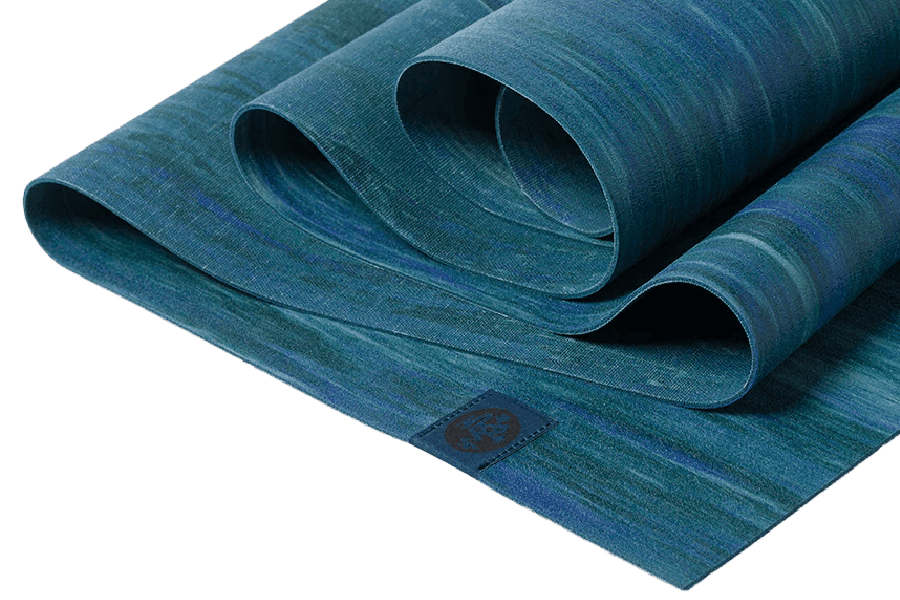
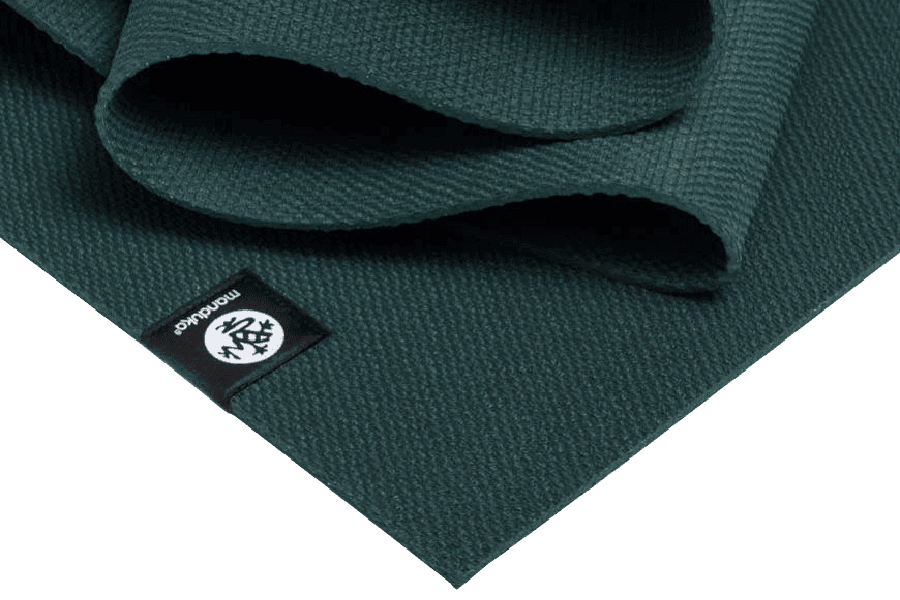
Two Manduka mats at the cheap end of the line, both 71 by 24 inches, $18 apart. That is where the similarity stops. The eKO Superlite is 1.5 mm of natural rubber that folds into a square small enough for a carry-on. The X is 5 mm of TPE built for gym floors as much as yoga studios. Almost nobody should be choosing between these on price, because they do genuinely different jobs.
As an Amazon Associate, we earn from qualifying purchases made through links on this page. How this works
The quick answer
The X is the one to buy if you only own one mat. At 5 mm the X gives you real cushion under knees and elbows, holds up to jumping and kneeling work, and is safe with a latex allergy. At 1.5 mm the Superlite gives you almost none: OutdoorGearLab scored its comfort 2 out of 10 and said it works better as a topper than a mat.
Buy the X if this is the only mat you own. Buy the Superlite if you already have a mat and want something that folds flat in a bag, or if you practice on carpet and hotel-room floors where padding is already there.
Get the eKO Superlite if...
- You need a mat that folds into a suitcase, not a roll
- You already own a full-thickness mat at home
- You want natural rubber grip rather than TPE
- You want the lighter carry at 2.2 pounds against 3.4
Get the Manduka X if...
- This is your only mat and you need actual cushion
- You do weights, HIIT, or floor work as well as yoga
- You have a latex allergy; the Superlite is natural rubber
- You want a mat that survives being dragged around a gym
Side by side
Price
The Superlite lists for $18 less.
$54
List price · check price at Amazon
$72
List price · check price at Amazon
Thickness
The X is 233% thicker.
1.5 mm0.06″
5 mm0.2″
Weight
The Superlite is 1.2 lbs lighter.
2.2 lbs1 kg
3.4 lbs1.5 kg
Size
Same length; same width.
Same on both
- Identical 71″ × 24″ footprint
- Closed-cell surfaces, so sweat sits on top rather than soaking in
- 30 day returns and no warranty from Manduka on either
- Both sold on Amazon and manduka.com
Full specs
Dimensions
Materials & build
Buying
Two cheap Manduka mats doing unrelated jobs
Same brand, same 71″ × 24″ footprint, $18 apart. That is enough for them to sit next to each other in a shortlist, and it hides the fact that Manduka built them for different rooms.
The eKO Superlite is 1.5 mm of natural rubber that folds into a square and goes in a suitcase. The Manduka X is 5 mm of TPE, textured on both faces, sold as a hybrid fitness mat for people who do weights and floor work as well as yoga.
If you only own one mat, this is not a close call, and the rest of this page explains why.
One of these has cushion and the other has none
1.5 mm is thinner than most yoga towels. OutdoorGearLab scored the Superlite 2 out of 10 for comfort and support and wrote that it should operate more like a mat topper than a mat, which is a fair description rather than a criticism.
The X is 5 mm of dense TPE and behaves like a normal mat: kneeling is fine, elbows on the floor are fine, jumping is fine. On carpet the Superlite is perfectly usable. On hardwood, tile, or concrete you will be folding a towel under your knees inside a week.
Rubber grips better than TPE, at both ends
GearLab rated the Superlite 7.5 out of 10 for dry grip and put excellent dry grip in its pros, which is what natural rubber does. Its wet score was 5, so it is not a mat for a heated room either.
The X’s textured TPE is competent with dry hands and lets go sooner once your palms are damp. That is true of TPE across the category and is the trade you accept for a mat that is latex-safe and genuinely hard to damage.
Neither of these is a grip specialist. If traction is the reason you are shopping, both of these are the wrong mats and a rubber mat at full thickness is the right one.
The Superlite folds, and that is its whole argument
It folds flat rather than rolling, down to roughly the footprint of a folded shirt and a couple of inches deep, and it weighs 2.2 pounds. Nothing else in Manduka’s line packs like that. It sits in a carry-on next to your clothes and you stop thinking about it.
Fold lines show when you first open it and mostly relax within a session or two, faster in a warm room. Roll it instead of folding it when it is at home and they stay away.
The X rolls, does not fold well, and at 3.4 pounds is a normal mat to carry rather than a packable one.
What the X is actually built to do
Manduka calls it a hybrid fitness mat and the design follows through: texture on both sides so it works either way up, dense TPE that takes shoes and dumbbells without denting, and enough thickness to do sit-ups and planks on without a second mat.
If your week is three yoga sessions and two strength sessions on the same piece of foam, that is exactly the mat’s purpose and it does it well. For yoga alone, $72 buys better surfaces elsewhere, including from Manduka.
Worth comparing against the Manduka Begin, which is the cheaper TPE mat in the same line with an alignment stripe and less durability.
Latex allergies settle this instantly
The X is TPE with no natural rubber in it, so it is safe. The eKO Superlite is tapped tree rubber and is not, and Manduka does not claim otherwise.
This is the reason Manduka keeps a TPE mat in a line otherwise built on rubber, and if it applies to you it overrides everything else on this page.
Which one wears out first
The X, comfortably later. There is simply more material, and TPE resists abrasion well, which is why it survives being dragged around a gym. Thin rubber like the Superlite’s thins further at the hands and feet after a year or two of regular use.
That is a fair outcome for a $54 travel mat and a poor one for a daily driver. Manduka gives both a 30 day return window and no warranty, so neither is covered against wearing out.
Care is easy on both. Closed-cell surfaces mean sweat sits on top and wipes off; the Superlite’s rubber additionally wants to stay out of hot cars and direct sun.
Prices, colors, and sizes
List is $54 for the Superlite and $72 for the X. Check the current Superlite price at Amazon and the current X price at Amazon; both discount regularly, and Manduka runs deeper cuts on colorways it is clearing.
The Superlite comes in around nineteen colorways and a 79″ Long version. The X comes in seven colors and one size.
Bottom line
Get the Manduka X if this is your only mat, if you train as well as practice, or if latex is a problem. It is the more useful object by a distance and $18 is not a lot to pay for 3.5 mm of cushion you will use every session.
Get the eKO Superlite as a second mat: for travel, for hotel rooms and carpeted spare rooms, or to lay over a studio rental mat you do not trust. If you want a travel mat with some cushion left in it, the thin rubber mats are worth comparing directly before you commit.
Manduka X
List price $72
Frequently Asked Questions
- Can I use the eKO Superlite as my only mat?
- Only on a forgiving floor. At 1.5 mm there is essentially nothing between your kneecap and the ground, and OutdoorGearLab rated its comfort 2 out of 10 and described it as working more like a mat topper. On carpet or over a rug it is fine. On hardwood, tile, or concrete you will be folding a towel under your knees within a week, at which point the X was the better purchase.
- Which one grips better?
- The Superlite, dry. GearLab rated its dry grip 7.5 out of 10 and put excellent dry grip in its pros, which is what you would expect from natural rubber. The X's textured TPE is decent dry and gives up sooner once your hands are damp; GearLab rated the Superlite 5 out of 10 wet, so neither of these is a wet-hands mat. If grip is the whole reason you are shopping, both are compromises.
- Is the Manduka X actually a yoga mat?
- It works as one, and it was designed for more. Manduka sells it as a hybrid fitness mat: 5 mm of dense TPE, textured on both sides, meant to take shoes, weights, and jumping as well as a vinyasa flow. If your week is three yoga sessions and two strength sessions on the same mat, that is what it is for. For yoga alone, the same $72 buys mats with better surfaces.
- Which is safe with a latex allergy?
- The X. It is TPE with no natural rubber in it. The eKO Superlite is tapped tree rubber and is not safe with a genuine allergy. This is the one factor that overrides everything else on this page, and it is why Manduka keeps a TPE mat in the line at all.
- How small does the Superlite actually fold?
- Small enough to sit flat in a carry-on, roughly the footprint of a folded shirt and about two inches deep. It is the reason the mat exists. The X rolls, does not fold well, and at 3.4 pounds is a normal mat to carry rather than a travel one. If packing is the requirement, nothing in Manduka's line beats the Superlite.
- Do folds and creases stay in the Superlite?
- For a while. Fold lines show when you first unroll it and mostly relax within a session or two, faster in a warm room. Thin rubber mats all behave this way. If permanent creases would bother you, roll it instead of folding when it is at home.
- Which lasts longer?
- The X, by a clear margin, because there is simply more material and TPE resists abrasion well. Neither carries a warranty; Manduka gives both a 30 day return window. The Superlite's thin rubber will thin further at the hands and feet after a year or two of regular use, which is a fair outcome for a $54 travel mat and a poor one for a daily driver.
Related comparisons
- Manduka X vs Gaiam Performance Dry-Grip 5mm
- Manduka eKO Superlite vs JadeYoga Voyager
- Manduka X vs Gaiam Performance Dry-Grip Long & Wide
- Manduka X vs IUGA Eco Friendly Non Slip PU
- Manduka X vs Hugger Mugger Earth Elements 5mm
- Manduka X vs JadeYoga Level One
- Manduka X vs 42 Birds The Robin
- Manduka X vs JadeYoga Travel 68"
- Manduka X vs Suga SugaMat