Jade Fusion 74 vs Lululemon The Mat: Which One Should You Buy?
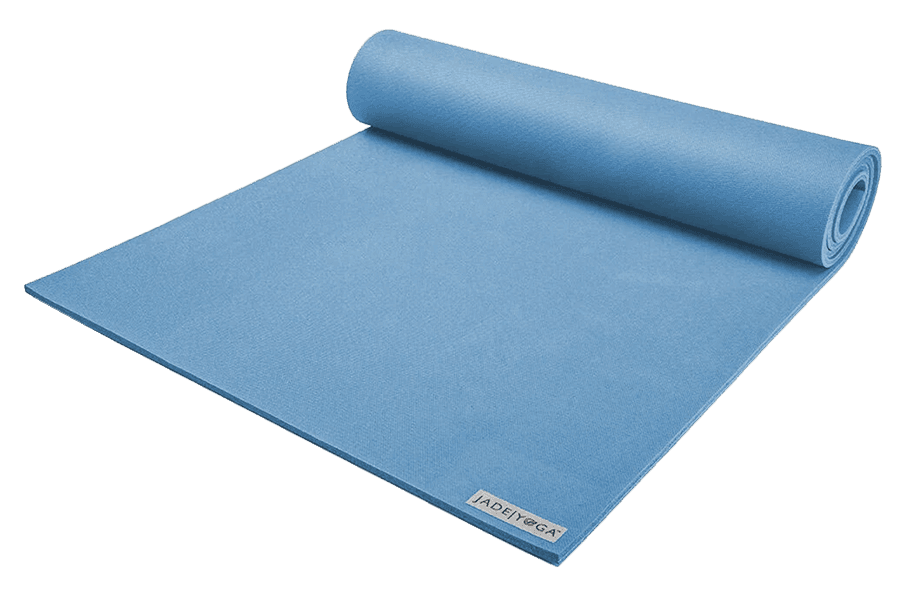
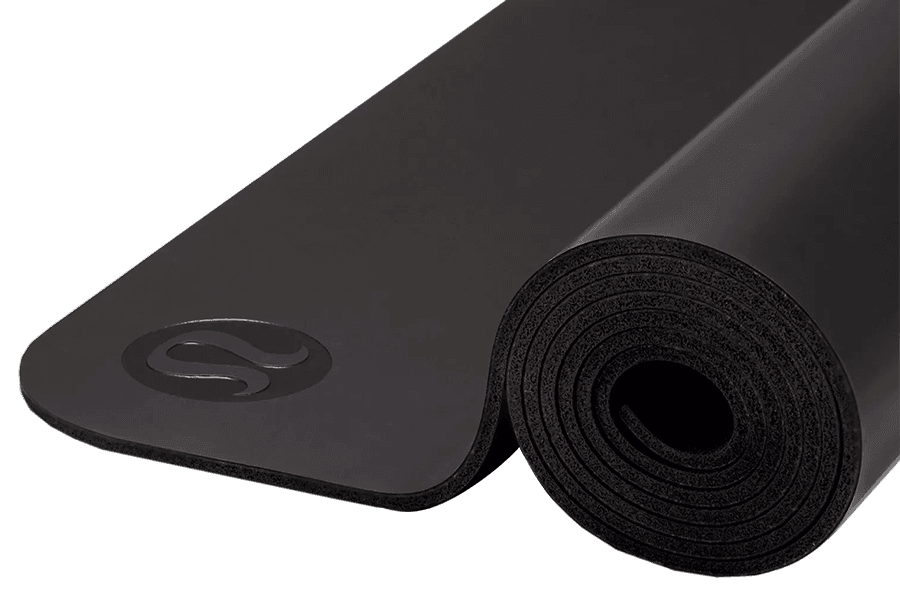
The Jade Fusion 74 is the thickest mat we cover: 8 mm of open-cell natural rubber, nearly nine pounds, $199.95. Lululemon's The Mat is 5 mm, 5.2 pounds and $118. The Fusion is asking you to pay $82 and carry three and a half extra pounds in exchange for joint protection, which is a good trade for some people and a bad one for most.
As an Amazon Associate, we earn from qualifying purchases made through links on this page. How this works
The quick answer
If knees, wrists or hips are the reason you are shopping, the Fusion is the mat, and nothing else in the mainstream market goes this thick in dense rubber. It also grips from the first unroll and takes sweat into the mat rather than onto a coating. The costs are real: 8.8 pounds, 24 inches of width, and $199.95. The Mat is wider, far lighter, cheaper, and GearLab still gave it a perfect 10 for comfort and support.
Buy the Fusion for joints. Buy The Mat for everything else.
Get the Fusion if...
- Sore knees, wrists or hips are why you're shopping
- You do pilates or long kneeling sequences
- You want grip from the first practice
- The mat stays in one room
Get The Mat if...
- You want the wider mat at 26 inches
- You carry your mat to class
- You'd rather keep $82
- You want top-of-field cushioning without the weight
Side by side
Price
The Mat lists for about $82 less.
$199.95
List price · check price at Amazon
$118
List price · check price at lululemon.com
Thickness
The Fusion 74" is 60% thicker.
8 mm0.31″
5 mm0.2″
Weight
The Mat is 3.6 lbs lighter.
8.8 lbs4 kg
5.2 lbs2.4 kg
Size
The Fusion 74" is 3″ longer; the Mat is 2″ wider.
Same on both
- Natural rubber in the build
- Absorb sweat rather than beading it
- Grip without a break-in period
- Wipe clean, never machine wash
Full specs
Dimensions
Materials & build
Buying
The thickest mat we cover against the popular one
The Jade Fusion 74 is 8 mm of open-cell natural rubber made in the USA, 74″ × 24″, 8.8 pounds, $199.95. Lululemon’s The Mat is 5 mm, 71″ × 26″, 5.2 pounds, $118.
Eighty-two dollars and three and a half pounds separate them, and the Fusion is asking you to pay both for joint protection. If your knees, wrists or hips are the reason you are reading this, that is a reasonable trade. If they are not, it is a lot of mat.
Eight millimeters is a different category
Nothing else in the mainstream market goes this thick in dense rubber. The Fusion is what people buy for kneeling sequences, pilates work, and practices that got harder after an injury. It is not soft: 8 mm of natural rubber is firm and supportive rather than squashy, which is the difference between it and a thick foam mat.
The Mat is 5 mm and GearLab still scored its comfort and support a perfect 10, level with the Manduka PRO at the top of a 19-mat field. That tells you 5 mm is enough for most people. The Fusion is for the ones it is not enough for.
The Fusion is narrow, and that surprises people
For all its thickness the Fusion is 24 inches wide, the older standard, against 26 for The Mat. Buying the thickest mat available and finding a hand off the edge in a wide stance is a common complaint, and worth checking before you spend $200.
Jade’s answer is the 80″ × 28″ Fusion XW, which fixes the width and costs more again. Lululemon’s answer at the other end is The (Big) Mat at 84″ × 28″ for $128.
Grip: rubber tack against an absorbent coating
The Fusion grips on contact with no break-in, and being open-cell it pulls sweat into the mat rather than letting it pool. Wirecutter has credited that construction on the Harmony for its traction in sweaty sessions, and the Fusion is the same rubber in a thicker slab.
The Mat absorbs through its polyurethane coating and gets tackier as a class warms up, from a lower starting point: GearLab rated it 6.5 out of 10 dry and 4.5 wet, mid-pack. Its textured rubber underside is offered as the drier alternative, though most owners pick a face in the first week and stay there.
Nearly nine pounds
The Fusion 74 weighs 8.8 pounds, more than the Manduka PRO and more than the Alo Warrior, which was the heaviest mat in GearLab’s 19-mat test group. It is a mat you install in a room. Carrying it to a studio twice a week is something people try once.
The Mat is 5.2 pounds, and GearLab’s scale read 5.9. That is carryable, if not light. If you want Jade’s rubber in something portable, the 68 inch Fusion is 8 pounds and the 4.8 pound Harmony is the sensible alternative.
Care, smell and allergies
Open-cell rubber takes sweat into the mat, so it needs air time after a hot class, and Jade asks you to avoid harsh cleaners because they attack the rubber. New Fusions smell strongly of rubber for a week or two. Jade’s mats are 99% latex free rather than latex free, so they are not safe with a latex allergy.
The Mat wants a light wipe and real drying rather than a soaking, and GearLab scored it 7 out of 10 for care and cleaning. Its known weak point is the polyurethane face, which owners report going patchy at the hands and feet after a year or two of daily practice.
Who actually needs 8 mm
The Fusion sells to a narrower group than its price suggests: people with knee or wrist problems, people who came back to a practice after an injury, people doing pilates or long kneeling sequences, and teachers who spend hours a day demonstrating on the floor. For all of them the extra three millimeters is the reason the practice is comfortable rather than a luxury.
Everyone else should try 5 mm first. GearLab gave The Mat a perfect 10 for comfort and support at that thickness, which is as high as the scale goes, and most people who think they need a thicker mat actually need a folded blanket under one knee for two poses. That is an $82 saving and three and a half pounds less to carry.
A year against a promise
Jade covers the Fusion for one year, excluding sun damage and harsh cleaners, and plants a tree for every mat sold. Lululemon covers The Mat under its Quality Promise, which has no stated term and is handled case by case.
Neither is coverage you would buy the mat for. The practical difference is that a $200 mat wearing out in three years stings more than a $118 one, and the Fusion has more material to wear through before it does.
Price, colors and where to buy
$199.95 against $118. Jade also sells the 68 inch Fusion at $174.95, which is the version to buy if you are not tall. Check the Fusion at Amazon alongside jadeyoga.com. Lululemon sells only through its own site and stores, and several third-party sources still quote The Mat near $98; the US list is $118.
Color favors Lululemon with 10 colorways at last count against 3 colorways at last count in the 74 inch Fusion.
Bottom line
Buy the Fusion if joints are the reason you are shopping. Eight millimeters of dense rubber is the most protection available in a mat that still grips, and no amount of technique substitutes for it. Accept nine pounds, 24 inches of width, and $200.
Buy The Mat for everything else. It is wider, less than two thirds the weight, $82 cheaper, and its cushioning scored top marks in independent testing. If you want both thickness and width from Jade, the Fusion XW is the version to look at.
Jade Fusion 74"
List price $199.95
Lululemon The Mat 5mm
List price $118
Frequently Asked Questions
- Is 8 mm too thick?
- For balance work, some people find it is. Eight millimeters of dense rubber is firm rather than squashy, so it is more stable than a thick foam mat, but standing balances still feel slightly less connected to the floor than they do on 5 mm. If your reason for buying is joint protection, that is a trade worth making; if it is not, 5 mm is enough for most practices.
- How wide is the Fusion?
- Twenty-four inches, the older standard, against 26 for The Mat. Buying the thickest mat available and then finding a hand off the edge in a wide stance is a common complaint, so check it before spending $199.95. Jade's answer is the 80 by 28 inch Fusion XW, which costs more again.
- How heavy is the Jade Fusion?
- 8.8 pounds in the 74 inch length and 8 pounds in the 68 inch version, which makes it heavier than the Manduka PRO and heavier than the Alo Warrior, the heaviest mat in GearLab's 19-mat lineup. It is a mat you install in a room. The Mat is 5.2 pounds by Lululemon's figure and 5.9 on GearLab's scale.
- Which handles sweat better?
- The Fusion, most of the time. Open-cell rubber takes moisture into the mat rather than letting it sit on top, which Wirecutter credits on the Harmony for traction in sweaty sessions, and the Fusion is the same rubber in a thicker slab. The Mat absorbs through its polyurethane coating from a lower starting point: GearLab rated it 6.5 out of 10 dry and 4.5 wet.
- How much does Lululemon The Mat cost?
- $118 in the US. Several third-party sources still quote it near $98, so ignore prices from anywhere but lululemon.com. Lululemon does not sell through Amazon and the mat rarely discounts. The Jade is on Amazon and jadeyoga.com, with the 68 inch Fusion at $174.95.
- What are the warranties?
- Jade covers the Fusion for one year, excluding sun damage and harsh cleaners, and plants a tree for every mat sold. Lululemon covers The Mat under its Quality Promise, which has no stated term and is judged case by case. Neither is coverage you would buy the mat for, though the Fusion has considerably more material to wear through.
Related comparisons
- JadeYoga Harmony 74" vs Lululemon The Mat 5mm
- Manduka PROlite Long vs Lululemon The Mat 5mm
- Lululemon The Mat 5mm vs JadeYoga Harmony 2.0 68"
- Manduka PROlite vs Lululemon The Mat 5mm
- Lululemon The Mat 5mm vs Manduka GRP Adapt 2.0
- Lululemon The Mat 5mm vs Manduka eKO
- Lululemon The Mat 5mm vs b, halfmoon B Mat Everyday 4mm
- Lululemon The Mat 5mm vs Manduka PRO Lite Terra 4.7mm
- Lululemon The Mat 5mm vs Yoga Design Lab Combo 3.5mm